

Dodge B2500 Engine Coolant Temperature Sensor Guide (1995-1998)
Is your van running rough or getting bad gas mileage? The engine coolant temp sensor might be the problem.
- A bad ECT sensor will cause poor fuel economy, rough running, and a Check Engine Light.
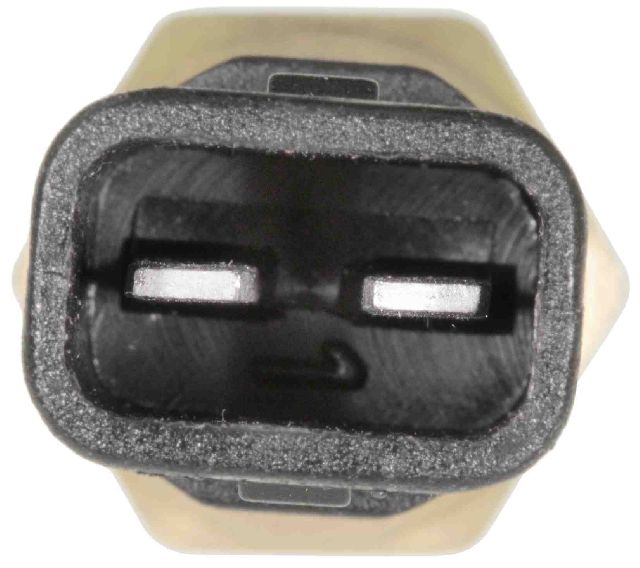
- Some 1995-97 vans have two sensors; a two-wire version for the computer and a one-wire for the gauge. Identify the correct one before buying.
- Replacement is DIY-friendly, but the sensor can be hard to reach behind the alternator.
- Stick with quality brands like Mopar, Delphi, NGK, or Standard Ignition for the best reliability.
Symptoms of a Failing Coolant Temp Sensor
A bad ECT sensor won't usually leave you stranded, but it can cause a lot of frustrating problems. Because the sensor is so important for fuel calculations, a bad signal can make your van run poorly. You might notice one or more of these issues:
- Check Engine Light: This is the most common sign. A scan tool will usually show codes like P0115, P0116, P0117, or P0119.
- Poor Fuel Economy: If the sensor wrongly tells the computer the engine is always cold, the computer will inject too much fuel, wasting gas.
- Rough Idle or Stalling: An incorrect fuel mixture can make the engine idle poorly or even stall, especially after it has warmed up.
- Hard Starting: The engine may be difficult to start, particularly when it's warm, because the fuel mixture is too rich.
- Black Smoke from Exhaust: A rich fuel condition can cause black, sooty smoke to come out of the tailpipe.
- Inaccurate Temperature Gauge: The gauge on your dashboard might not work correctly, either staying on cold or showing erratic readings.
Two Different Sensors
On some 1995-1997 models, there are two separate sensors. One is a two-wire sensor for the engine computer (PCM), and the other is a one-wire sender for the temperature gauge on your dashboard. By 1998, most vans used a single combined sensor. Make sure you are replacing the correct part for the problem you're having. The PCM sensor is the one that affects engine performance.
Choosing the Right Aftermarket Sensor
For a part this critical to engine performance, quality matters. While even the most expensive options are affordable, choosing a reputable brand can save you from future headaches. Cheaper, low-quality sensors are known to fail prematurely or provide inaccurate readings right out of the box.
- Premium Brands (Mopar, Delphi, NGK/NTK, Standard Ignition): Mopar is the original factory part. Delphi is a trusted OEM supplier known for quality. NGK/NTK and Standard Ignition (SMP) are top-tier aftermarket brands that are well-regarded for their sensors. These brands are your best bet for reliability and accurate performance that matches the original part.
- Standard Brands (Four Seasons, Walker Products): These brands offer a balance of value and quality and are a decent choice for a daily driver.
- Economy Brands (Skyward, True Tech, Global Parts): While these are the most budget-friendly options, they may not have the same long-term durability or precise calibration as premium brands. They can be a viable option if the budget is the primary concern.
| Part Tier | Price Range |
|---|---|
| Premium Aftermarket (Delphi, NGK, Standard) | $25 - $66 |
| OEM (Mopar) | $37 - $55 |
| Standard Aftermarket (Four Seasons, Walker) | $15 - $30 |
| Economy Aftermarket (Store Brands) | $7 - $20 |
Installation Tip
The ECT sensor is located on the front of the intake manifold, near the thermostat housing and behind the alternator. It can be tricky to reach. Coolant will leak out when you remove the old sensor, so have the new one ready to screw in quickly to minimize loss. Do not use Teflon tape on the threads, as some sensors need to ground through the threads to work correctly.
Frequently Asked Questions (FAQ)
Can I still drive my van with a bad coolant temp sensor?
Yes, but it's not recommended for long. Your van will run poorly, get bad gas mileage, and could potentially damage other components like the catalytic converter over time. Since the part is inexpensive and the repair is straightforward, it's best to fix it as soon as possible.
Why are there two different temp sensors listed for my van?
Many 1995-1997 Dodge vans have two sensors. One is for the engine computer (ECT Sensor) and has two wires. The other is for the dashboard gauge (Temp Sender) and usually has one wire. If your engine is running poorly, you need to replace the two-wire ECT sensor. If only your gauge is broken, replace the one-wire sender.
Are there any recalls for the coolant temp sensor on my B2500?
No. Searches of the National Highway Traffic Safety Administration (NHTSA) database show no recalls or technical service bulletins (TSBs) specifically for the engine coolant temperature sensor on the 1995-1998 Dodge B2500.
How hard is it to replace the ECT sensor myself?
This is a beginner-level job that can be done with basic hand tools. The main challenge is reaching the sensor, which is located behind the alternator. You'll need an open-end wrench or a deep socket. The whole process should take less than an hour.
Technical Specifications
OEM Part Numbers: 56004815 56027011 5014067AA 4723860
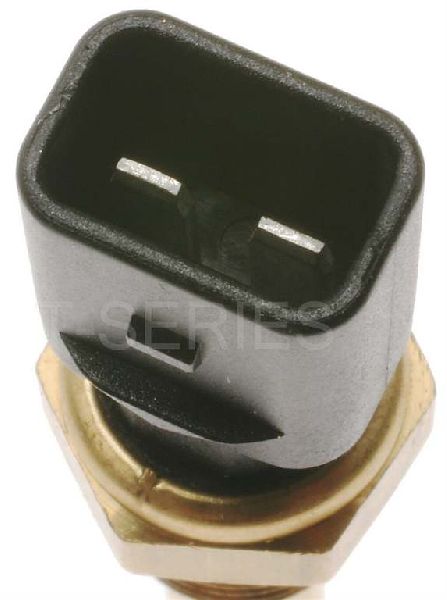
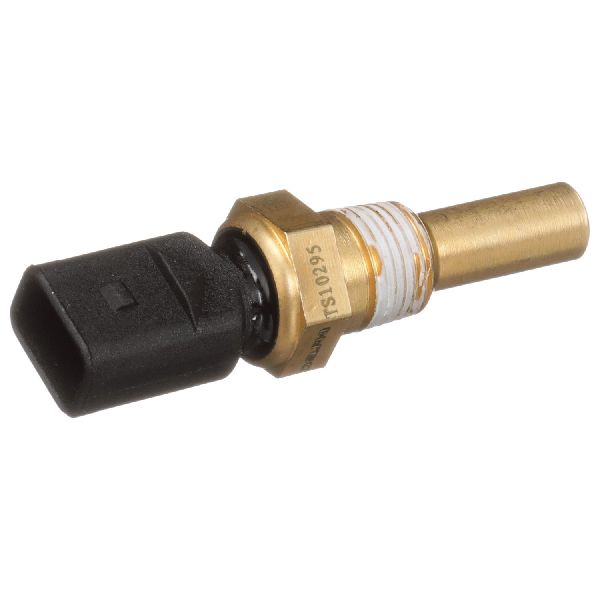
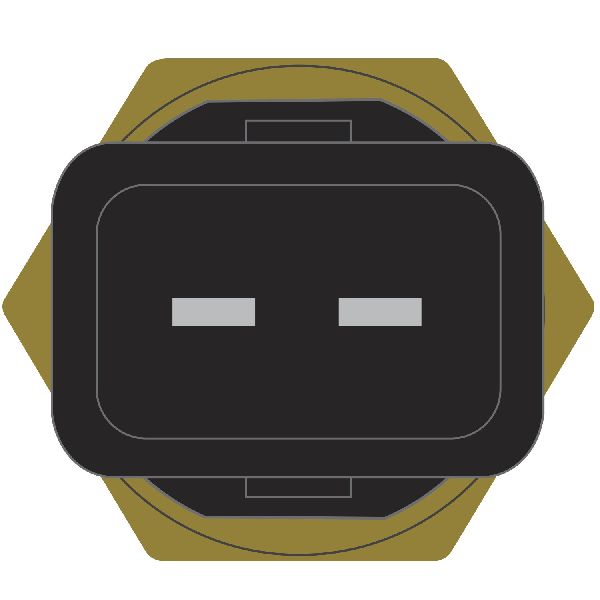
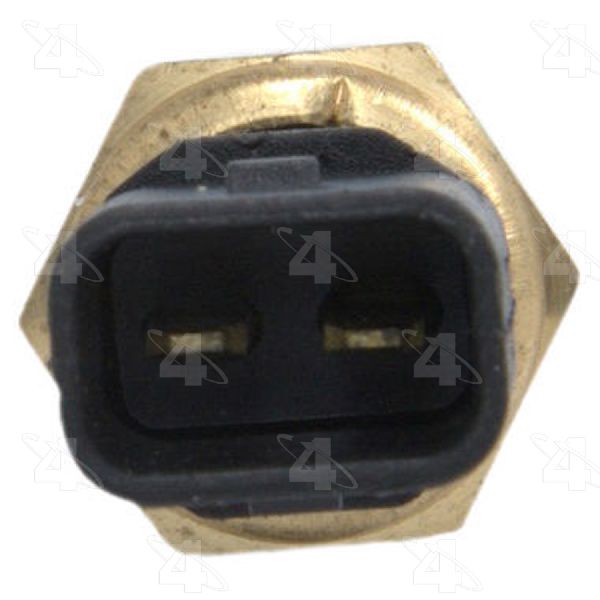
Typically features a 2-pin or 2-blade male plug-in connector. The sensor for the gauge may only have one wire/pin.
We Have This Part in Stock


The information in this article is provided for general reference and educational purposes only. Vehicle specifications, procedures, and part compatibility can vary by production date, trim level, and region. Always consult your vehicle's factory service manual and verify part numbers before purchasing or performing repairs. Safety-critical components such as airbags, seat belts, and braking systems should be installed by a qualified professional.
- Dodge B2500: