

Dodge B2500 Power Steering Pump Guide for 1995-1998 Models
Keep your full-size van easy to handle by understanding its power steering pump.
- The most common failure symptoms are whining noises, stiff steering, and fluid leaks.
- You must use ATF+4 fluid, not standard power steering fluid, as specified in Dodge TSB 19-005-03.
- A special power steering pulley puller/installer tool is required for the replacement.
- Properly bleeding all air from the system after installation is critical to prevent noise and damage to the new pump.
Is Your Power Steering Pump Failing?
A bad power steering pump on a Dodge B2500 van gives clear warning signs. Because this is a heavy vehicle, you will notice the extra effort it takes to steer almost immediately if the pump starts to fail. Ignoring these symptoms can lead to a complete loss of power assist, making the van difficult and potentially unsafe to maneuver, especially at low speeds.
Common Failure Symptoms
- Whining or Groaning Noises: This is the most common sign. You may hear a whining noise that changes pitch with engine RPM and gets louder when you turn the steering wheel. This is often caused by low fluid, air in the system, or internal pump wear.
- Stiff or Slow Steering: The steering wheel feels heavy and hard to turn, particularly in parking lots or at slow speeds. This indicates the pump is not generating enough hydraulic pressure to assist your steering effort.
- Fluid Leaks: You might find reddish fluid puddles under the front of your van. Inspect the pump, hoses, and connections for any signs of wetness or active leaking. The pump itself can leak from its main body or the shaft seal behind the pulley.
- Squealing on Startup: A brief but loud squeal when you first start the engine can point to a failing pump or a slipping serpentine belt that drives it.
Choosing the Right Aftermarket Pump
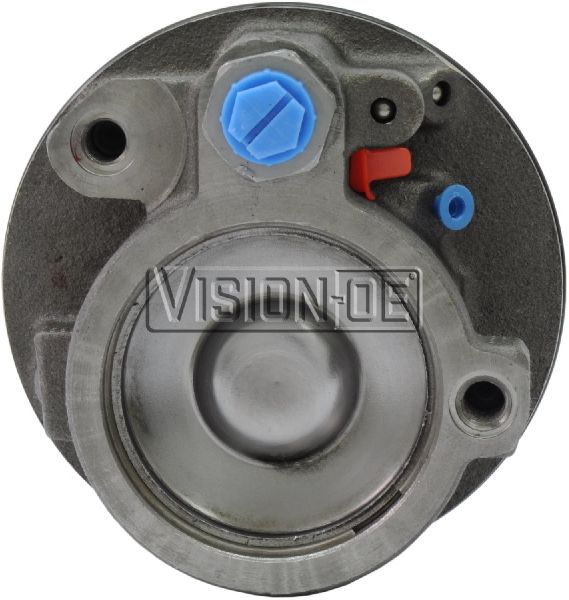
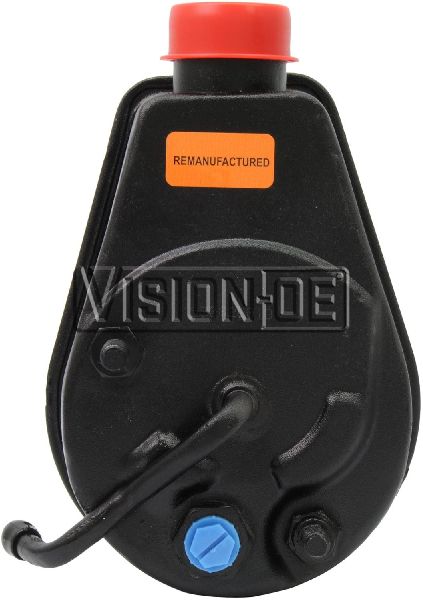
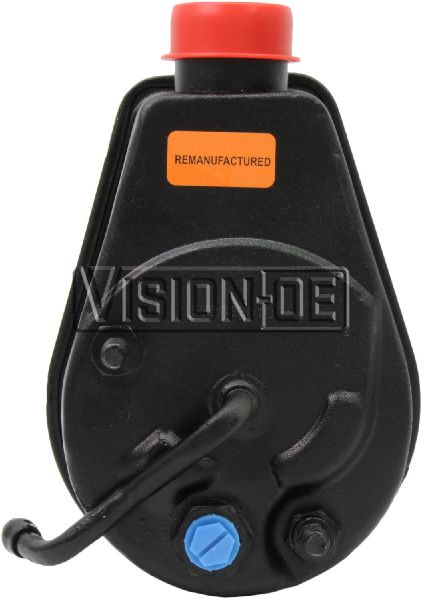
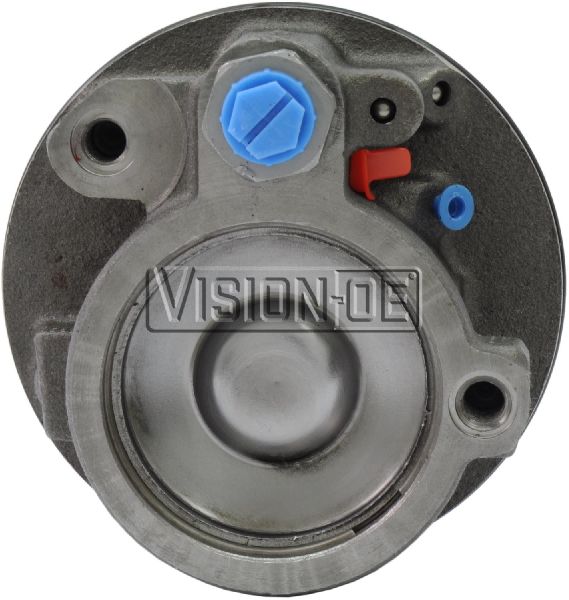
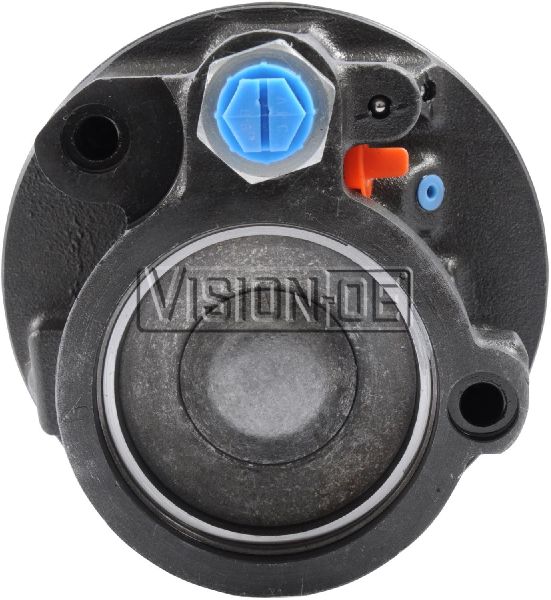
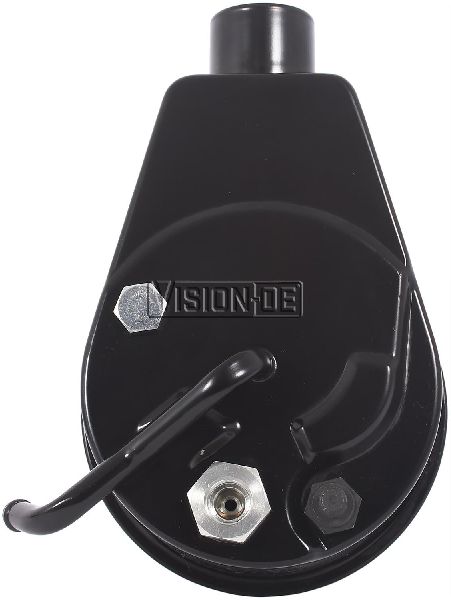
For a 1995-1998 Dodge B2500, new OEM parts are likely unavailable. Your main options are new aftermarket or remanufactured aftermarket pumps. The two most common brands you'll encounter are Cardone and BBB Industries.
| Brand Tier | Brands | Typical Quality & Notes |
|---|---|---|
| Remanufactured Aftermarket | Cardone, BBB Industries | This is the most common and affordable option. Quality can be inconsistent. Some users report success with these brands, while others have experienced premature failures or received defective parts out of the box. Cardone is known for reverse-engineering parts to fix original design flaws, but real-world results vary. BBB Industries also remanufactures pumps to OE specifications, replacing seals and testing for performance. When choosing a remanufactured pump, a good warranty is important. |
| New Aftermarket | Cardone (Select New), BBB Industries | Some brands offer completely new pumps, not just rebuilt ones. These often cost more but can offer better reliability out of the box compared to remanufactured units. However, even new aftermarket parts can sometimes have quality control issues. |
Pro Tip: Regardless of the brand, flushing the old fluid and properly bleeding the air out of the system after installation is critical. Failure to do so can make a new pump noisy and cause it to fail quickly. Also, inspect the serpentine belt and replace it if it shows signs of wear.
Cost of Replacing a Power Steering Pump on a 1995-1998 Dodge B2500
Here is an estimated breakdown of what it might cost to replace the power steering pump. Labor costs can vary significantly by region and shop.
| Item | Estimated Cost |
|---|---|
| New Aftermarket Pump | $80 - $220 |
| Shop Labor | $150 - $250 |
| Total Estimated Cost | $230 - $470 |
Important TSB Information: Dodge issued Technical Service Bulletin (TSB) 19-005-03, which states that the correct fluid for these systems is Mopar ATF+4. Do not use generic power steering fluid. Using the wrong fluid can cause noise, damage seals, and lead to premature pump failure.
Frequently Asked Questions
Do I need a special tool to replace the pump?
Yes, you will need a specific power steering pulley puller/installer tool. The pulley is press-fit onto the pump shaft. Using a standard jaw puller will likely damage the pulley. These tool sets can often be rented from auto parts stores.
Should I replace the reservoir or hoses at the same time?
It's a good idea to inspect the hoses for cracks, swelling, or leaks. If they are original, replacing them is cheap insurance against future problems. Some aftermarket pumps come with a new reservoir, and it's recommended to use it if provided. Also, check that the reservoir cap is venting properly, as a clogged cap can cause pressure buildup.
What is the difference between a new and a remanufactured pump?
A new pump is made with all-new components. A remanufactured (reman) pump starts with a used OEM core (the main body). It is disassembled, cleaned, inspected, and rebuilt with new seals, O-rings, and any other parts that are out of spec. While remanufacturing can be environmentally friendly and cost-effective, the quality depends heavily on the rebuilder's process.
Why is my new pump whining?
The most common reason for a new pump to whine is air trapped in the system. You must bleed the system properly by turning the steering wheel from lock to lock several times with the engine off, and then again with the engine running, while checking and topping off the fluid level. Using the wrong type of fluid (not ATF+4) can also cause noise.
Technical Specifications
Fluid Type: ATF+4. Pulley is press-fit and requires a special tool for removal and installation. The pump is driven by the engine's serpentine belt.
We Have This Part in Stock

The information in this article is provided for general reference and educational purposes only. Vehicle specifications, procedures, and part compatibility can vary by production date, trim level, and region. Always consult your vehicle's factory service manual and verify part numbers before purchasing or performing repairs. Safety-critical components such as airbags, seat belts, and braking systems should be installed by a qualified professional.
- Dodge B2500: