

Dodge B2500 Radiator Replacement and Upgrade Guide (1995-1998)
Keep your van's engine cool and prevent serious damage by choosing the right replacement radiator.
- The most common failure is a leak from the plastic side tanks cracking or separating from the aluminum core.
- Check for a recall on transmission cooler lines (NHTSA 97V080000) which are connected to the radiator.
- Brands like Spectra and ACDelco offer a good balance of quality and value, while CSF is a premium option and APDI is a budget choice with mixed reviews.
- While replacing the radiator, it is highly recommended to also replace the radiator cap, thermostat, and hoses.
Is Your B2500 Radiator Failing?
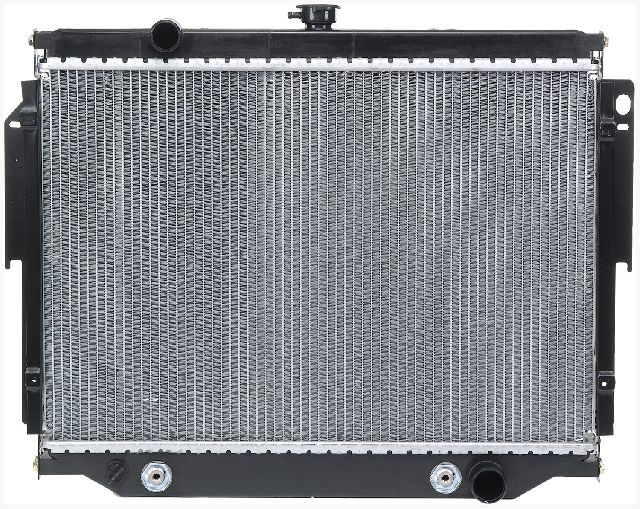
The radiators in 1995-1998 Dodge B2500 vans are typically made with plastic tanks crimped onto an aluminum core. Over many years and heat cycles, the plastic can become brittle and crack, or the seals between the plastic and aluminum can fail. This is the most common source of leaks. Other issues include clogs from old coolant and debris, or physical damage to the fins.
Key Failure Symptoms
- Engine Overheating: The temperature gauge climbing into the red is the most serious sign of a radiator problem.
- Coolant Leaks: You may find puddles of green, pink, or orange fluid under the front of your van. A sweet smell is also a sign of a coolant leak.
- Low Coolant Level: Constantly needing to add coolant to the overflow tank points to a leak somewhere in the system.
- Discolored or Sludgy Coolant: If the coolant in your radiator looks rusty or thick, it can mean the radiator is corroding internally and may be clogged.
Known Issues, Recalls, and Bulletins
While there are no specific recalls for the radiator itself on the 1995-1998 Dodge B2500, there was a significant safety recall concerning the transmission cooler lines. NHTSA campaign 97V080000 notes that on some 1996-1997 B-series vans, the transmission cooler line connectors could fail under high heat. This could cause the line to detach and spray flammable transmission fluid onto the hot exhaust. Since the transmission cooler is integrated into the radiator, this is an important issue to be aware of during replacement. Ensure the new cooler line connectors are secure.
Choosing the Right Aftermarket Radiator
For a workhorse van like the B2500, you don't want to take chances with engine cooling. While an OEM Mopar radiator was good quality, they can be hard to find and expensive now. Aftermarket parts offer a wide range of quality and price. Here’s a breakdown of the available brands.
Brand Quality Tiers
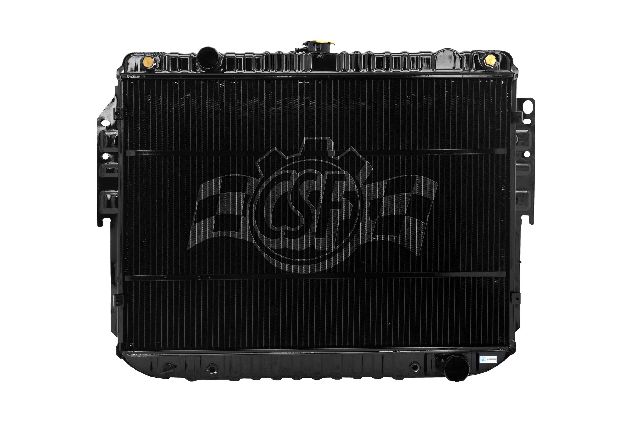
- Premium Aftermarket (CSF Radiator): CSF is often presented as a high-quality aftermarket option, sometimes claimed to be better than OEM. They emphasize robust testing, quality materials like high-grade plastic tanks, and direct-fit installation. However, some users have reported long-term durability issues with leaks developing in the core after a couple of years.
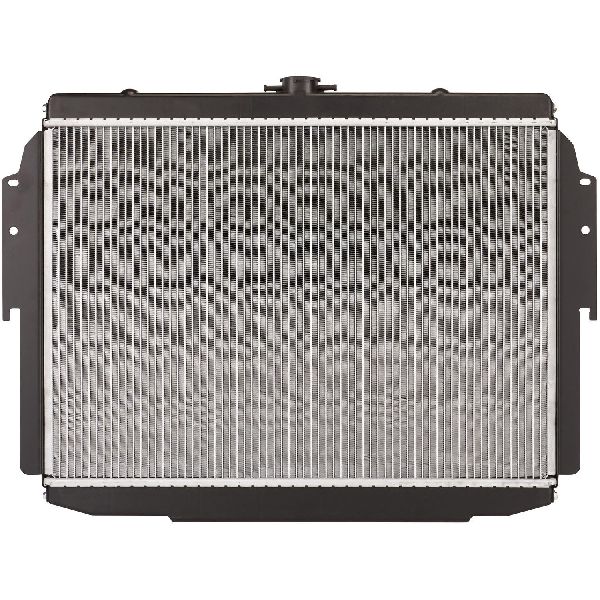
- Standard/OEM-Equivalent (ACDelco, Spectra): ACDelco is GM's official parts brand, but they also produce parts for other makes. They are generally considered a reliable, OE-quality choice. Spectra is a very common aftermarket brand that many users have had success with, viewing it as a good balance of price and performance. Some note that the materials can feel lighter or cheaper than the original, but they generally fit and work correctly.
- Economy (APDI, One Stop Solutions): APDI is a budget-focused brand. Reviews are mixed, with some users reporting significant fitment issues, particularly with transmission line fittings that cause leaks. Others have used them without major problems, but they are generally considered a lower-tier option. One Stop Solutions is likely a private-label economy brand, and with no specific reviews available, it should be considered in this same tier.
| Part Type | Estimated Cost |
|---|---|
| New Aftermarket Radiator | $120 - $250 |
| Shop Labor | $200 - $350 |
| Total Estimated Cost | $320 - $600 |
Frequently Asked Questions (FAQ)
Can I upgrade my radiator?
Yes. Some aftermarket companies offer all-aluminum radiators or radiators with more rows (e.g., 3-row or 4-row) for improved cooling capacity. This can be a good investment if you frequently tow heavy loads or live in a very hot climate. Just ensure it is a direct-fit design to avoid installation problems.
How difficult is it to replace the radiator myself?
For a DIY mechanic with some experience, this is a manageable job. It involves draining the cooling system, removing the fan shroud, disconnecting hoses and transmission cooler lines, and unbolting the radiator. Access can be tight, but no highly specialized tools are required. The estimated time is 2-4 hours.
Do I need to replace my transmission cooler lines at the same time?
It's a good idea to inspect them carefully for rust, corrosion, or damage, especially at the connectors. Given the recall for this generation of van, ensuring the connections are solid is critical for safety. If the lines look worn, replacing them is a smart preventative measure.
What type of coolant should I use in my B2500?
For this era of Dodge vehicle, a traditional green or a universal yellow/gold IAT (Inorganic Additive Technology) coolant is typically specified. Always mix it 50/50 with distilled water. Using the wrong type of coolant can lead to corrosion and clogs.
Technical Specifications
OEM Part Numbers: 52030191AC
Core Material: Aluminum, Tank Material: Plastic. Includes integrated transmission fluid cooler. Verify core dimensions and inlet/outlet positions before ordering.
We Have This Part in Stock


The information in this article is provided for general reference and educational purposes only. Vehicle specifications, procedures, and part compatibility can vary by production date, trim level, and region. Always consult your vehicle's factory service manual and verify part numbers before purchasing or performing repairs. Safety-critical components such as airbags, seat belts, and braking systems should be installed by a qualified professional.
- Dodge B2500: