

A Guide to Replacing Fuel Injectors on the 1995-1998 Dodge B3500
Keep your Magnum V8 running strong by understanding how to spot and replace failing fuel injectors.
- Symptoms of failure often include a rough idle, misfire codes (P030X), power loss, and a fuel smell.
- No specific recalls or TSBs for gasoline fuel injectors exist for this van; issues are typically from age and wear.
- Replacing all eight injectors at once is highly recommended to ensure balanced engine performance and prevent repeat repairs.
- Choose a reputable new aftermarket brand like Standard Ignition over remanufactured parts to avoid premature failure and redoing the job.
Is Your Van Running Rough? It Could Be the Fuel Injectors
If your Dodge B3500 has a rough idle, hesitates when you accelerate, or is suddenly getting poor gas mileage, a failing fuel injector might be the cause. Over time, injectors can get clogged with fuel deposits or simply wear out. This can lead to either not enough fuel (a lean condition) or too much fuel (a rich condition) entering the engine, throwing off its performance.
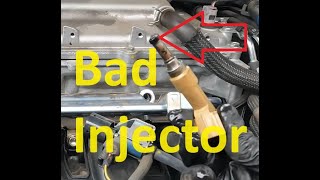
🎬 Watch: How to identify symptoms and test for a failed injectorNo Major Recalls Found for Your Van
Our research of the National Highway Traffic Safety Administration (NHTSA) database found no fuel injector recalls or technical service bulletins (TSBs) specifically for the 1995-1998 Dodge B3500 with gasoline engines. Many search results show recalls for diesel Ram trucks, but these do not apply to your gasoline-powered van.
Choosing the Right Aftermarket Injector
When shopping for new fuel injectors, you have options. For an older vehicle like this B3500, you don't necessarily need to pay top dollar for dealership parts. However, choosing a quality aftermarket part is critical to avoid doing the job twice.
- Premium Aftermarket (e.g., Standard Ignition): Brands like Standard Motor Products (SMP) are well-known in the industry for producing parts that meet or exceed OEM specifications. They are a reliable choice for a balance of quality and cost. While quality control issues can happen with any brand, they are generally a safe bet.
- Value Aftermarket (e.g., 'Replacement' brand): These are typically the most affordable new parts. Quality can be a mixed bag. For a part like a fuel injector, which requires a few hours to install, saving a few dollars on a lesser-known brand might not be worth the risk if it fails early.
- Remanufactured (e.g., GBR Fuel Injection): Remanufactured injectors are original parts that have been cleaned and rebuilt. While some have success with them, multiple owner reports show a high rate of failure for GBR injectors, with some being non-functional right out of the box or failing within a few months. Given the labor involved, installing remanufactured injectors on this van is a significant gamble.
Pro Tip: Replace as a Set
If one injector has failed due to age and mileage, the others are likely not far behind. To ensure a balanced engine and avoid future repeat repairs, it is highly recommended to replace all eight fuel injectors at the same time.
Cost of Replacing Fuel Injectors on a 1995-1998 Dodge B3500
| Item | Estimated Cost |
|---|---|
| New Aftermarket Injector (Single) | $42 - $118 |
| New OEM Injector (Single) | $150 - $250+ |
| Shop Labor for Replacement (All 8) | $300 - $500 |
Costs are estimates and will vary based on your location, the parts brand you choose, and the specific rates of your auto shop.
Frequently Asked Questions
Is this a job I can do myself?
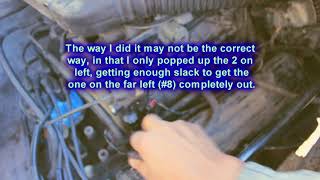
For a mechanic with moderate experience, yes. The process involves relieving fuel pressure, removing the air intake and engine cover (doghouse), disconnecting the fuel rail, and swapping the injectors. It requires care and cleanliness, but special tools are generally not needed beyond a standard mechanic's toolkit. The main challenge is working in the tight space of the van's engine compartment.
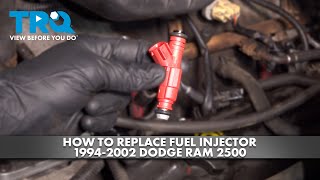
🎬 See this step-by-step walkthrough for replacing injectors in a Dodge vanShould I replace just the one bad injector?
It's not recommended. Fuel injectors wear at a similar rate. If one has failed, the others may be weak or clogged. Replacing only one can lead to an imbalanced engine and means you'll likely be repeating the repair for another injector soon. Replacing all eight at once is the best practice.
Do I need to replace the O-rings?
Yes. New fuel injectors will come with new O-rings. These seals are critical for preventing fuel leaks and air leaks. Before installing the new injector, it's important to lubricate the new O-rings with a small amount of clean engine oil to ensure a proper seal and prevent tearing during installation.
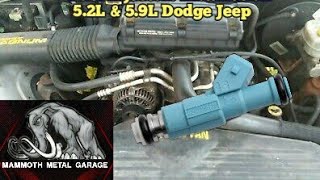
🎬 Watch: Pro tips for installing injectors on Dodge 5.2L/5.9L enginesWhat's the most common mistake when replacing injectors?
Getting dirt into the fuel system or the engine. The fuel rail and injector ports must be cleaned before removing the old injectors to prevent debris from falling into the engine. Cleanliness is critical during this job.
Helpful Videos
Technical Specifications
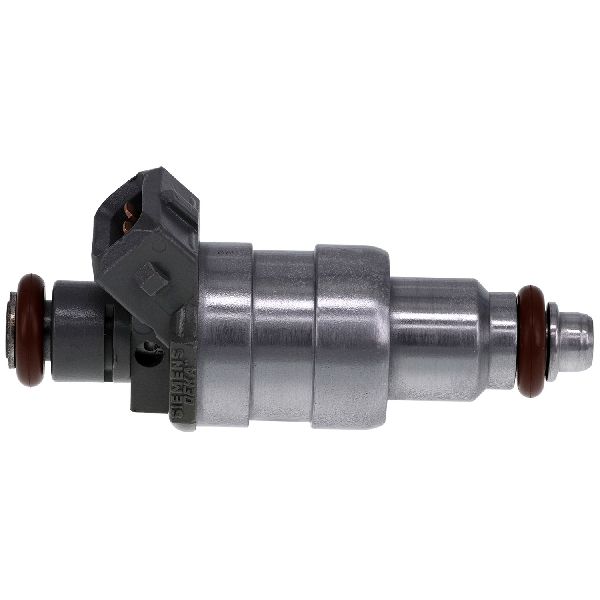
Multi-Port Fuel Injection (MPFI) type. O-ring seals at top and bottom. Electronic connector on top. Specific flow rate for 5.2L or 5.9L Magnum engines.
We Have This Part in Stock


The information in this article is provided for general reference and educational purposes only. Vehicle specifications, procedures, and part compatibility can vary by production date, trim level, and region. Always consult your vehicle's factory service manual and verify part numbers before purchasing or performing repairs. Safety-critical components such as airbags, seat belts, and braking systems should be installed by a qualified professional.
- Dodge B3500: