

Dodge B3500 Oxygen Sensor Guide for 1995-1998 Models
Fix your van's poor fuel economy and rough idle by choosing the right replacement oxygen sensor.
- For this specific vehicle, choose an NTK or Denso brand sensor for best performance and to avoid issues.
- Avoid using Bosch oxygen sensors, as many owners report compatibility problems with Dodge Magnum engines.
- Confirm whether you need an upstream (before converter) or downstream (after converter) sensor before purchasing.
- Replacing a bad O2 sensor promptly can prevent very expensive damage to your catalytic converter.
Is Your B3500 Showing Signs of a Bad O2 Sensor?
A failing oxygen sensor won't leave you stranded, but it will cause noticeable problems. Your van's computer may receive incorrect data, leading it to dump too much fuel into the engine. Ignoring these signs can lead to more expensive repairs, like a damaged catalytic converter, which is much costlier to replace than a sensor.
Key Symptoms of Failure
- Check Engine Light: This is the most common sign. A code reader will often show codes in the P0130 to P0167 range, pointing to a sensor issue.
- Poor Fuel Economy: If you're stopping for gas more often, a bad O2 sensor is a likely culprit. An incorrect reading often causes the engine to run rich, wasting fuel.
- Rough Idle and Hesitation: An improper air-fuel mixture can make your engine run rough, misfire, or hesitate during acceleration.
- Rotten Egg Smell: A strong sulfur or rotten egg smell from the exhaust indicates that unburned fuel is overwhelming the catalytic converter.
Don't Ignore the Signs
Driving for an extended period with a bad O2 sensor can cause unburned fuel to overheat and destroy your catalytic converter. This turns a relatively inexpensive sensor replacement into a very costly exhaust system repair.
Choosing the Right Aftermarket O2 Sensor
For most parts, brand choice is a matter of preference. For the 1995-1998 Dodge B3500 and its Magnum engine, it's more critical. Forum discussions among Dodge van and truck owners from this era show a strong consensus.
Brand Recommendations for Your Dodge Van
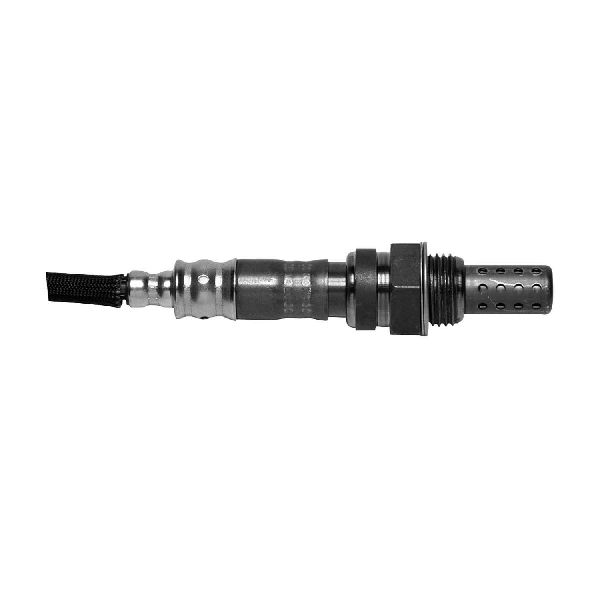
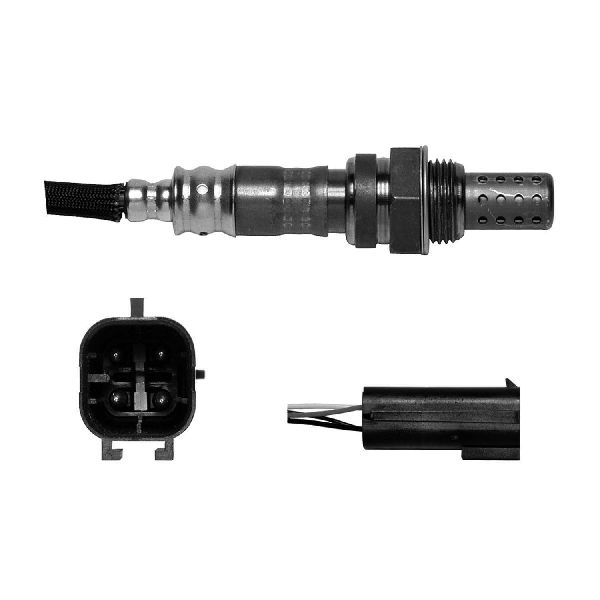
- Tier 1 (Highly Recommended): NTK (also known as NGK) and Denso. These brands are often the original equipment manufacturer (OEM) for Chrysler vehicles of this period. Owners report the best performance and reliability with these sensors. They respond correctly to the engine computer's demands.
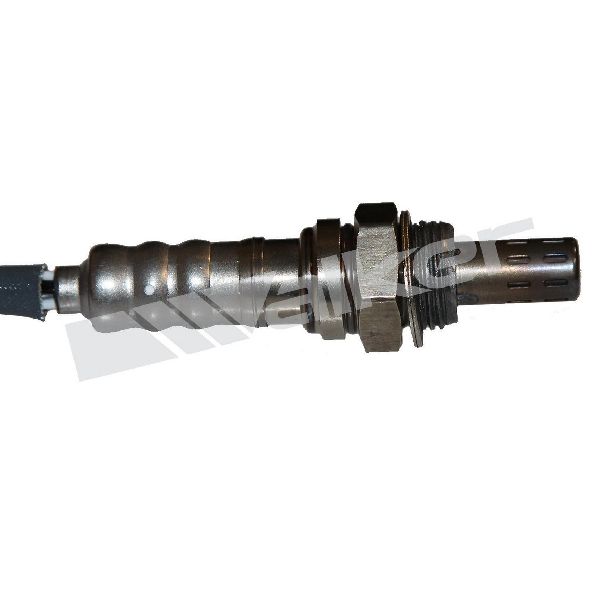
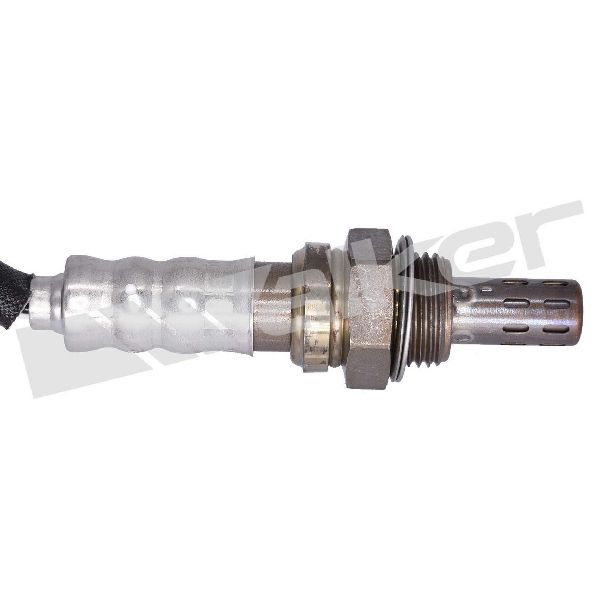
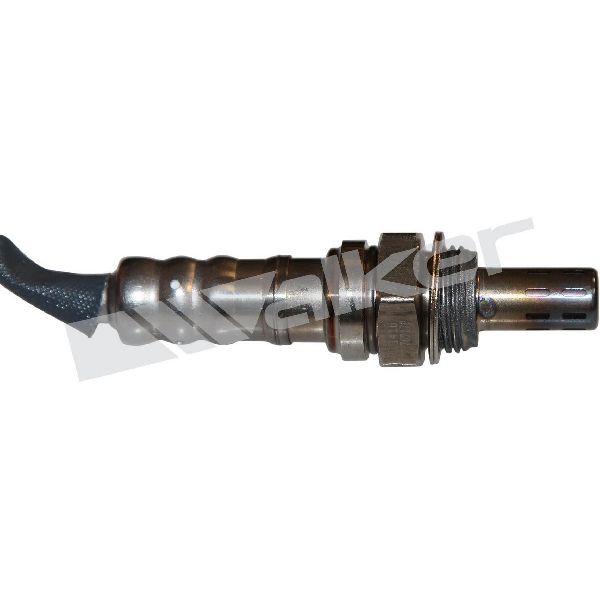
- Tier 2 (Use with Caution): Walker Products, Delphi, Spectra. These brands may work, but they are not as consistently recommended as NTK or Denso. For a downstream sensor (which only monitors the catalytic converter), they are likely fine.
- Tier 3 (Not Recommended for this Vehicle): Bosch. While Bosch is a major sensor manufacturer that invented the O2 sensor, many Dodge owners report problems when using their sensors on Magnum engines. Issues include incorrect warm-up times that cause cold-start problems, check engine lights, and poor performance. It is best to avoid them for this specific application.
Upstream vs. Downstream Sensors
Your B3500 has at least two oxygen sensors. It's crucial to order the correct one.
- Upstream Sensor (Sensor 1): Located in the exhaust before the catalytic converter. This sensor is critical for adjusting the air-fuel mixture and directly affects engine performance and fuel economy.
- Downstream Sensor (Sensor 2): Located after the catalytic converter. Its main job is to monitor the converter's efficiency. A failure here will trigger a check engine light but won't typically affect how the engine runs.
Replacement Cost
| Part Type | Estimated Cost |
|---|---|
| New Aftermarket Sensor | $34.30 - $87.32 |
| New OEM-Brand Sensor (NTK/Denso) | $55 - $140 |
| Shop Labor | $50 - $120 per sensor |
Frequently Asked Questions
How many O2 sensors does my 1995-1998 B3500 have?
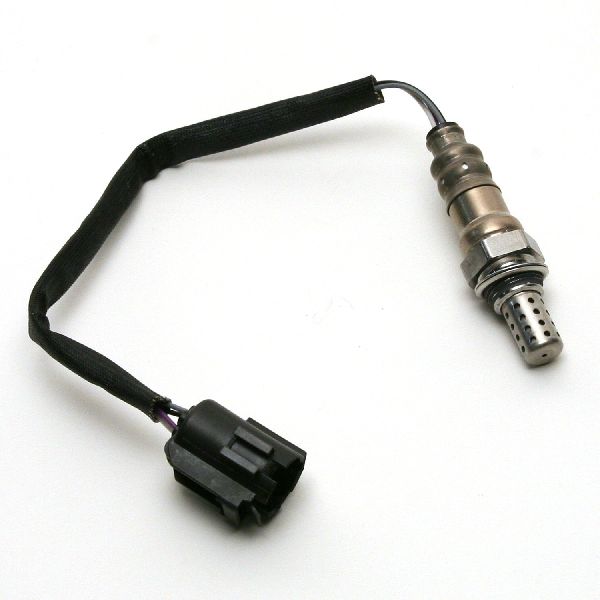
Most B3500 vans from this period have two oxygen sensors: one upstream (before the catalytic converter) and one downstream (after the converter). However, models originally sold in California may have four. Always visually inspect your exhaust to confirm the number and connector type (round or square) before ordering.
Can I just clean my old oxygen sensor?
While some attempt to clean O2 sensors, it is not a reliable long-term fix. Contaminants penetrate the sensor's ceramic element, and surface cleaning is often ineffective. Given the reasonable cost of a new aftermarket sensor, replacement is the recommended and most effective repair.
Should I replace sensors in pairs?
You only need to replace the sensor that has failed. However, oxygen sensors wear out over time and have a similar service life. If one has failed from high mileage, the other may not be far behind. If you are paying for shop labor, it can be cost-effective to replace both at the same time, especially the upstream and downstream sensors on the same bank.
Is replacing an O2 sensor a DIY job?
Yes, this is a very feasible DIY job for most home mechanics. The main challenge is often the old sensor being rusted into the exhaust pipe. Soaking the sensor with penetrating oil for a day beforehand is highly recommended. You will also need a special O2 sensor socket, which has a slot for the wire to pass through.
Technical Specifications
Thread Size: M18-1.5, Hex Size: 7/8 in. (22mm). Most sensors for this model are 4-wire heated types.
We Have This Part in Stock

The information in this article is provided for general reference and educational purposes only. Vehicle specifications, procedures, and part compatibility can vary by production date, trim level, and region. Always consult your vehicle's factory service manual and verify part numbers before purchasing or performing repairs. Safety-critical components such as airbags, seat belts, and braking systems should be installed by a qualified professional.
- Dodge B3500: