

Dodge B3500 Throttle Position Sensor: A Guide for 1995-1998 Models
Solving stalling, surging, and poor acceleration in your 1995-1998 Dodge B3500 starts with understanding the throttle position sensor.
- Symptoms include stalling, surging idle, poor acceleration, and erratic transmission shifting.
- Replacement is very easy, requiring only a Torx driver and less than 30 minutes.
- Check for water leaks from the windshield cowl, a common cause of repeated TPS failure on these vans.
- These vans can be 'fussy' with sensors; choosing a premium aftermarket brand like NGK, Delphi, or Standard may prevent issues.
Is a Failing Throttle Position Sensor Causing Your Van's Problems?
If your 1995-1998 Dodge B3500 has started acting up, a bad throttle position sensor (TPS) is a likely suspect. These sensors are known to be a common failure point on Dodge Magnum engines of this era. Symptoms can appear suddenly and make your van difficult, or even unsafe, to drive. Because the TPS provides critical information for both fuel and transmission control, a bad sensor can cause a wide range of confusing issues.
Known Issue: Water Damage from Cowl Leaks
A very common problem on these Dodge vans and trucks is water leaking from the windshield cowl seal. This water drips directly onto the throttle body and the TPS. If your TPS fails, especially after a rainstorm, inspect the plastic cowl at the base of your windshield for cracks or a poor seal. Applying a new seal or using silicone can prevent repeat failures from water damage. Many owners also pack the new sensor's electrical connector with dielectric grease as an extra layer of protection.
Common Symptoms of a Bad TPS on a B3500
- Stalling and Rough Idle: The engine may idle very high or low, surge up and down, or stall completely when you come to a stop.
- Hesitation and Lack of Power: When you press the gas pedal, the van might hesitate, stumble, or feel like it has no power.
- Sudden Surging or Bucking: The van might suddenly accelerate or jerk while you're driving, even with steady pressure on the gas pedal.
- Erratic Automatic Transmission Shifting: Your transmission may shift at the wrong times, refuse to downshift when you accelerate, or feel jerky between gears.
- Check Engine Light: A failing TPS will often trigger the check engine light and store diagnostic trouble codes, most commonly P0121, P0122, or P0123.
Choosing the Right Aftermarket TPS Brand
Dodge trucks from this era can be picky about their sensors. While an OEM Mopar sensor is always an option, it is often significantly more expensive. Many aftermarket brands offer a good balance of quality and value. Here’s how they generally stack up:
Tier 1: Premium Aftermarket (Highest Confidence)
These brands are often original equipment (OE) suppliers to many car manufacturers and have a strong reputation for quality that meets or exceeds the factory part.
- NGK/NTK: A top-tier OE sensor manufacturer known for precision and durability.
- Delphi: Another major OE supplier with a long history of producing reliable electronic components.
- Standard Ignition (SMP): A long-standing aftermarket leader with a reputation for producing OE-quality parts. Their main line (red box) is generally considered a safe bet.
Tier 2: Standard Aftermarket (Good Value)
These brands are the workhorses of the aftermarket, offering good performance for the price. Quality can sometimes be inconsistent, but they are a popular choice.
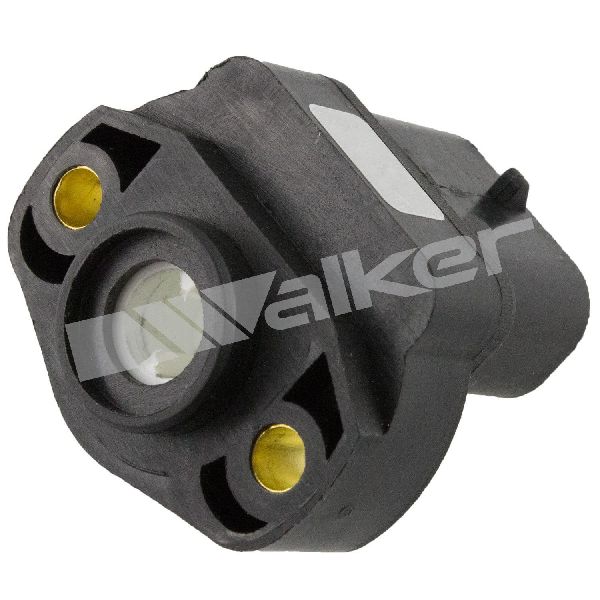
- Walker Products: A well-known aftermarket brand offering a wide range of engine management parts.
- Dorman: Known for making a huge variety of parts, including some improved designs. However, their quality can be hit-or-miss; you might get a great part, or you might get one that fails early.
Tier 3: Economy Brands
Brands like Global Parts, Replacement, and True Tech fall into the budget category. They offer the lowest price, which can be helpful for a quick fix, but their long-term reliability and performance are less certain.
Pro Tip: Installation is Simple
Replacing the TPS is a great DIY job that takes less than 30 minutes. It's held on by two T-25 Torx screws. The most important step is to disconnect the negative battery cable before you start. This not only prevents any electrical shorts but also resets the engine computer. When you reconnect the battery after installing the new sensor, the computer will perform a relearn process to adapt to the new part's readings.
Frequently Asked Questions (FAQ)
Do I need to calibrate or program the new TPS?
No. On the 1995-1998 Dodge B3500, the TPS does not require manual calibration. The computer automatically learns the new sensor's idle and full-throttle positions after you disconnect and reconnect the battery.
Why did my new aftermarket TPS fail so quickly?
There are two common reasons. First, check for water intrusion from a leaky cowl seal, as this is a known issue that destroys these sensors. Second, these Dodge vans can be sensitive, and lower-quality aftermarket sensors may not work correctly or last long. If you have a repeat failure, consider upgrading to a premium brand or checking for underlying wiring or ground issues.
Can I just clean my old TPS?
No. The TPS is a sealed electronic sensor. The part that fails is the internal electrical contacts that wear out over time. Some online articles mention drilling a hole and spraying cleaner inside, but this is a temporary fix at best and will likely lead to complete failure soon after. Replacement is the only reliable solution.
Is an OEM Mopar sensor really better?
Sometimes. While many owners have success with quality aftermarket parts, others report that only a genuine Mopar sensor solved their problems for good. If your van continues to have issues after trying one or two different aftermarket sensors, the higher cost of an OEM part may be worth it to finally fix the issue.
Technical Specifications
OEM Part Numbers: 5017479AA
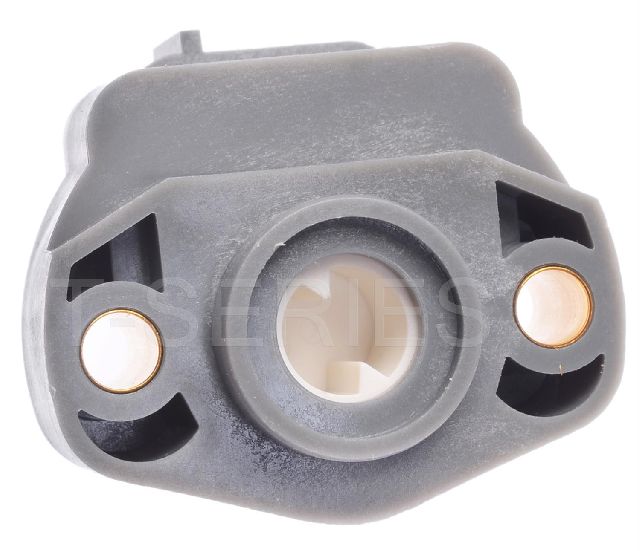
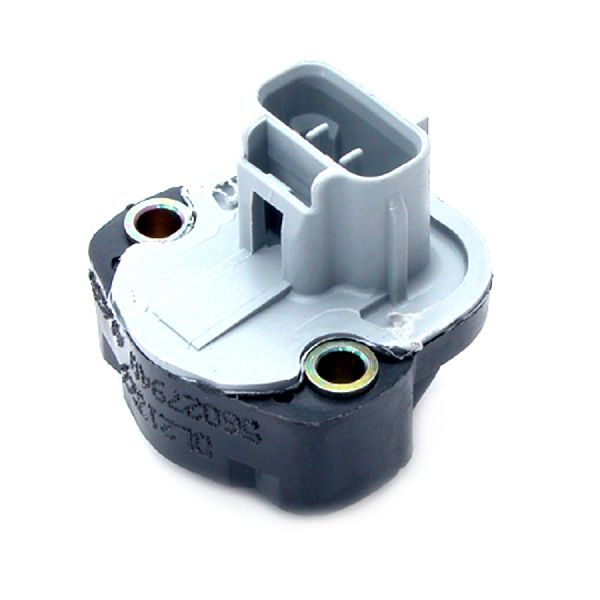
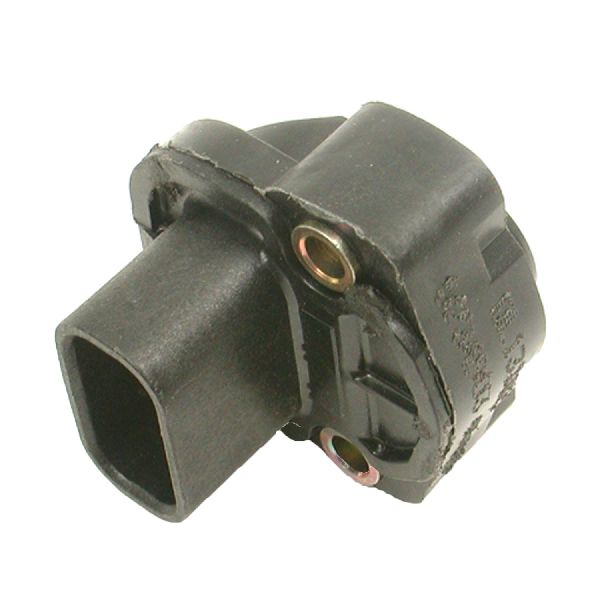
Connector: 3-Pin Blade. Location: Mounts to the side of the throttle body.
We Have This Part in Stock


The information in this article is provided for general reference and educational purposes only. Vehicle specifications, procedures, and part compatibility can vary by production date, trim level, and region. Always consult your vehicle's factory service manual and verify part numbers before purchasing or performing repairs. Safety-critical components such as airbags, seat belts, and braking systems should be installed by a qualified professional.
- Dodge B3500:
- 🛍️ Shop This Part
- Is a Failing Throttle Position Sensor Causing Your Van's Problems?
- Known Issue: Water Damage from Cowl Leaks
- Common Symptoms of a Bad TPS on a B3500
- Choosing the Right Aftermarket TPS Brand
- Tier 1: Premium Aftermarket (Highest Confidence)
- Tier 2: Standard Aftermarket (Good Value)
- Tier 3: Economy Brands
- Pro Tip: Installation is Simple
- Frequently Asked Questions (FAQ)
- 🎟️ Get 5% Off