

1995-1998 Eagle Talon Hazard and Turn Signal Flasher Guide
If your turn signals are acting up, the flasher relay is a common cause, and this guide is for you.
- In the '95-'98 Talon, the flasher is a single unit for both turn signals and hazards.
- Before replacing the flasher, always check for blown fuses and burnt-out bulbs first.
- The flasher is located behind the radio, not in the fuse box, requiring trim removal to access.
- A quality aftermarket relay is a cost-effective and reliable alternative to the expensive OEM part.
Is Your Eagle Talon Flasher Relay Failing?
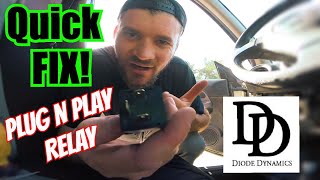
When the flasher relay in your 1995-1998 Talon starts to go bad, it can cause several strange issues with your lights. The most common problem is that your turn signals or hazard lights stop working entirely. You might also find that the signal lights turn on but stay solid instead of flashing. In some cases, you might hear a very fast clicking sound from your dash, and the lights might flash rapidly, a condition known as "hyper-flashing." 🎬 See how a new relay fixes LED turn signal hyper-flashing. While hyper-flashing often means you have a burnt-out bulb, it can also point to a failing relay.
Check This First!
Before you buy a new flasher, make sure the problem isn't something simpler. Always check the fuses first. Then, walk around your car and check that all turn signal bulbs are working. A burned-out bulb is a very common cause of signal problems. Also, a faulty hazard warning switch on the dash can sometimes cause issues that seem like a bad relay.
Choosing the Right Aftermarket Flasher
For a vehicle like the 1995-1998 Eagle Talon, using a new aftermarket flasher relay is a smart and affordable choice. The original Mitsubishi part (OEM Part No. MB953383) can be expensive and hard to find. Aftermarket parts from reputable brands offer similar performance for a fraction of the cost.
When shopping, you will see brands like:
- Standard Ignition (SMP): A well-known and respected brand in the aftermarket world. They produce a wide range of quality electrical parts and are generally considered a reliable choice.
- True Tech: This is often a value-focused brand. While there isn't as much public feedback on them compared to brands like Standard, they provide a cost-effective option for this type of repair.
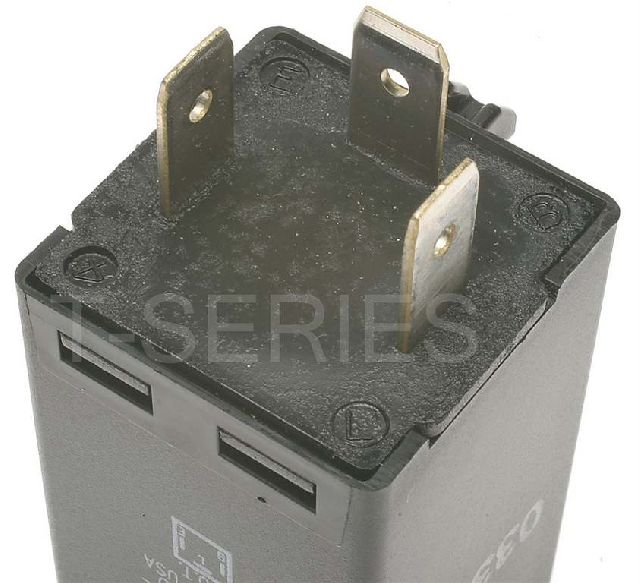
The most important thing is to ensure you are buying the correct part. The flasher for the 2G DSM (Talon/Eclipse) is a specific black box-style relay. Some parts stores might mistakenly list a generic 3-prong flasher, which will not work. Always cross-reference with the OEM number MB953383 to ensure a proper fit.
Cost of Replacing Your Flasher Relay
| Part Type | Estimated Cost |
|---|---|
| New Aftermarket | $27 - $34 |
| New OEM (Mitsubishi) | $70 - $90+ |
| Shop Labor | $100 - $150 |
DIY Installation
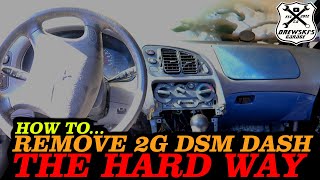
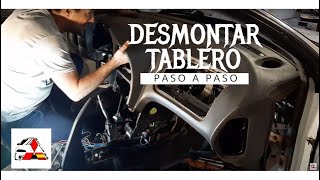
Replacing this part yourself is possible if you are comfortable removing some interior panels. 🎬 Watch this guide on removing the 2G DSM center dash panels. The flasher relay is located behind the radio in the center console. You will need to remove the radio and surrounding trim to access it. It is a plug-and-play part, so once you get to it, the swap is simple. The job typically takes about an hour.
Frequently Asked Questions
Where is the hazard flasher located on a 1995-1998 Eagle Talon?
The flasher relay is located behind the car radio in the center of the dashboard. You will need to remove the trim and the radio to get to it. This is different from many cars where it is in the fuse box under the dash.
Can I replace the flasher relay myself?
Yes, if you have basic tools and are comfortable removing interior trim pieces. The most challenging part is accessing the relay's location. Once you can reach it, you simply unplug the old one and plug in the new one. The entire process should take about an hour for someone with moderate experience.
Should I buy an OEM or Aftermarket flasher?
For this specific part on an older vehicle, an aftermarket flasher is a very practical choice. Brands like Standard Ignition offer good quality at a much lower price than a genuine Mitsubishi part. There is no significant performance or reliability benefit to justify the higher cost of an OEM relay for most owners.
My turn signals blink really fast. Is it the flasher?
It could be, but fast blinking (hyper-flash) is most often caused by a burned-out turn signal bulb somewhere on the car. Before replacing the flasher relay, turn on your signals and walk around the car to see if any bulbs are out. If all bulbs are working, then the flasher relay is the next likely cause.
Helpful Videos
Technical Specifications
OEM Part Numbers: MB953383
This is a 3-pin, 12V electronic flasher relay unit.
We Have This Part in Stock


The information in this article is provided for general reference and educational purposes only. Vehicle specifications, procedures, and part compatibility can vary by production date, trim level, and region. Always consult your vehicle's factory service manual and verify part numbers before purchasing or performing repairs. Safety-critical components such as airbags, seat belts, and braking systems should be installed by a qualified professional.
- Eagle Talon: