

A/C Receiver Drier Replacement Guide for the 1995-1998 Honda Odyssey
If your first-generation Odyssey's A/C is struggling, the often-overlooked receiver drier might be the key to fixing it.
- The A/C receiver drier MUST be replaced any time the A/C system is opened for a repair.
- Replacement requires special equipment to handle refrigerant and is not a DIY-friendly task.
- For best results and longevity, choose a Denso brand drier, as it is an OEM-quality supplier for Honda.
- There are no specific recalls or TSBs for this part on the 1995-1998 Odyssey; failures are related to general A/C system service and wear.
Is Your Odyssey's A/C Showing These Symptoms?
A failing A/C receiver drier doesn't usually fail on its own; its replacement is a required step during most A/C repairs. However, a clogged or saturated drier will cause noticeable problems. Look out for these signs:
- Poor Cooling: The most common symptom is warm or weakly cool air from the vents. A clogged drier restricts the flow of refrigerant, preventing the system from cooling effectively.
- Musty or Moldy Smell: When the desiccant inside the drier is saturated, it can't absorb any more moisture. This allows mold and mildew to grow inside your A/C system, causing a foul smell when you turn on the fan.
- Rattling Sounds: If the drier has been damaged internally, you might hear a rattling sound from the engine bay when the A/C is running. This could be the desiccant bag or other internal parts that have broken loose.
- Frost on A/C Parts: In cases of a severe blockage, you might see frost or ice forming on the drier itself or the connected A/C lines.
Professional Service Required
Replacing the A/C receiver drier is not a typical DIY job. The A/C system is highly pressurized and contains refrigerant that, by law, must be recovered by a certified technician with specialized equipment. Opening the system without properly evacuating it is illegal and dangerous. After the new drier is installed, the system must be put under a deep vacuum to remove all air and moisture before being recharged with the precise amount of refrigerant and oil.
Choosing the Right Aftermarket A/C Receiver Drier
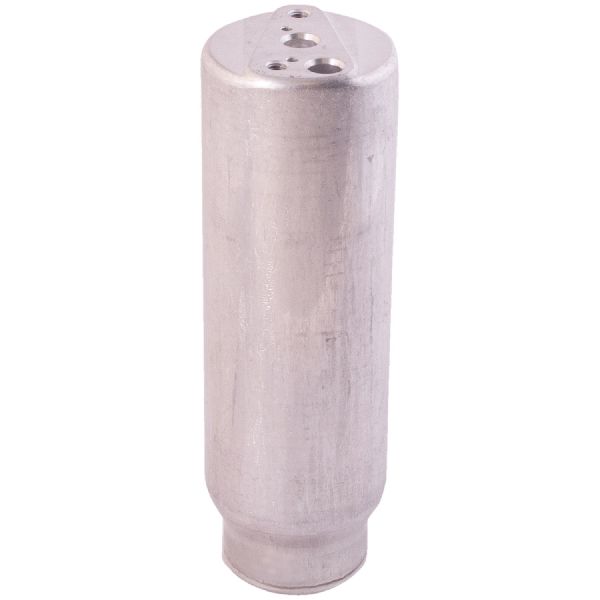
Since you must replace the drier anytime the A/C system is opened, choosing a quality part is important for a lasting repair. For the 1995-1998 Honda Odyssey, you have several good aftermarket options.
Brand Quality Tiers
- OEM-Quality (Best): Denso
Denso is a well-respected original equipment manufacturer for many Japanese automakers, including Honda. Choosing a Denso receiver drier is the closest you can get to the original part's quality and fit. It is widely considered the top choice by professional mechanics for reliability. - Quality Aftermarket (Good): ACDelco & Four Seasons
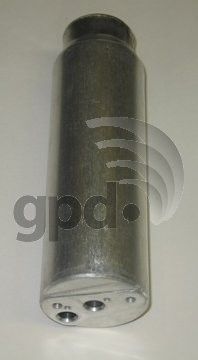
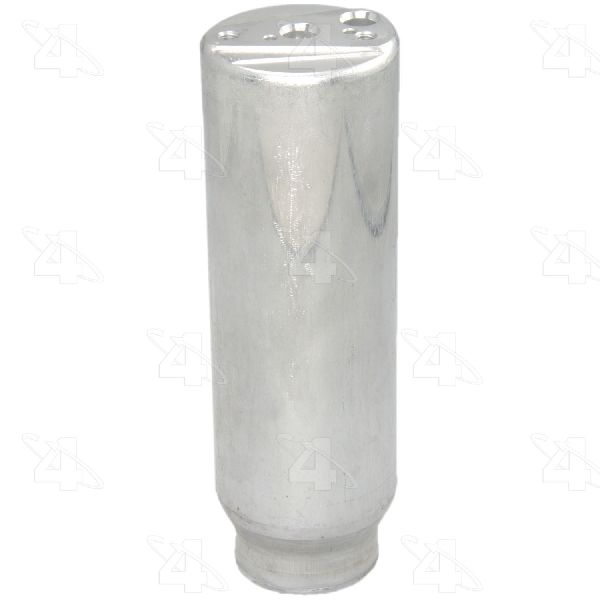
ACDelco is a globally recognized brand known for quality parts. While associated with GM, their professional-grade parts for other makes are reliable alternatives. Four Seasons is a very common and trusted aftermarket A/C parts brand. Forum discussions show many owners have used them for years without problems, making them a solid, dependable choice. - Economy (Budget): Global Parts Distributors (GPD)
GPD offers a budget-friendly option. However, owner reviews and forum discussions are mixed, with some reporting premature failures compared to other brands. If budget is the primary concern, it is a viable option, but be aware of the potential for varied quality.
| Item | Estimated Cost |
|---|---|
| Aftermarket Receiver Drier Part | $20 - $40 |
| Shop Labor (including system evacuation and recharge) | $150 - $300 |
| Total Estimated Cost | $170 - $340 |
Pro Tip: Check the A/C Relay First
On many Hondas of this era, a common and inexpensive point of failure is the A/C compressor clutch relay. If your A/C suddenly stopped working, it's worth checking this small, cheap part before assuming a more complex issue. It's an easy swap that could save you a trip to the shop.
Frequently Asked Questions
Why do I have to replace the drier every time the A/C is repaired?
The desiccant material inside the drier acts like a sponge for moisture. The moment the A/C system is opened to the atmosphere, this material becomes saturated with humidity from the air and is permanently ruined. Failing to replace it will leave moisture in the system, leading to corrosion and poor performance.
Are there any recalls for the A/C on my 1995-1998 Odyssey?
No. Searches of the NHTSA database show no recalls or specific service bulletins related to the A/C receiver drier for the first-generation Honda Odyssey. Recalls for this vehicle were for unrelated items like the ignition switch and ball joints.
What is PAG oil and do I need to add it?
PAG oil is the specific type of lubricant used in your Odyssey's A/C system. When replacing components like the drier, a small amount of oil is removed with the old part. Your technician will add the correct amount of new PAG 46 oil to the system to ensure the compressor stays lubricated. This is a critical step for a successful repair.
Can a bad receiver drier damage my A/C compressor?
Yes. If the desiccant bag inside the drier ruptures, the small desiccant beads can travel through the A/C lines and clog the expansion valve or, in a worst-case scenario, get into the compressor, causing catastrophic failure. This is why addressing symptoms like rattling noises promptly is important.
Technical Specifications
OEM Part Numbers: 80351-SP0-003
Uses R134a refrigerant and PAG 46 oil.
We Have This Part in Stock


The information in this article is provided for general reference and educational purposes only. Vehicle specifications, procedures, and part compatibility can vary by production date, trim level, and region. Always consult your vehicle's factory service manual and verify part numbers before purchasing or performing repairs. Safety-critical components such as airbags, seat belts, and braking systems should be installed by a qualified professional.
- Honda Odyssey: