

Chevrolet Silverado Starter Motor Guide: 1995-1999 Models
Is your Silverado starter failing? Here’s what you need to know before you buy a replacement.
- Always test the battery first; its failure symptoms can mimic a bad starter.
- Consider upgrading to a smaller, more powerful gear-reduction starter from a '96+ model for better performance.
- Heat soak is a common problem; ensure the heat shield is in place to protect your new starter.
- Replacement is a feasible DIY job for those comfortable working under the truck, requiring only basic tools.
Is Your Silverado's Starter Failing?
A failing starter rarely dies without warning. If you own a '95-'99 Silverado, you're likely dealing with a part that is decades old. Heat, age, and countless starts take their toll. Watch for these common signs of failure.
Symptoms of a Bad Starter
- Single Loud "Click": You turn the key and hear one loud click from the engine bay, but the engine doesn't crank. This usually means the starter's solenoid is engaging, but the motor itself isn't turning.
- Slow, Labored Cranking: The engine turns over very slowly, like the battery is dying, even when you know the battery is good. This indicates the starter motor is weak and drawing too much power.
- Grinding or Whirring Noise: A harsh grinding sound during cranking suggests the starter gear is not meshing correctly with the engine's flywheel, or the gear is failing to retract. A whirring sound without the engine turning over means the starter motor is spinning but not engaging the flywheel at all.
- No Sound at All: If you turn the key and get nothing—no click, no crank—and your battery and interior lights work, the problem could be in the electrical circuit leading to the starter, or the starter solenoid has completely failed.
- Hot-Start Problems (Heat Soak): A very common issue on these trucks is when the starter works fine when cold but struggles or fails to crank when the engine is hot. This is called "heat soak," caused by the starter's proximity to the hot exhaust manifold. The heat increases electrical resistance inside the starter, preventing it from working until it cools down.
Choosing the Right Aftermarket Starter
For a 1995-1999 Silverado, buying a new aftermarket starter is a practical choice. OEM parts can be two to three times more expensive, and the technology is straightforward. The most important decision is choosing between a standard replacement and a modern upgrade.
Pro Tip: Upgrade to a Gear-Reduction Starter
Starting in 1996 with the Vortec engines, GM began using a smaller, lighter, and more powerful gear-reduction starter. These are often called "mini-starters." They are a direct bolt-on replacement for the larger, heavier direct-drive starters found on many '95 and earlier models. They provide more cranking torque, draw less power, and are often less prone to heat soak, making them a highly recommended upgrade.
Brand Tiers
When shopping for a new starter, you'll encounter different brands. Quality can vary, so it's important to understand what you're buying.
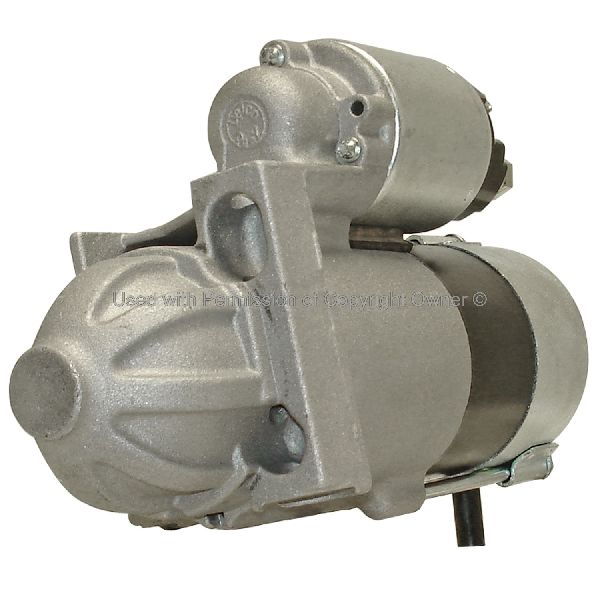
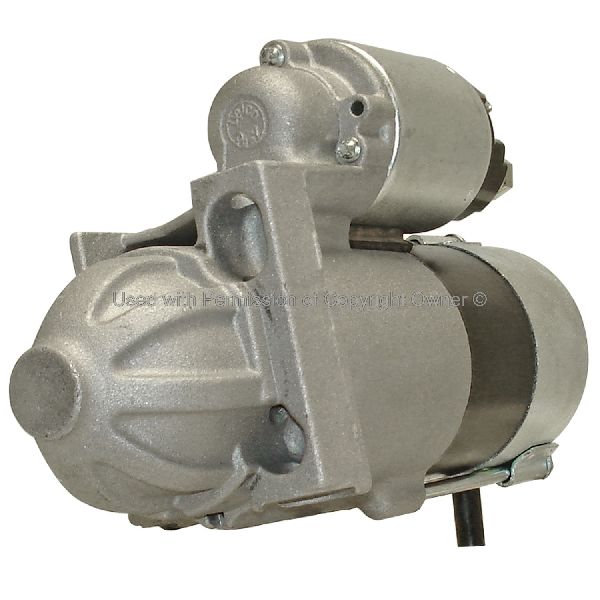
- Premium Aftermarket (e.g., MPA): Brands like Motorcar Parts of America (MPA) manufacture new parts designed to meet or exceed original equipment specifications. They focus on quality control and testing to ensure reliability. This is a solid choice for a dependable, long-lasting replacement.
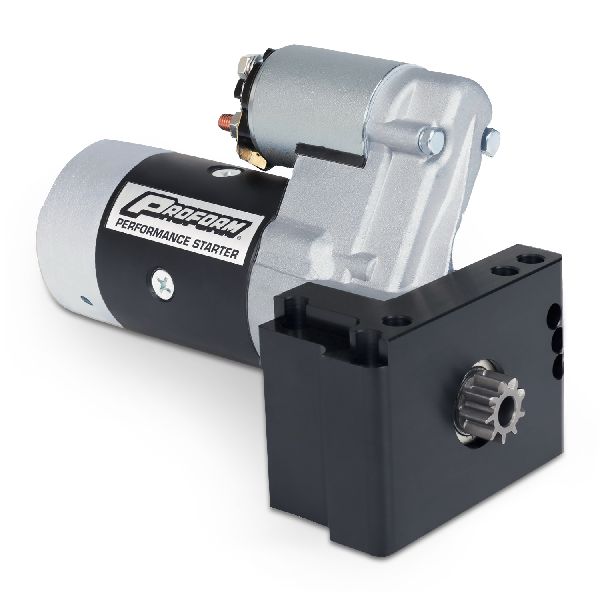
- Performance / High-Torque (e.g., Proform): Brands like Proform often offer high-torque, gear-reduction starters that can be lighter and more powerful than stock. However, user reviews are mixed; some report excellent performance, while others mention issues with installation, requiring shims for proper alignment. These can be a good option, but may require more attention to detail during installation.
Cost of Replacing a Silverado Starter
The cost can be broken down into parts and labor. Replacing the starter on this generation of Silverado is a common DIY job, which can save you significant money.
| Item | Estimated Cost |
|---|---|
| New Aftermarket Starter | $108 - $285 |
| Shop Labor | $100 - $200 |
| Total Professional Replacement | $208 - $485 |
Frequently Asked Questions
Can a bad battery be mistaken for a bad starter?
Absolutely. A weak or dead battery is the most common reason a car won't start. Symptoms like slow cranking or rapid-fire clicking are often caused by a battery that doesn't have enough power. Always test your battery and clean the terminals before deciding to replace the starter.
What is a starter heat shield and is it important?
A starter heat shield is a piece of metal that sits between the starter and the exhaust manifold to protect the starter from excessive heat. It is critical for preventing the "heat soak" issue common on these trucks. If your old starter has a heat shield, make sure you transfer it to the new one. If it's missing, you should install one to prolong the life of your new starter.
Do I need to shim the new starter?
Maybe. A shim is a thin piece of metal placed between the starter and the engine block to ensure the starter gear properly aligns with the flywheel. Some aftermarket starters, especially high-torque models, may require shims to prevent grinding or binding. Many replacement starters come with shims and instructions on how to check the clearance.
Is replacing the starter a difficult job?
For a DIYer with some experience, it's a manageable job. Access is the main challenge. The starter is on the passenger side, and you'll need to work around exhaust pipes and transmission lines. The process involves disconnecting the battery, safely jacking up the truck, removing two bolts and two wires, and then reversing the process. It typically does not require special tools.
Technical Specifications
Most 1995-1999 Chevrolet Silverado models with V8 engines use a starter with a staggered (offset) bolt pattern designed for a 168-tooth flexplate. Ensure the replacement starter matches this pattern. The smaller gear-reduction starters from 1996+ models are a common, direct-fit upgrade.
We Have This Part in Stock

The information in this article is provided for general reference and educational purposes only. Vehicle specifications, procedures, and part compatibility can vary by production date, trim level, and region. Always consult your vehicle's factory service manual and verify part numbers before purchasing or performing repairs. Safety-critical components such as airbags, seat belts, and braking systems should be installed by a qualified professional.
- Chevrolet Silverado: