

Engine Coolant Temperature Sensor Guide for 1995-1999 Chrysler Voyager
Is your Voyager running rough, getting poor gas mileage, or overheating? Your coolant sensor might be the culprit.
- A faulty ECT sensor can cause poor fuel economy, overheating, and rough running.
- For this vehicle, a quality aftermarket brand like NGK or Standard Ignition is a reliable and cost-effective choice.
- This is an easy and inexpensive DIY repair that most owners can complete in under 30 minutes with basic tools.
- There are no recalls for this specific part, so diagnosis and replacement are the owner's responsibility.
Is Your Voyager's Coolant Sensor Failing?
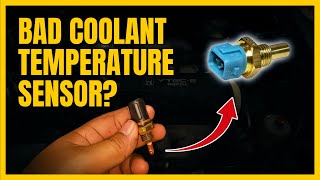
A bad Engine Coolant Temperature (ECT) sensor can cause a surprising number of problems. Because the sensor sends bad information to your van's computer, the engine doesn't get the right fuel mixture or timing. This can lead to a variety of symptoms that often get worse over time. 🎬 Watch: 8 common symptoms of a failing coolant sensor. Ignoring a faulty ECT sensor can lead to poor performance, bad fuel economy, and potentially even engine damage from overheating.
Choosing the Right Aftermarket Sensor
For a vehicle like the 1995-1999 Chrysler Voyager, you don't need to buy an expensive OEM part from the dealer. Many aftermarket companies make high-quality sensors that meet or even exceed the original specifications. Here’s a breakdown of the available brands to help you choose.
Brand Quality Tiers
- Premium Aftermarket (NGK, Standard Ignition): Brands like NGK (also known as NTK for sensors) and Standard Motor Products (SMP) are top-tier choices. They are often the original equipment manufacturer for many car brands and have a strong reputation for quality and reliability. Choosing one of these brands is the closest you can get to OEM quality, and sometimes it's the exact same part in a different box. Be aware that Standard's 'T-Series' is their economy line and may not have the same quality as their main product line.
- Standard Aftermarket (Holstein): Holstein is a solid mid-range brand that focuses on meeting OEM specifications for fit and function. Forum discussions and reviews suggest they are a reliable budget-friendly alternative to premium brands, making them a good value choice for many repairs.
- Economy Aftermarket (Global Parts, True Tech): These brands are typically the most affordable. They are designed to be a functional replacement to get your vehicle back on the road. While they may meet basic fit and function requirements, their long-term durability and the precision of their temperature readings may not match that of higher-priced brands. True Tech is likely a private-label brand with less public data on its quality.
Pro Tip: Check the Connector
Before you install the new sensor, take a close look at the wiring connector. After decades on the road, the plastic can become brittle and the metal contacts can get corroded. If the connector looks green, crusty, or cracked, it's a good idea to replace it too. A bad connection can make even a brand-new sensor read incorrectly.
Cost of Replacing the ECT Sensor
The cost to replace the ECT sensor on a 1995-1999 Voyager is very reasonable, especially if you do the work yourself. The parts are inexpensive and it's not a labor-intensive job.
| Part or Service | Estimated Cost |
|---|---|
| New Aftermarket Sensor | $12 - $41 |
| New OEM (Mopar) Sensor | $60 - $95 |
| Shop Labor | $50 - $75 |
| Total (Shop Repair) | $62 - $116 |
Installation Guide
Warning: Safety First
Never work on a hot cooling system. The coolant is under pressure and can cause severe burns. Always wait for the engine to cool down completely before starting this repair. Some coolant will spill when you remove the old sensor, so have a catch pan ready.
Replacing the ECT sensor is a straightforward job that most DIYers can handle in under 30 minutes.
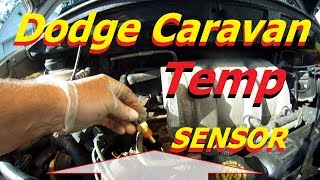
- Locate the Sensor: On the 3.3L and 3.8L V6 engines common in these vans, the ECT sensor is typically located on or near the thermostat housing. Follow the upper radiator hose from the radiator to where it connects to the top of the engine. The sensor is a small, two-wire plug screwed into the metal housing nearby. 🎬 See this video for the exact sensor location and install.
- Disconnect the Battery: Disconnect the negative terminal of your battery as a safety precaution.
- Unplug the Connector: Carefully unplug the electrical connector from the sensor. Press the release tab and pull straight off.
- Prepare for Coolant Loss: Place a drain pan under the engine to catch any coolant that spills out. You will lose a small amount.
- Remove the Old Sensor: Using a deep socket and ratchet, unscrew the old sensor.
- Install the New Sensor: Make sure the threads on the new sensor are clean. Some new sensors come with sealant on the threads; if not, you can apply a small amount of thread sealant. Screw the new sensor in by hand to avoid cross-threading, then tighten it snugly with the socket. Do not overtighten.
- Reconnect and Refill: Plug the electrical connector back in and reconnect the battery. Top off the coolant you lost with the correct type for your vehicle. Start the engine and check for leaks. 🎬 Vea este video para un tutorial rápido en español.
Frequently Asked Questions
Do I need to drain all the coolant to replace the sensor?
No, you do not need to drain the entire system. Only a small amount of coolant will leak out when you remove the sensor, as it's located high up on the engine. Just be prepared to top off the system after you are done.
Will a bad ECT sensor always cause a Check Engine Light?
Not always. A sensor can start to fail by sending readings that are incorrect but still within the computer's expected range. This can cause performance issues like poor mileage or a rough idle long before the sensor fails completely and triggers a Check Engine Light.
Are there any recalls for the coolant sensor on my Voyager?
No, there are no specific recalls issued by Chrysler or the NHTSA for the engine coolant temperature sensor on the 1995-1999 Chrysler Voyager. While there were several recalls for this vehicle, none addressed this specific component.
What's the difference between the temperature sensor and the temperature sender?
On many older vehicles, there were two separate components. The 'sender' was for the temperature gauge on your dashboard, and the 'sensor' was for the engine computer. On your 1995-1999 Voyager, a single ECT sensor typically provides the temperature reading for both the computer and the gauge, simplifying the system.
Helpful Videos


Technical Specifications
OEM Part Numbers: 56027873 5269870AB
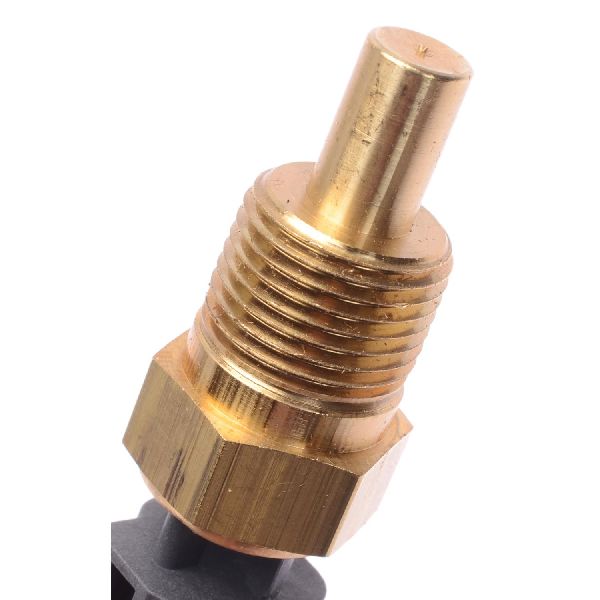
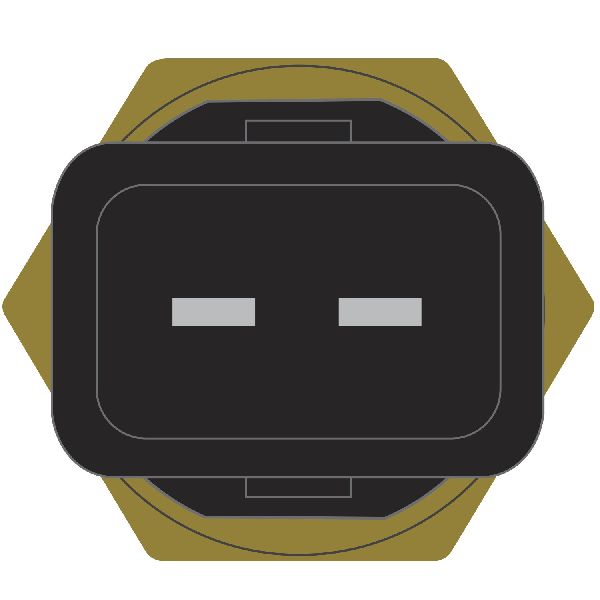
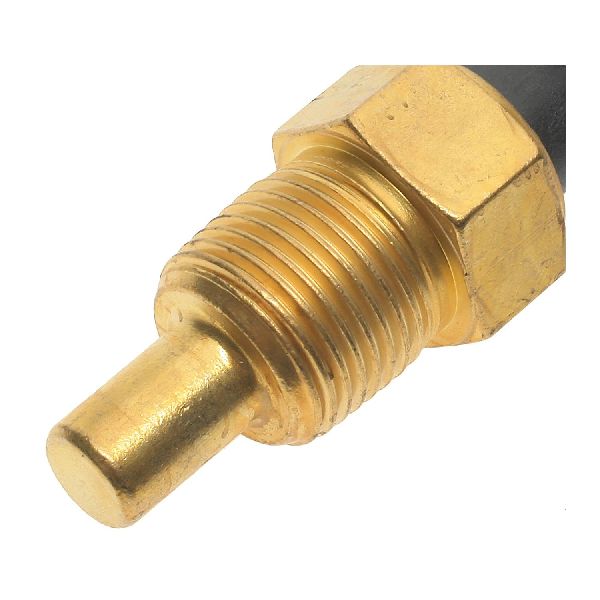
Connector: 2-Pin/Terminal Plug. Thread Size: 1/8 - 27 NPT (common).
We Have This Part in Stock



The information in this article is provided for general reference and educational purposes only. Vehicle specifications, procedures, and part compatibility can vary by production date, trim level, and region. Always consult your vehicle's factory service manual and verify part numbers before purchasing or performing repairs. Safety-critical components such as airbags, seat belts, and braking systems should be installed by a qualified professional.
- Chrysler Voyager: