

Dodge Dakota Vehicle Speed Sensor (VSS) Guide: 1995-1999
Having speedometer or shifting problems with your Dakota? Your vehicle speed sensor is the likely cause.
- You must first identify if your Dakota uses the transmission-mounted sensor or the rear differential-mounted sensor.
- Symptoms include a faulty speedometer, harsh shifting, and non-working cruise control.
- This is a very easy and inexpensive DIY repair that can be done in under 30 minutes with basic tools.
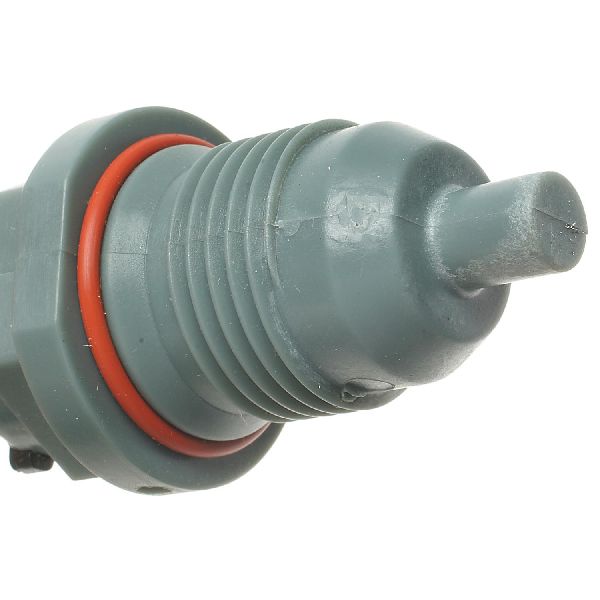
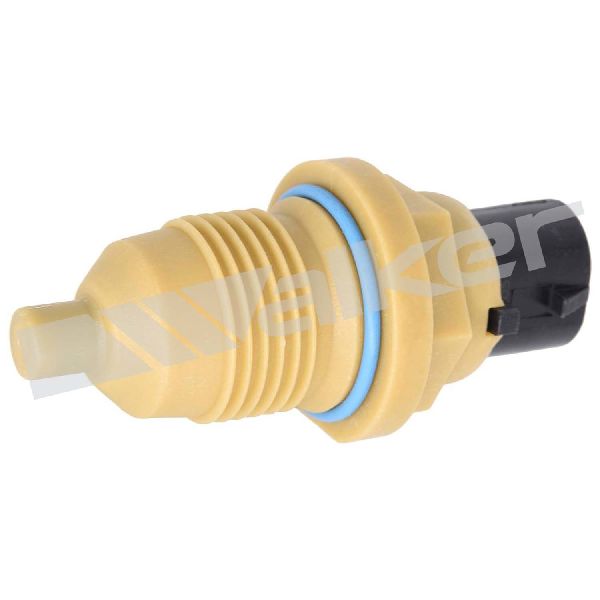
- Choosing a reputable aftermarket brand like Standard Ignition or Walker Products is a safe bet for reliability.
Is Your Dakota's Speedometer Acting Up?

If your 1995-1999 Dodge Dakota has an erratic or dead speedometer, problems with automatic shifting, or the cruise control won't work, a failing vehicle speed sensor (VSS) is a very common culprit. This part is also sometimes called an output speed sensor. This guide will help you understand the symptoms, choose the right replacement part, and know what to expect for the repair.
Symptoms of a Failing Vehicle Speed Sensor

When the VSS goes bad, your truck's computer gets confusing signals. This can cause several noticeable problems:
- Erratic or Dead Speedometer: The needle may bounce around, show the wrong speed, or not move at all.
- Harsh or Incorrect Shifting: With an automatic transmission, you might experience delayed, hard shifts, or the truck may feel like it's stuck in one gear (known as "limp mode"). This is because the transmission doesn't know when to shift.
- Cruise Control Failure: The cruise control system needs a steady speed signal to work. If the signal is bad, the cruise control will not engage.
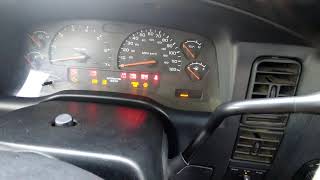
- Check Engine or ABS Light: A bad sensor can trigger the Check Engine Light, often with code P0500. 🎬 Watch: How to fix the P0500 code and clear it. On trucks where the sensor is on the rear axle, it can also cause the ABS and brake warning lights to come on.
The Most Common Ordering Mistake
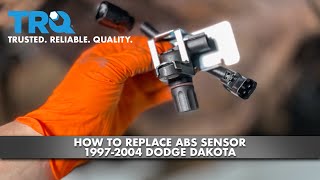
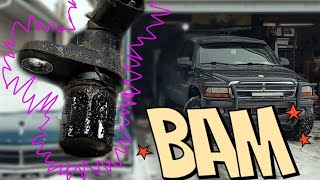
For 1995-1999 Dakotas, there are two possible locations for the main speed sensor. Some models have it on the driver's side of the transmission's rear housing 🎬 Watch: How to replace the transmission output speed sensor. (or transfer case on 4WD models). Others, particularly 1998 and newer models, use the ABS speed sensor on top of the rear differential housing 🎬 See this walkthrough for replacing the rear ABS speed sensor. to control the speedometer. You must visually inspect your truck to see which one you have before ordering a part. Ordering the wrong one is a common and frustrating mistake.
Choosing the Right Aftermarket VSS Brand

You don't need to buy the most expensive part from the dealer to get a reliable fix. However, with electronic sensors, quality matters. Cheaper, no-name parts can sometimes fail early or be dead on arrival. Here’s a breakdown of the available aftermarket brands:
- Reputable Aftermarket (Holstein, Standard Ignition, Walker Products): These are well-known brands in the auto repair world. They are engineered to meet or exceed original quality and often come with a good warranty. They represent a solid balance of price and reliability for a DIY or professional repair.
- Economy (True Tech): This brand falls into the value category. While it offers the lowest price, it may not have the same long-term durability or quality control as more established brands. It can be a good choice for a budget-focused repair, but be aware of the potential trade-off in quality.
Pro Tip: Given the low cost of this part, spending a few extra dollars for a reputable brand like Standard Ignition or Walker Products can save you the headache of having to do the job a second time.
Cost of Replacing a Dodge Dakota VSS
| Part Type | Estimated Cost |
|---|---|
| New Aftermarket Part | $22.63 - $57.47 |
| New OEM Part (Mopar) | $80 - $90 |
| Shop Labor | $40 - $60 |
| Total Professional Repair | $100 - $150 |
Frequently Asked Questions

Where is the vehicle speed sensor located?
It's in one of two places. Check the driver's side of the transmission, near where the driveshaft connects. If it's not there, look on the top of the rear differential housing (the 'pumpkin' in the middle of the rear axle). You must check your specific truck before buying.
Is this a hard job to do myself?
No, this is a great DIY job for beginners. It is typically held in by a single bolt and has one electrical connector. You'll need basic hand tools, and it can usually be done in under 30 minutes. Just be prepared for a small amount of transmission fluid to drip out if you're replacing the one on the transmission.
What happens if I don't replace a bad VSS?
You can continue to drive the truck, but it's not recommended. Your speedometer and odometer will be inaccurate, which is unsafe and can get you a ticket. More importantly, the poor shifting can cause extra wear and tear on your automatic transmission over time.
Why did my new sensor come with wires?
Some aftermarket sensors come with a new connector pigtail. This is because the original plastic connector on the truck's wiring harness can become brittle and break. If your new sensor includes a pigtail, you will need to cut off the old connector and splice the new one on, matching the wires.
Helpful Videos
Technical Specifications
OEM Part Numbers: 5013660AA
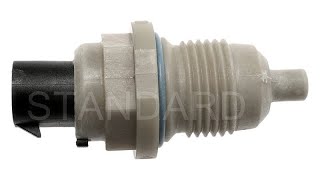
Typically a 2-pin male sensor with an oval connector. Location is either on the transmission tail housing or the top of the rear differential.
We Have This Part in Stock


The information in this article is provided for general reference and educational purposes only. Vehicle specifications, procedures, and part compatibility can vary by production date, trim level, and region. Always consult your vehicle's factory service manual and verify part numbers before purchasing or performing repairs. Safety-critical components such as airbags, seat belts, and braking systems should be installed by a qualified professional.
- Dodge Dakota: