

1995-1999 Dodge Neon Suspension Stabilizer Link Replacement Guide
Stop the front-end clunking and improve your Neon's handling with the right stabilizer bar link kit.
- The most common symptom of a bad link is a clunking noise from the front end over bumps.
- Always replace stabilizer links in pairs (both front links at the same time) for balanced handling.
- Replacement is a simple DIY job; just be sure to lift both front wheels off the ground to release sway bar tension.
- For a daily driver, a quality aftermarket brand like Moog, Delphi, or Mevotech offers excellent value and durability.
Is Your Neon Making a Clunking Noise?
A common issue on the first-generation Dodge Neon is a distinct clunking or rattling sound from the front suspension, especially when driving over bumps or uneven roads. This noise is often the first and most obvious sign that your stabilizer bar links have failed. The original links use rubber bushings that wear out, crack, or get smashed over time, allowing for excessive play and noise.
Symptoms of a Bad Stabilizer Link on a '95-'99 Neon
- Clunking or Knocking Sounds: The most common symptom. You'll hear it most over bumps, potholes, or even when turning at low speeds. The sound is often described as a metallic rattle coming from the wheel area.
- Poor Handling: Your Neon might feel less stable or "floaty" in corners. Increased body roll, where the car leans more than usual during turns, is a clear sign the links aren't doing their job.
- Loose Steering Feel: The steering may feel less precise or disconnected from the road. This is because the worn links can't hold the sway bar firmly in place.
Pro Tip: Check Both Sides
Stabilizer links wear out at similar rates. If one side has failed, the other is likely not far behind. It is always recommended to replace them in pairs to ensure balanced handling and to save you from doing the same job twice.
Choosing the Right Aftermarket Stabilizer Link
For a 1995-1999 Neon, original equipment (OEM) parts from Mopar are available but can be more expensive. The aftermarket offers a wide range of quality options that often meet or exceed OEM standards for a lower price. The main differences you'll find are in the materials and design.
A Note on Design: Bushings vs. Ball Joints
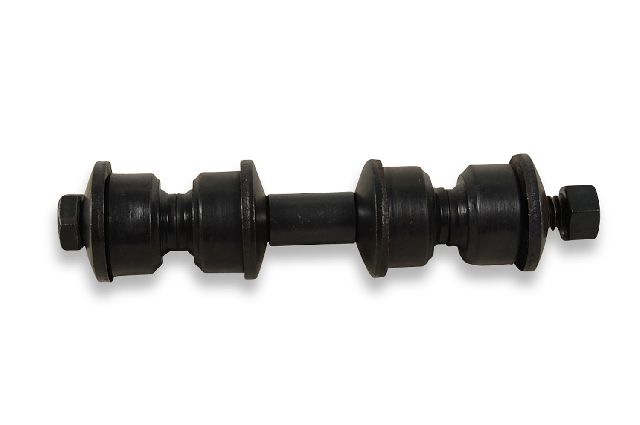
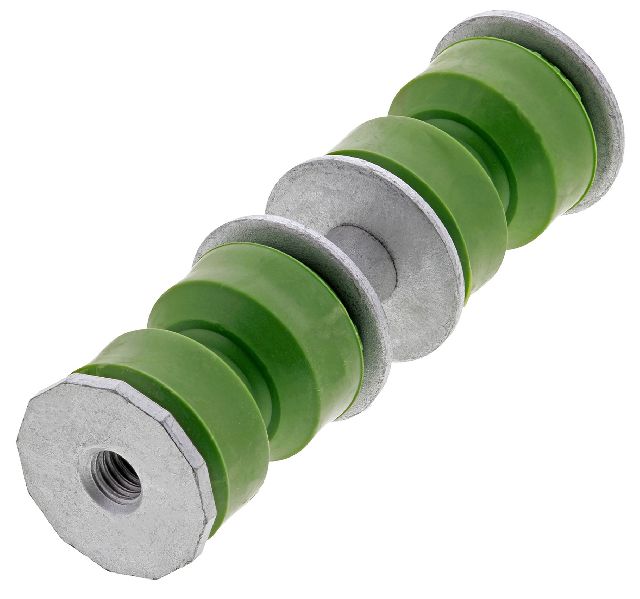
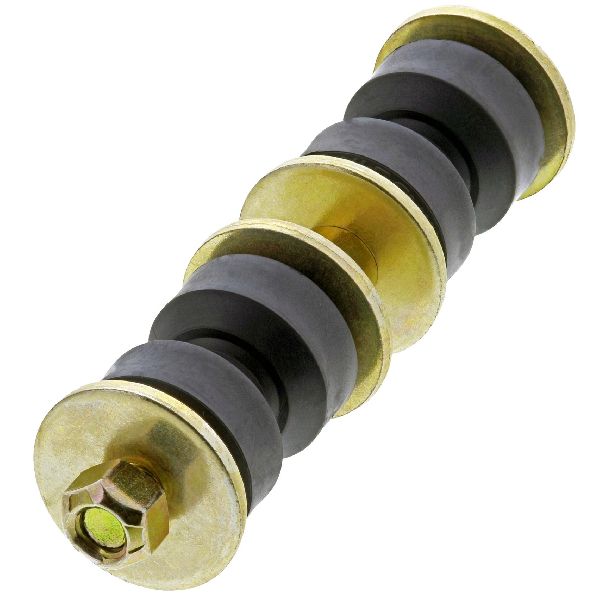
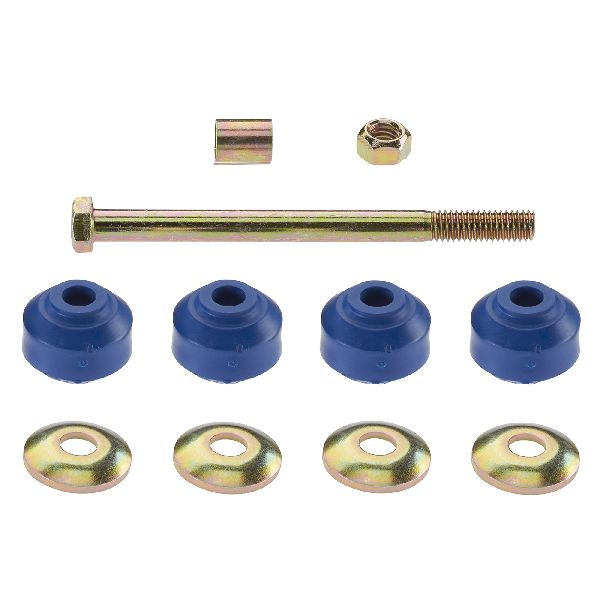
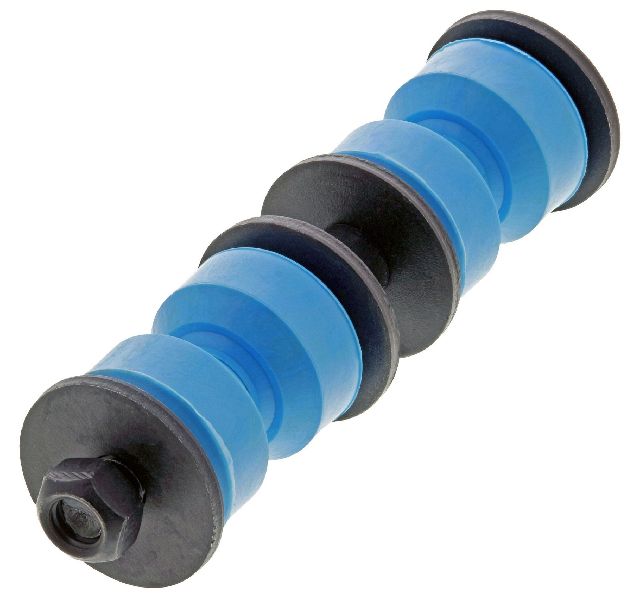
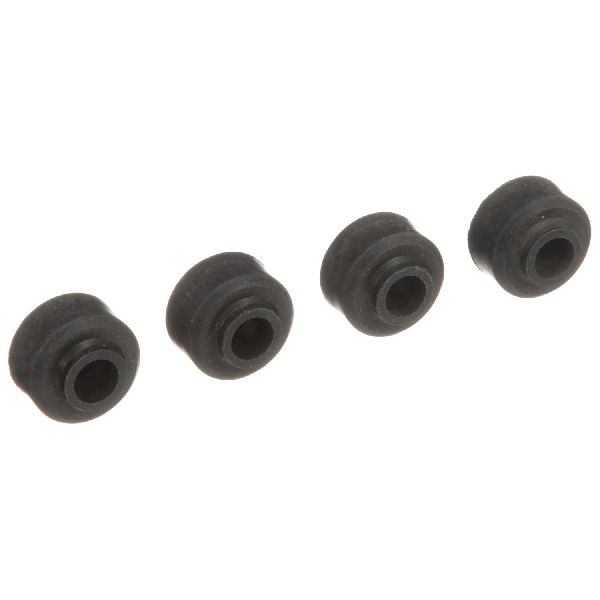
The original links on the '95-'99 Neon use a simple bolt, spacer, and bushing design. Some aftermarket replacements may use a sealed ball-joint style link. While different in appearance, both will function correctly. Upgraded polyurethane bushings are also available and offer increased durability and a firmer feel compared to the original rubber.
Installation Tips for Dodge Neon
Replacing the stabilizer links on a first-gen Neon is a DIY-friendly job for those with basic tools. The most important tip is to have both front wheels off the ground to take the tension off the sway bar. If you only lift one side, the sway bar will be under load, making it very difficult to remove and install the links. Rusty bolts can be the biggest challenge; soaking them in penetrating fluid beforehand is highly recommended. You may need a wrench or locking pliers to hold the old link's shaft while you loosen the nut.
Frequently Asked Questions
Do I need a special tool to replace my Neon's sway bar links?
No special tools are required. A basic socket set, wrenches, and potentially a pair of locking pliers are usually sufficient. Jack stands are essential for safety. Raising both front wheels makes the job much easier.
Should I get greasable or sealed stabilizer links?
Greasable links, often found on premium brands like Moog or Mevotech, can last longer if maintained. They require you to add grease periodically. Sealed units are maintenance-free and are a great "fit and forget" option. For most daily drivers, a quality sealed unit is perfectly adequate.
What are the torque specs for Dodge Neon sway bar links?
While specific factory specs can be hard to find, a general rule for this type of link is to tighten the nut until the polyurethane or rubber bushings begin to swell slightly wider than the washers. A common torque value for similar links is around 14 lb-ft, but the visual cue of the bushing swell is often the best guide. Do not overtighten, as this can destroy the bushings.
Were there any recalls for the 1995-1999 Neon stabilizer links?
No specific recalls for suspension stabilizer bar links were found for the 1995-1999 Dodge Neon during a search of the NHTSA database. This is a common wear-and-tear item not typically covered by safety recalls.
Technical Specifications
OEM Part Numbers: 4656260AA 5272324AC 4656351AA
The 1995-1999 Dodge Neon uses a front stabilizer link of the bolt-and-bushing style. The kit typically includes a long bolt, a metal spacer sleeve, several rubber or polyurethane bushings, and washers.
We Have This Part in Stock

The information in this article is provided for general reference and educational purposes only. Vehicle specifications, procedures, and part compatibility can vary by production date, trim level, and region. Always consult your vehicle's factory service manual and verify part numbers before purchasing or performing repairs. Safety-critical components such as airbags, seat belts, and braking systems should be installed by a qualified professional.
- Dodge Neon: