

Ford Mustang Mass Air Flow Sensor Guide (1995-1999)
Having idling, stalling, or hesitation problems with your SN95 Mustang? Your Mass Air Flow sensor might be the culprit.
- A dirty or failing MAF sensor is a common cause of idling, stalling, and hesitation issues on 1995-1999 Mustangs.
- Always try cleaning the sensor with dedicated MAF cleaner before replacing it; it can save you money.
- Replacement is very easy and requires a special T20 Security Torx bit.
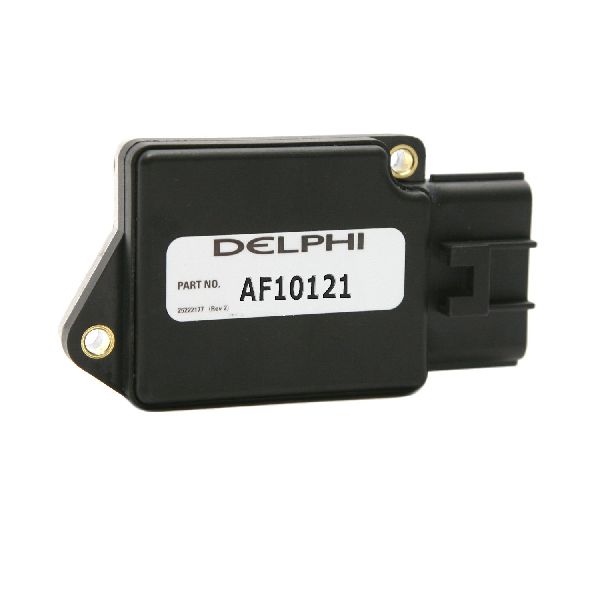
- For best results, use a high-quality aftermarket brand like Delphi or an OEM Motorcraft sensor, as these cars are sensitive to sensor calibration.
Is Your 1995-1999 Mustang Showing These Symptoms?
A dirty or failing Mass Air Flow (MAF) sensor sends bad information to your engine's computer. This can make the engine run too "lean" (not enough fuel) or too "rich" (too much fuel), causing a range of problems. Owners often report several key issues:
- Check Engine Light: This is usually the first sign something is wrong. The computer will store Diagnostic Trouble Codes (DTCs), often P0101, P0102, P0171, or P0174. 🎬 Watch: Understanding Ford lean codes P0171 and P0174
- Rough Idle and Stalling: Your Mustang might idle erratically, surge, or even stall completely when you come to a stop.
- Hesitation and Poor Acceleration: The car may feel sluggish, jerk, or hesitate when you step on the gas. This happens because the engine isn't getting the right fuel mixture for the power you're demanding.
- Bad Fuel Economy: An incorrect MAF reading can make the engine use more fuel than it needs, so you'll find yourself at the gas pump more often.
- Black Exhaust Smoke: If you see black smoke from the tailpipe, it's a sign your engine is running rich, which can be caused by a faulty MAF sensor.
Try Cleaning it First
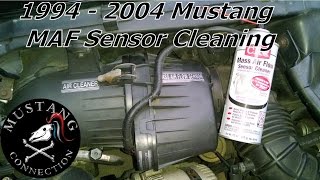
Before you buy a new part, try cleaning your existing MAF sensor. Fouling from dirt or oil from aftermarket air filters is a very common issue on these Mustangs. You can buy a can of dedicated MAF sensor cleaner at any auto parts store. The process is simple and often restores the sensor's function, saving you money. Do not use brake or carburetor cleaner, as they can damage the sensor's delicate components.
Choosing the Right Aftermarket MAF Sensor
When it's time to replace the sensor, you have options. For Ford's electronic systems from this era, the quality and calibration of the sensor are extremely important. Using a poorly calibrated sensor can cause performance issues to continue even after the part is replaced.
Brand Quality Tiers
Based on performance and owner feedback, aftermarket brands for this part can be grouped into tiers:
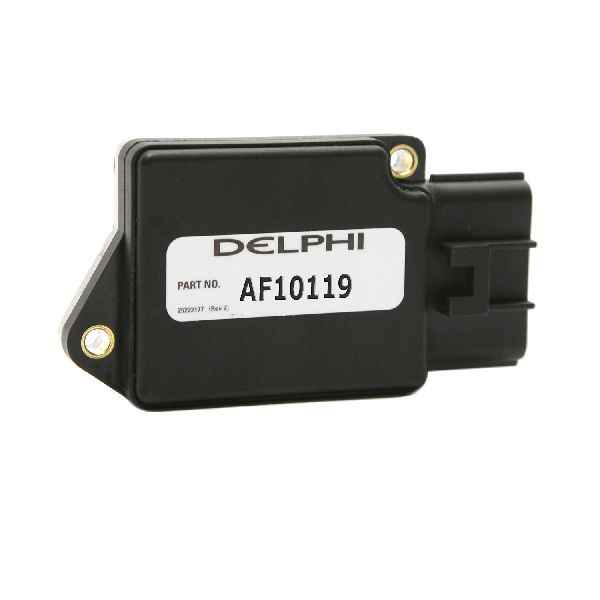
- Top Tier (OEM-level Quality): Brands like Delphi and NGK (NTK) are well-regarded and often supply parts directly to automakers. They are known for reliable performance and proper calibration, making them a safe bet.
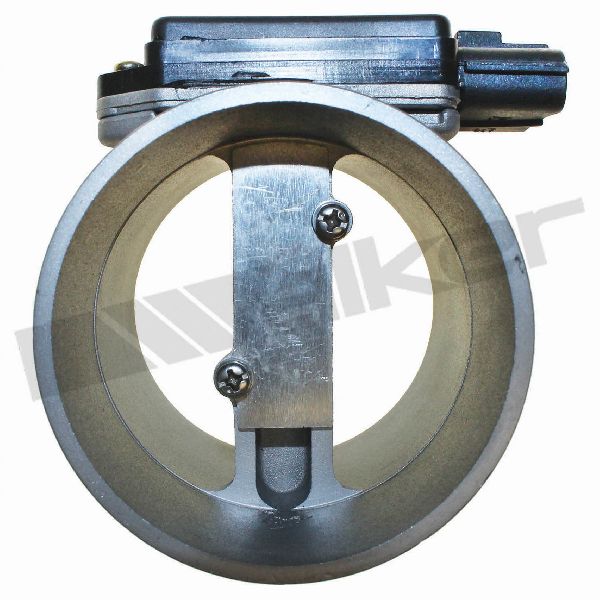
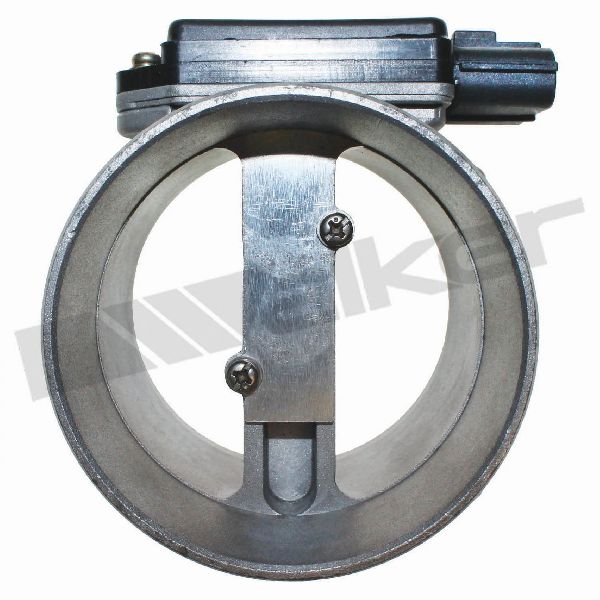
- Standard Tier (Budget-Friendly): Brands such as Spectra, Cardone, Standard Ignition (SMP), and Walker Products offer a more affordable solution. While they can be a good value, be aware that some Mustang owners report lingering idle or performance issues with budget sensors, recommending sticking to higher-quality or OEM parts for critical electronics.
- Performance Upgrade: BBK Performance offers larger MAF meters designed for modified Mustangs with upgrades like cold air intakes and larger fuel injectors. These are specifically calibrated for increased airflow and are not direct stock replacements. Choose these only if your car is modified to need them.
A Note on OEM (Motorcraft) Parts
Many experienced Mustang owners and mechanics strongly recommend using the original Ford/Motorcraft sensor for this repair. While sometimes more expensive, it guarantees perfect calibration and compatibility, eliminating any guesswork. If you've had persistent issues, a genuine Motorcraft part is often the final solution.
Cost of Replacing a Mass Air Flow Sensor
Here is a general breakdown of what you can expect to pay for a MAF sensor for your 1995-1999 Mustang.
| Part Type | Estimated Cost |
|---|---|
| New Aftermarket | $67 - $163 |
| New OEM (Motorcraft) | $150 - $210 |
| Shop Labor | $50 - $100 |
Cost estimates are based on market research at the time of writing and can vary.
Frequently Asked Questions
Can I replace the MAF sensor myself?
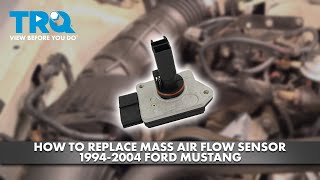
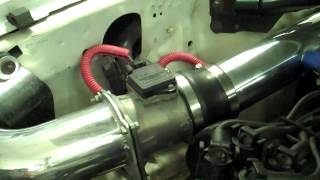
Yes, this is a very easy DIY job that most owners can do in under 30 minutes with basic tools. The sensor is located right on the air intake tube and is held in by two screws.
🎬 Watch: A quick walkthrough on replacing your mass air flow sensorWhat special tools do I need?
You will need a T20 Security Torx bit. This is a star-shaped bit with a hole in the center. A standard T20 Torx bit will not work. You will also need a flathead screwdriver or an 8mm socket to loosen the hose clamps on the air intake tube.
Do I need to disconnect the battery?
Yes, it is always recommended to disconnect the negative battery terminal before working on any vehicle electronics. This prevents accidental shorts and allows the engine computer to reset and relearn with the new sensor.
Will a cheap MAF sensor work?
It might, but it's a gamble. The 1990s Ford engine management systems can be sensitive to sensor calibration. Many owners have found that budget-friendly aftermarket sensors don't solve their idling or performance problems, and they end up buying an OEM or premium aftermarket part anyway.
What's the difference between a 4-pin and 6-pin MAF?
On some later model New Edge Mustangs (after your year range), Ford integrated the Intake Air Temperature (IAT) sensor into the MAF, resulting in a 6-pin connector. Your 1995-1999 Mustang should have a separate IAT sensor and use a 4-pin MAF connector. Always verify the part by matching it to your original sensor.
Helpful Videos

Technical Specifications
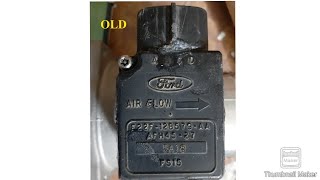
OEM Part Numbers: F57F-12B579-DA F57F-12B579-BA F57F-12B579-CA
Located in the air intake tube between the air filter and throttle body. The sensor element is secured with two T20 Security Torx screws and uses a 4-pin electrical connector for this vehicle generation.
We Have This Part in Stock


The information in this article is provided for general reference and educational purposes only. Vehicle specifications, procedures, and part compatibility can vary by production date, trim level, and region. Always consult your vehicle's factory service manual and verify part numbers before purchasing or performing repairs. Safety-critical components such as airbags, seat belts, and braking systems should be installed by a qualified professional.
- Ford Mustang: