

Catalytic Converter Guide for the 1995-1999 Mitsubishi Eclipse
Everything you need to know before replacing the catalytic converter on your second-generation (2G) Eclipse.
- A P0420 code is the most common sign of failure, but always check for exhaust leaks and bad O2 sensors before replacing the converter.
- OEM converters are discontinued, so you will be choosing an aftermarket part. Direct-fit units are strongly recommended for DIY installation.
- MagnaFlow is a premium choice for performance and longevity, while Walker offers reliable, standard replacements.
- Always verify if you need a Federal (EPA) or a more expensive CARB-compliant converter based on your state's laws.
Is Your Eclipse's Catalytic Converter Failing?
A failing catalytic converter isn't just bad for the environment; it can seriously impact your car's performance. Converters don't typically fail on their own; failure is usually a symptom of another problem, like a bad oxygen sensor, engine misfires, or an oil/coolant leak that contaminates the converter. The most common sign of a problem is the Check Engine Light, often with a P0420 code, which means "Catalyst System Efficiency Below Threshold."
Key Symptoms of a Bad Converter:
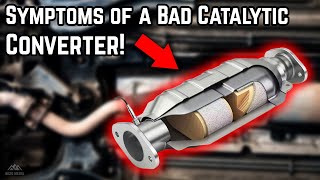
🎬 Watch this video to identify common signs of converter failure.- Check Engine Light: The most common symptom is a check engine light with a P0420 code.
- Reduced Engine Power: A clogged converter creates backpressure, choking the engine and causing sluggish acceleration and a general loss of power. You might find you can't accelerate past a certain speed. 🎬 See how a clogged converter impacts your engine's performance.
- Rotten Egg Smell: A strong sulfur or "rotten egg" smell from the exhaust indicates the converter is not processing gases correctly.
- Rattling Noises: The internal honeycomb structure can break apart over time, causing a rattling sound from under the car, especially at idle.
- Poor Fuel Economy: When the engine has to work harder to push exhaust gases through a clog, your gas mileage will suffer.
- Failed Emissions Test: This is a sure sign the converter is no longer doing its job.
Don't Ignore a P0420 Code
While a P0420 code points to the converter, it can also be caused by exhaust leaks or faulty oxygen sensors. It's wise to have a mechanic diagnose the issue properly before replacing the most expensive part. Driving for a long time with a clogged converter can cause significant engine performance issues and even stalling.
Choosing the Right Aftermarket Converter
Since Mitsubishi has discontinued the original OEM catalytic converters for the 2G Eclipse, you will be choosing from aftermarket options. These parts are categorized as either Direct-Fit or Universal. A direct-fit part is designed to bolt right into the factory location with no modifications, while a universal part requires cutting and welding for installation. For a DIY replacement, a direct-fit converter is highly recommended.
Aftermarket Brand Tiers for Your Eclipse:
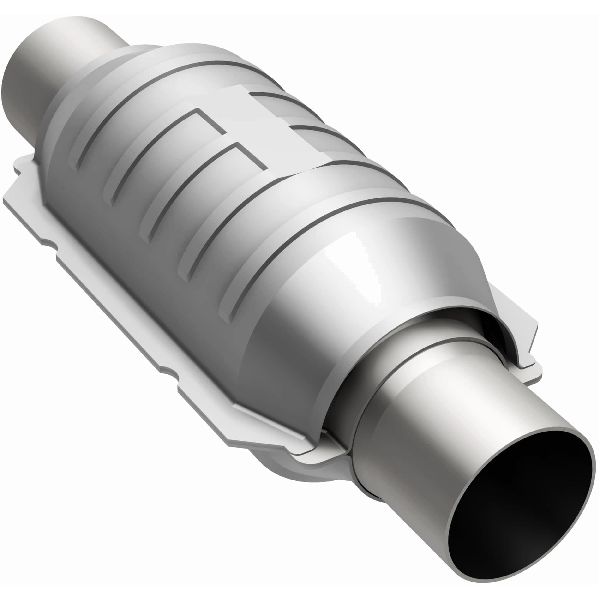
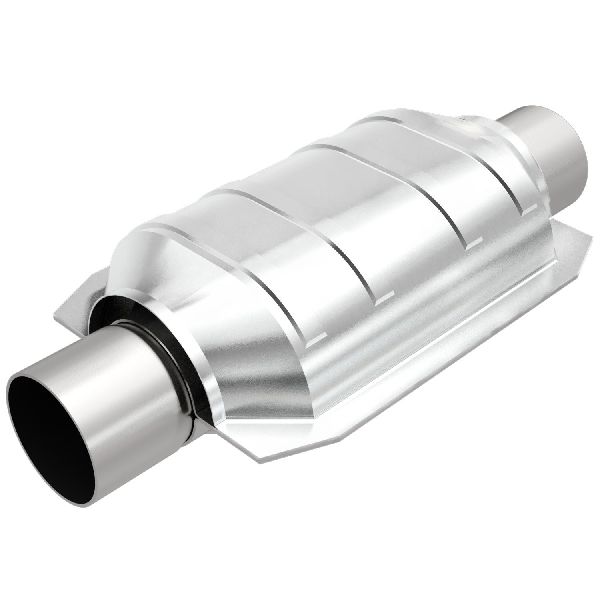
- Performance Tier (MagnaFlow): MagnaFlow is a well-regarded brand known for high-quality stainless steel construction and a design that can improve exhaust flow, potentially increasing power. They are often more expensive but are a popular choice for enthusiasts and those looking for a long-lasting, performance-oriented replacement.
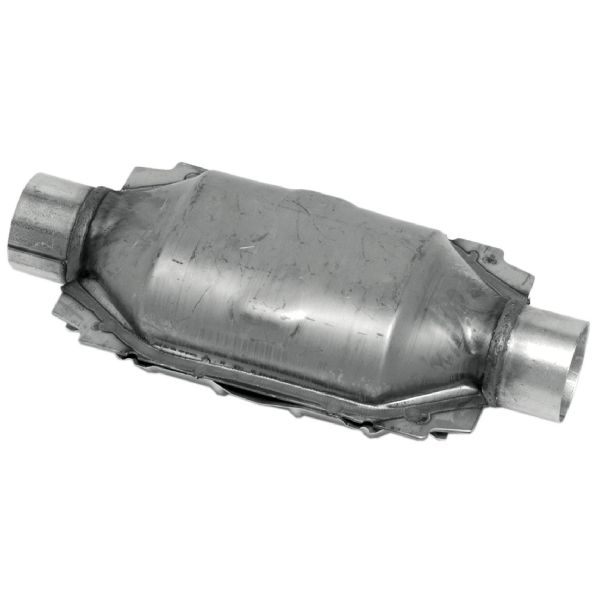
- Standard Replacement Tier (Walker Exhaust): Walker is a trusted name for standard, reliable replacement parts. They offer a good balance of quality and affordability, focusing on meeting or exceeding EPA emissions requirements to keep the check engine light off. They are a solid choice for daily drivers who need a dependable fix without the performance price tag.
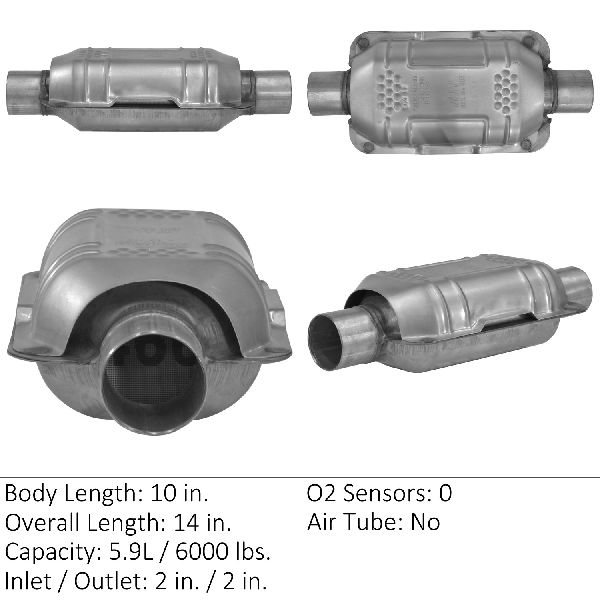
- Economy Tier (AP Exhaust, Eastern Catalytic, Original Performance): These brands provide more budget-friendly options. They are designed to get your car to pass emissions and function correctly at a lower price point. While they meet federal EPA standards, they may not have the same robust construction or longevity as premium brands.
Federal vs. CARB Compliance
Always check your local emissions laws. Most states follow federal EPA standards. However, if you live in California, New York, Maine, or Colorado, you will need a more expensive converter that is compliant with the California Air Resources Board (CARB). Installing a non-compliant part will result in a failed emissions test.
Cost of Replacing a 1995-1999 Mitsubishi Eclipse Catalytic Converter
| Part Type | Estimated Cost |
|---|---|
| New Aftermarket (Federal/EPA) | $74 - $503 |
| New OEM | Discontinued |
| Used OEM (Scrap/Recycled) | $64 - $160 |
| Shop Labor | $70 - $130 |
Frequently Asked Questions
Can I replace the catalytic converter myself?
Yes, this is a DIY-feasible job for someone with mechanical experience, especially if you use a direct-fit part. The main challenge is often dealing with rusted bolts. You will need to safely raise the vehicle, allow the exhaust to cool completely, and have tools like wrenches, penetrating oil for rusted bolts, and possibly a torque wrench. The converter is located in the middle of the exhaust system and is typically bolted in place.
Do I need a direct-fit or universal converter?
A direct-fit converter is designed to bolt on without modification, making it much easier for a DIY installation. A universal converter is cheaper but will require cutting the old unit out and welding or clamping the new one in, which is best left to a professional exhaust shop.
My Eclipse is turbocharged (GST/GSX). Does that matter?
Yes. While many standard replacement converters fit all models, the enthusiast community for the turbocharged 4G63 engine often opts for "high-flow" catalytic converters. These are designed to maximize exhaust flow for better turbo performance. Brands like STM offer high-flow cats specifically for the 2G DSM platform, but be aware they often require a 3-inch aftermarket downpipe and exhaust system to fit.
What is a P0420 code and how do I fix it?
P0420 stands for "Catalyst System Efficiency Below Threshold (Bank 1)." It means the oxygen sensor after the catalytic converter is detecting that the converter isn't cleaning the exhaust effectively. While this often means the converter has failed, the code can also be triggered by an exhaust leak or a bad oxygen sensor. Always diagnose the root cause before replacing the converter.
Were there any recalls for the 2G Eclipse converter?
No recalls were found for the catalytic converter on the 1995-1999 Mitsubishi Eclipse. Searches on the NHTSA database did not show any recalls for this specific component and model year range.
Helpful Videos
Technical Specifications
OEM Part Numbers: MD130977 MB924075 MB906628 MR239755
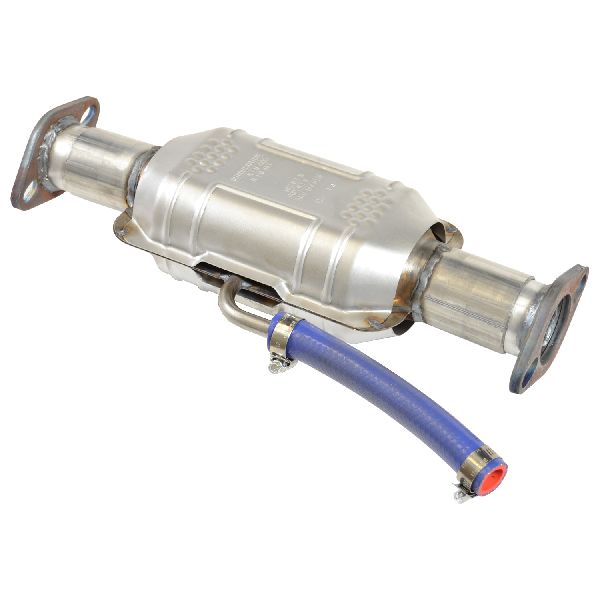
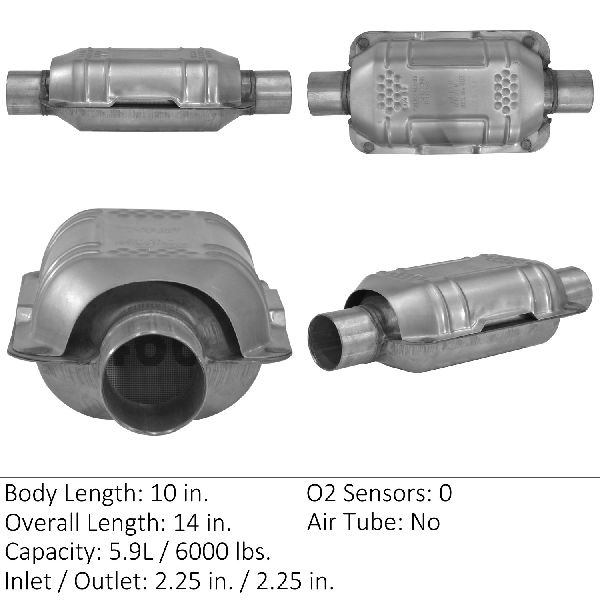
The 1995-1999 Eclipse uses a single undercar catalytic converter. It is a flanged, bolt-in unit on most models. There is one oxygen sensor port before the converter and one after. The physical dimensions and flange configuration are the same for FWD and AWD models, though some aftermarket parts may have different hanger placements.
We Have This Part in Stock

The information in this article is provided for general reference and educational purposes only. Vehicle specifications, procedures, and part compatibility can vary by production date, trim level, and region. Always consult your vehicle's factory service manual and verify part numbers before purchasing or performing repairs. Safety-critical components such as airbags, seat belts, and braking systems should be installed by a qualified professional.
- Mitsubishi Eclipse:
- 🎬 Helpful Videos
- 🛍️ Shop This Part
- Is Your Eclipse's Catalytic Converter Failing?
- Key Symptoms of a Bad Converter:
- Don't Ignore a P0420 Code
- Choosing the Right Aftermarket Converter
- Aftermarket Brand Tiers for Your Eclipse:
- Federal vs. CARB Compliance
- Cost of Replacing a 1995-1999 Mitsubishi Eclipse Catalytic Converter
- Frequently Asked Questions
- 🎟️ Get 5% Off