

A Mechanic's Guide to 1995-1999 Mitsubishi Eclipse Engine Mounts
Stop the shaking and improve performance by choosing the right engine mounts for your 2G Eclipse.
- Decide between comfort (rubber mounts) and performance (polyurethane mounts). Polyurethane will significantly increase cabin vibration.
- Verify the correct mounts for your engine. The non-turbo 420A and turbo 4G63T engines use different main mounts.
- If one mount is bad, the others are likely worn. Plan to inspect all mounts and replace them as a set for the best results.
- This is a DIY-friendly job if you have a jack and basic tools, but the rear and transmission mounts can be challenging to access.
Symptoms of a Bad Engine Mount on a 2G Eclipse
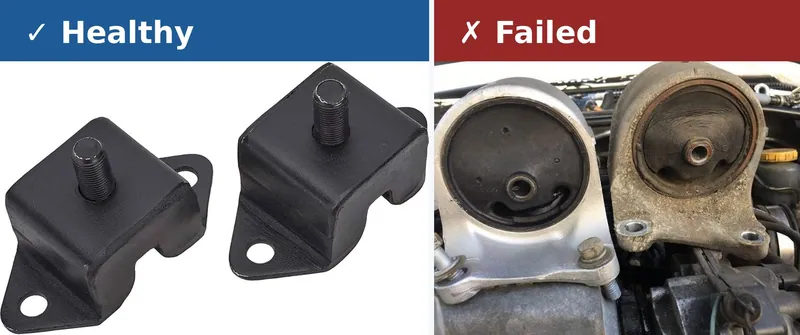
Worn engine mounts on a second-generation Eclipse make themselves known pretty clearly. Because these cars are known for being tough on their mounts, you'll likely experience one or more of these signs.
- Excessive Vibration: This is the most common symptom. You'll feel a deep vibration through the steering wheel, seats, and dashboard, especially when the engine is idling in gear.
- Loud Noises: A loud "clunk" or "bang" when you accelerate, brake hard, or shift from Park to Drive is a classic sign. This is the sound of the engine physically shifting and hitting its limits because the mount can no longer hold it steady.
- Visible Engine Movement: Open the hood and have a helper briefly rev the engine while the car is in park with the brake on. If you see the engine lurch or twist excessively, your mounts are worn. A little movement is normal, but more than an inch or two is a problem. 🎬 Watch: How to locate and diagnose a failing engine mount.
Engine Differences Matter
The 1995-1999 Eclipse came with two different engines. The non-turbo RS and GS models have a Chrysler-made 420A engine. The turbo GS-T and GSX models have the Mitsubishi 4G63T engine. The main engine and transmission mounts are NOT interchangeable between these two. However, the front and rear roll-stopper mounts are often the same. Always verify the fitment for your specific model.
Choosing the Right Aftermarket Mounts for Your Eclipse
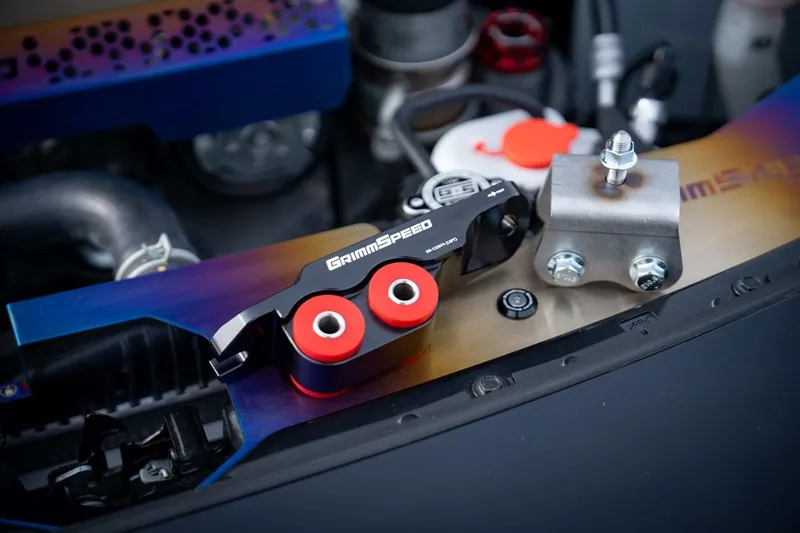
For a car this age, aftermarket mounts are your main option. You have a clear choice to make between comfort and performance.
Tier 1: Standard Replacement (Rubber)
Brands: Anchor, DEA, Westar
These mounts are designed to be direct replacements for the original factory parts. They use soft rubber to absorb as much vibration as possible, giving you a comfortable ride like the car had when it was new. They are the most affordable option. However, forum discussions among Eclipse owners suggest that the quality of these standard aftermarket brands can be inconsistent, and they may not last as long as the original parts or performance upgrades.
- Best for: Daily drivers where comfort is the top priority and cost is a major factor.
- Pros: Low cost, smooth and quiet operation.
- Cons: May not be as durable, especially on modified or hard-driven cars.
Tier 2: Performance Upgrade (Polyurethane)
Brands: Energy Suspension, Prothane
This is a very popular upgrade for the 2G Eclipse community. Instead of soft rubber, these mounts use stiff polyurethane inserts or are made of solid polyurethane. This material drastically reduces engine movement, which helps prevent wheel hop and provides better throttle response. The trade-off is a significant increase in noise, vibration, and harshness (NVH) felt inside the car. Many owners feel the performance gain is worth the loss of comfort. Prothane is generally considered to be a stiffer material than Energy Suspension.
🎬 See this walkthrough for installing performance polyurethane mounts.- Best for: Performance-oriented drivers, modified cars (especially turbo models), and anyone who wants maximum durability.
- Pros: Greatly improved performance and throttle response, very durable.
- Cons: Transmits a lot of engine vibration and noise into the cabin.
Pro Tip: If one of your engine mounts has failed, the others are likely worn as well. It's a good practice to inspect all of them and consider replacing them as a set to ensure proper engine alignment and prevent future failures.
Cost of Replacing 1995-1999 Eclipse Engine Mounts

| Part Type | Estimated Cost |
|---|---|
| New Aftermarket Mount (Single, Standard) | $20 - $50 |
| New Aftermarket Mount (Single, Polyurethane) | $30 - $80 |
| New Aftermarket Mount Kit (All Mounts) | $95 - $350 |
| Shop Labor Cost | $250 - $500 |
Note: Costs are estimates and can vary based on your location, vehicle model (420A vs. 4G63), and the specific parts chosen.
Frequently Asked Questions
Are there any recalls for 2G Eclipse engine mounts?
No, there are no specific recalls or technical service bulletins (TSBs) from Mitsubishi or the NHTSA regarding engine mount failure for the 1995-1999 Eclipse.
How hard is it to replace the engine mounts myself?
For a DIY mechanic, this job is manageable but can be time-consuming. It requires safely supporting the engine with a floor jack and a block of wood. Some mounts, like the rear and transmission mounts, can be difficult to access. It's recommended to leave the new mount bolts slightly loose until all mounts are installed to help with alignment.
🎬 Watch: Step-by-step guide for replacing engine and transmission mounts.Should I get rubber or polyurethane mounts?
If your Eclipse is a daily driver and you value a quiet, comfortable ride, stick with standard rubber mounts. If you have a performance car, especially a turbo model, and want better throttle response and reduced wheel hop, polyurethane is the better choice, but be prepared for a lot more vibration in the cabin.
Will new mounts fix my car's wheel hop?
Yes, upgrading to stiffer polyurethane mounts is very effective at reducing wheel hop in these front-wheel-drive and all-wheel-drive cars. By preventing the engine from rocking back and forth, the power is transferred to the wheels more smoothly.
Helpful Videos
Technical Specifications
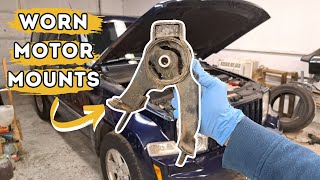
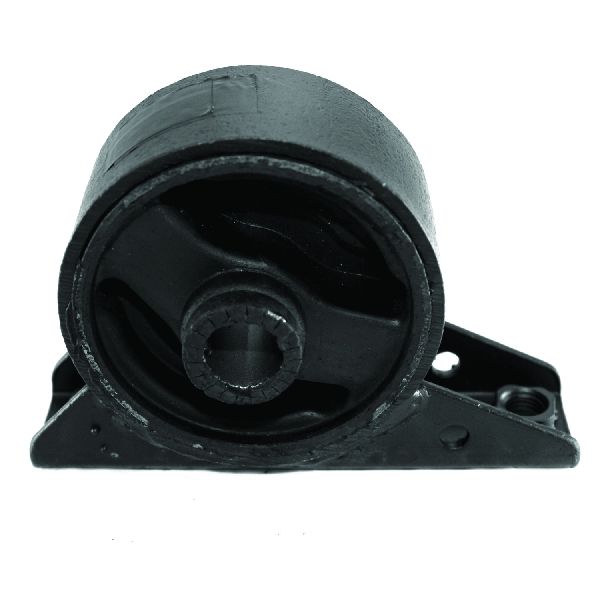
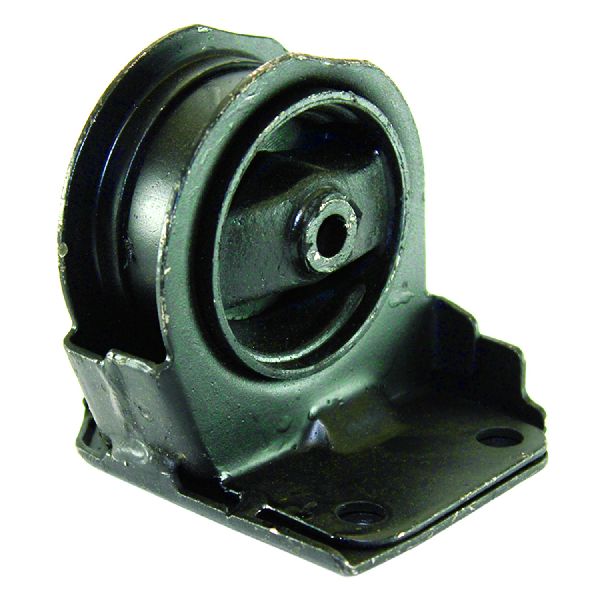
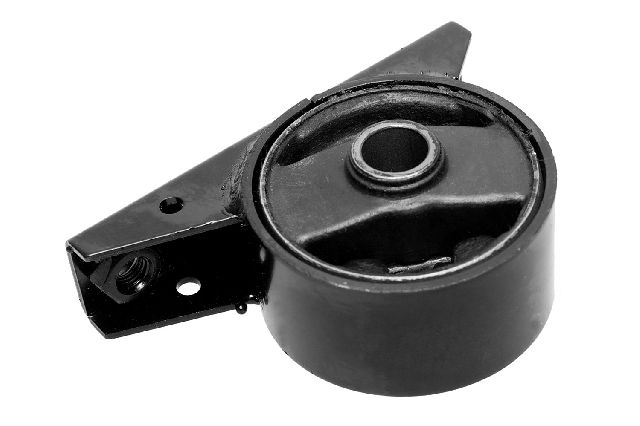
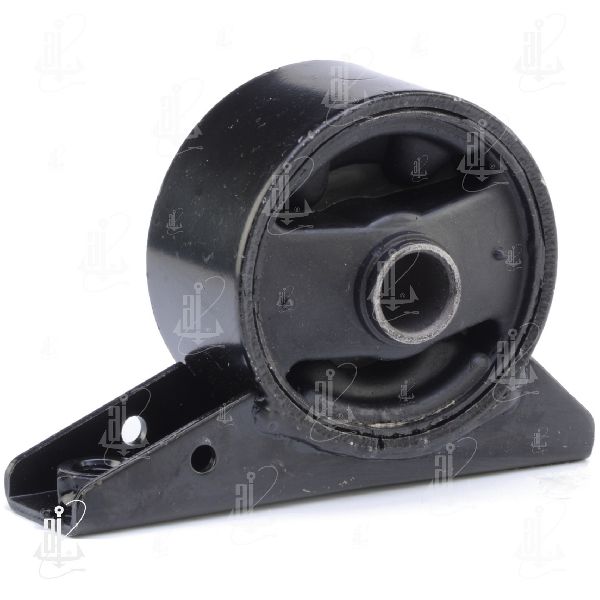
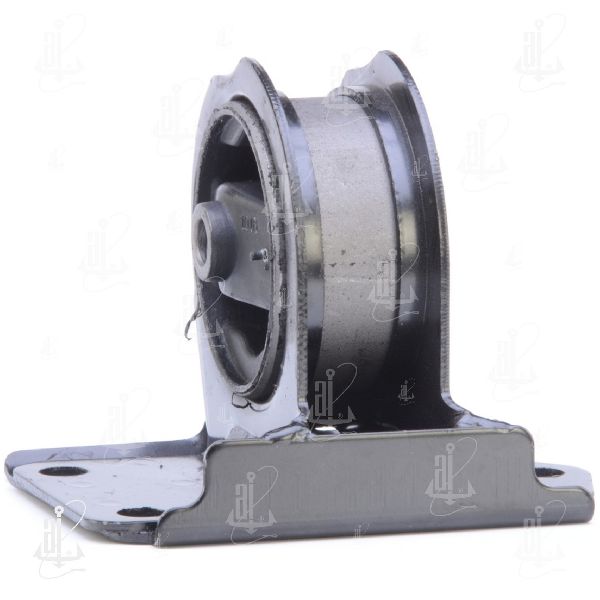
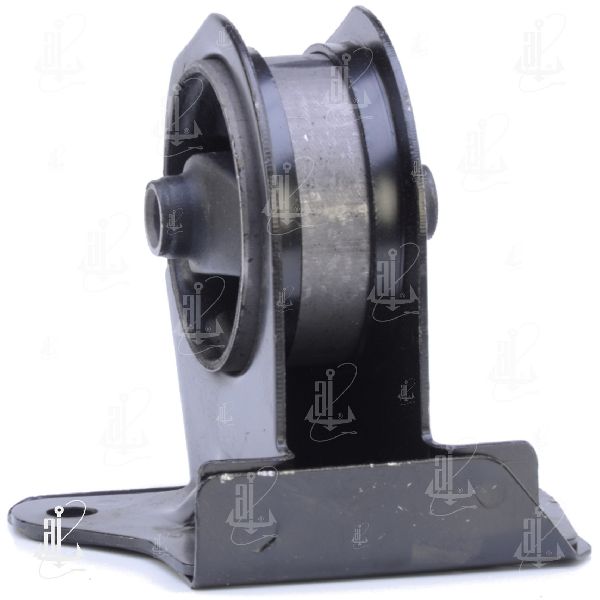
Vehicle has four main mounts: front roll stopper, rear roll stopper, driver-side engine mount, and passenger-side transmission mount. Mounts differ between 420A (non-turbo) and 4G63T (turbo) engines.
We Have This Part in Stock

The information in this article is provided for general reference and educational purposes only. Vehicle specifications, procedures, and part compatibility can vary by production date, trim level, and region. Always consult your vehicle's factory service manual and verify part numbers before purchasing or performing repairs. Safety-critical components such as airbags, seat belts, and braking systems should be installed by a qualified professional.
- Mitsubishi Eclipse:
- 🎬 Helpful Videos
- 🛍️ Shop This Part
- Symptoms of a Bad Engine Mount on a 2G Eclipse
- Choosing the Right Aftermarket Mounts for Your Eclipse
- Tier 1: Standard Replacement (Rubber)
- Tier 2: Performance Upgrade (Polyurethane)
- Cost of Replacing 1995-1999 Eclipse Engine Mounts
- Frequently Asked Questions
- 🎟️ Get 5% Off