

A Practical Guide to Replacing the Oxygen Sensor on Your 1995-1999 Toyota Tercel
Fix your check engine light and restore lost fuel economy by choosing the right oxygen sensor for your Tercel.
- A failing oxygen sensor will trigger the Check Engine Light and hurt your gas mileage.
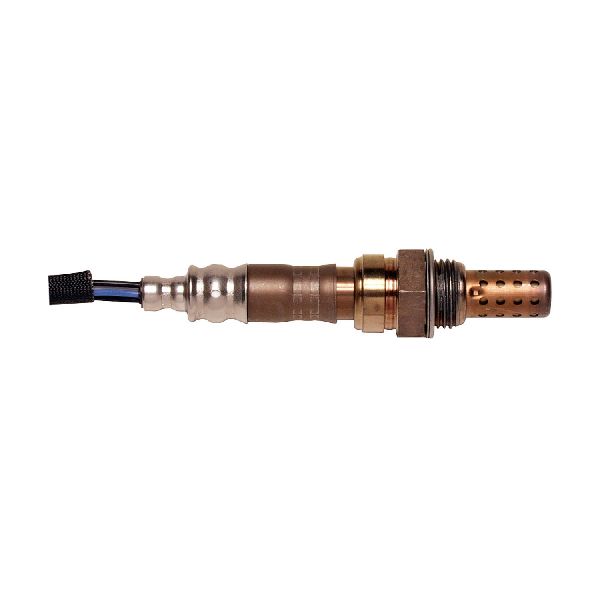
- Choose a direct-fit sensor from Denso or NGK for the best reliability and performance on your Tercel.
- This is an easy DIY repair that can be done in under an hour with a special O2 sensor socket.
- Ignoring a bad sensor can lead to failing an emissions test and damaging your catalytic converter.
Is Your Tercel's Oxygen Sensor Failing?
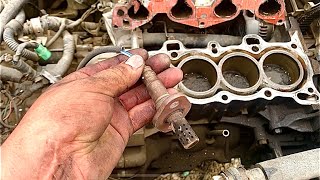
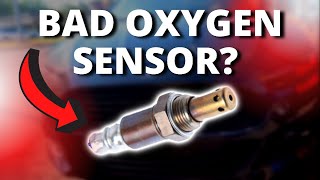
An oxygen sensor doesn't last forever and typically needs replacement on older vehicles. When it starts to fail, your car will give you clear signs. The most obvious symptom is the Check Engine Light illuminating on your dashboard. You might also notice your fuel economy getting worse than usual, a rough or shaky idle, and a general feeling of sluggishness or hesitation when you accelerate. In some cases, you may smell gasoline or a "rotten egg" odor from the exhaust. 🎬 Watch: A breakdown of common bad oxygen sensor symptoms. Ignoring a bad O2 sensor can eventually lead to a failed emissions test and potential damage to your catalytic converter, which is a much more expensive repair.
Choosing the Right Aftermarket O2 Sensor
For a 1995-1999 Tercel, you don't need to buy an expensive part from the dealership. High-quality aftermarket brands offer excellent performance and value. The key is to choose a reputable brand known for compatibility with Toyota vehicles.
- Top Tier (OEM-Equivalent): Denso is the original equipment manufacturer for Toyota, meaning they made the sensor that was in your car when it left the factory. Choosing a Denso aftermarket sensor is the closest you can get to the original part and is highly recommended for a perfect fit and long-term reliability. NGK (also sold under the brand name NTK) is another top-tier Japanese brand that is well-regarded and considered an excellent choice for Toyotas.
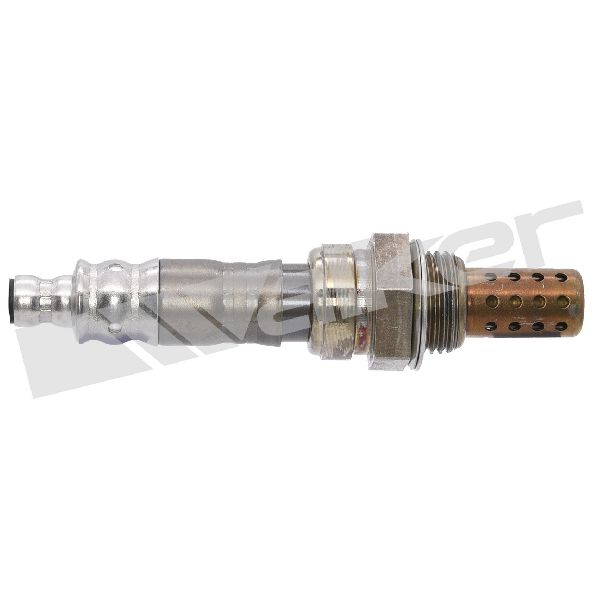
- Quality Mid-Tier: Bosch is a well-known brand that invented the modern oxygen sensor. While they are a major OEM supplier for many car brands, their aftermarket sensors have mixed reviews for Japanese vehicles. They are generally a reliable option but most Toyota specialists prefer Denso or NGK. Brands like Delphi and Walker Products also fall into this category as established aftermarket manufacturers.
- Budget-Friendly: Brands like DriveWire and Spectra offer more affordable options. While functional, they may not have the same longevity or precise calibration as the top-tier brands. For a critical component like an O2 sensor, spending a little more on a Denso or NGK part is often a wise investment.
Upstream vs. Downstream Sensors
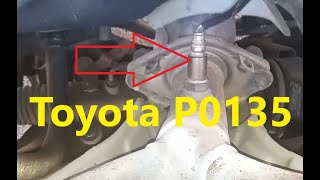
Your Tercel has two oxygen sensors. The upstream sensor (Sensor 1) is located on the exhaust manifold before the catalytic converter and is critical for managing the engine's air-fuel mixture. The downstream sensor (Sensor 2) is located after the catalytic converter and its main job is to monitor the converter's efficiency. The Check Engine Light code will tell you which sensor has failed. P0135, for example, refers to the upstream sensor (Bank 1, Sensor 1).
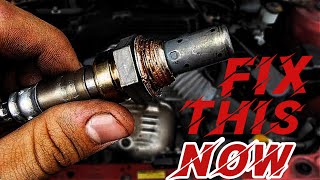
🎬 See how to diagnose and fix a P0135 code.Estimated Replacement Costs
Replacing an oxygen sensor is a common repair. Below are typical cost ranges you can expect. Labor costs at a professional shop are generally low for this job.
| Item | Estimated Cost |
|---|---|
| New Aftermarket O2 Sensor | $25 - $128 |
| Shop Labor | $98 - $145 |
| Total Professional Replacement | $220 - $385 |
A Note on Universal Sensors
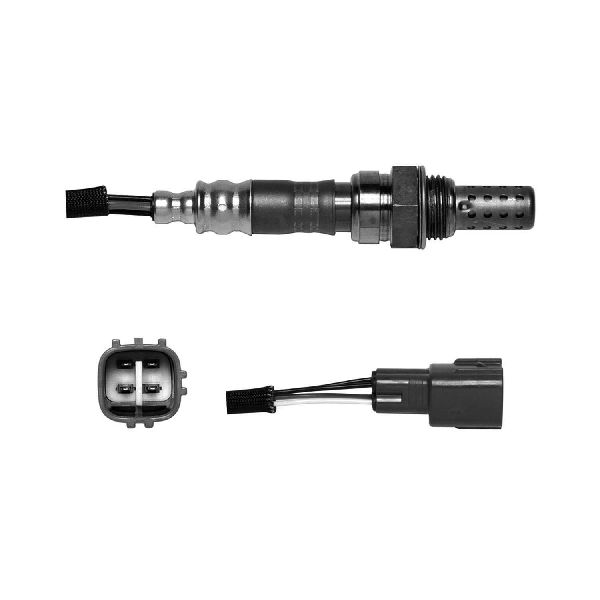
You will find "universal" oxygen sensors that are cheaper but require you to cut your old sensor's plug and splice it onto the new sensor. While this saves money, it creates a potential point of failure. It is strongly recommended to buy a "direct-fit" sensor that comes with the correct plug already attached.
Frequently Asked Questions
How many oxygen sensors does a 1995-1999 Tercel have?
Tercels from this generation that are OBD-II compliant (1996 and newer) have two oxygen sensors: one upstream (before the catalytic converter) and one downstream (after the converter). Some 1995 models (OBD-I) may only have a single upstream sensor. Your specific model and emissions configuration (Federal vs. California) will determine the exact number.
Can I replace the oxygen sensor myself?
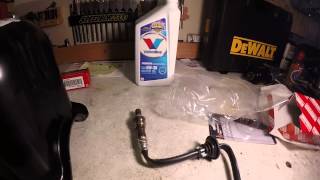
Yes, this is a very DIY-friendly job, even for a beginner. The sensors are usually accessible, and the process involves unplugging the electrical connector and unscrewing the old sensor. 🎬 Watch this walkthrough for replacing a downstream O2 sensor. The most difficult part is often breaking the old sensor free if it's rusted in place. Using a penetrating lubricant beforehand helps greatly.
Do I need a special tool to replace an O2 sensor?
A special tool called an "oxygen sensor socket" is highly recommended. It looks like a deep socket with a slot cut down the side to accommodate the sensor's wire. This tool makes the job much easier. You can often rent one from an auto parts store or buy one for a low price.
Can I clean my old oxygen sensor?
While there are methods online for cleaning an O2 sensor, it is generally not a reliable or long-term fix. The sensor's internal components wear out over time, and cleaning will not restore them. Given the affordable cost of a new, high-quality aftermarket sensor, replacement is the best course of action.
Helpful Videos

Technical Specifications
OEM Part Numbers: 89465-19675 89465-19595 89465-16050
Number of Sensors: Typically two (one upstream, one downstream) for 1996-1999 models. One (upstream) for some 1995 models.
We Have This Part in Stock


The information in this article is provided for general reference and educational purposes only. Vehicle specifications, procedures, and part compatibility can vary by production date, trim level, and region. Always consult your vehicle's factory service manual and verify part numbers before purchasing or performing repairs. Safety-critical components such as airbags, seat belts, and braking systems should be installed by a qualified professional.
- Toyota Tercel: