

A Guide to the Engine Intake Manifold Gasket Set for the 1997-2000 Chevrolet Malibu 3.1L V6
If you own a V6 Malibu from this era, it's not a question of if your intake gasket will fail, but when; here's how to choose the right replacement.
- This failure is extremely common on the 3.1L V6; it is a matter of 'when', not 'if'.
- Immediately check your oil for a milky appearance if you suspect a leak; driving with coolant in the oil will ruin the engine.
- Always choose an upgraded aftermarket gasket set with a metal (steel or aluminum) frame for a permanent repair.
- Due to the high labor cost, consider replacing the thermostat and valve cover gaskets at the same time.
The Notorious 3.1L V6 Intake Gasket Problem
The 1997-2000 Chevrolet Malibu with the 3.1L V6 engine has a well-known, widespread issue with its lower intake manifold (LIM) gaskets. The original factory gaskets were made with a plastic or nylon frame that is prone to cracking and degrading over time. This problem was often made worse by the factory-specified Dex-Cool antifreeze, which could accelerate the breakdown of the gasket material. When the gasket fails, it allows coolant to leak. This can lead to engine overheating or, in the worst-case scenario, coolant mixing with the engine oil, which will destroy the engine if not addressed immediately.
Check Your Oil Immediately
If you suspect a gasket leak, check your oil dipstick and the underside of your oil filler cap. If you see a milky, frothy, or coffee-with-cream-colored substance, coolant is mixing with your oil. Do not continue to drive the vehicle, as this will lead to severe engine damage.
Symptoms of a Failing Intake Manifold Gasket
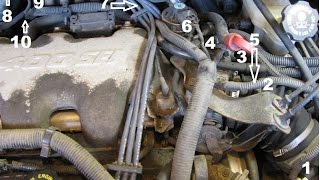
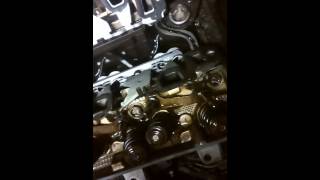
Watch for these signs. 🎬 Watch: A visual guide to identifying bad intake gasket symptoms. An internal leak can develop suddenly with little warning.
- Unexplained Coolant Loss: You frequently have to top off your coolant, but you don't see any puddles under the car. This could be a slow internal leak.
- Engine Overheating: Low coolant levels from a leak will cause the engine to run hot or overheat.
- Milky Oil: As mentioned above, this is the classic sign of coolant contaminating the engine oil.
- White Smoke from Exhaust: Coolant being burned in the combustion chambers will produce sweet-smelling white smoke from the tailpipe.
- External Coolant Leak: You may see coolant seeping from the area where the cylinder heads meet the engine block, often near the front of the engine.
- Rough Idle or Hissing Sounds: If the gasket fails in a way that causes a vacuum leak, you might hear a hissing noise or experience a rough, unstable idle.
OEM vs. Aftermarket: Choosing the Right Gasket Set
This is one of the rare cases where you should actively avoid a direct OEM-style replacement unless it is the updated design. The original plastic design is flawed. The best solution is an aftermarket gasket set that uses a metal carrier frame (typically aluminum or steel) instead of plastic. This design is far more durable and resistant to heat and coolant, providing a long-term fix for the original problem.
| Brand Tier | Description & Brands | Price Range |
|---|---|---|
| BEST (Problem-Solver Design) | These kits feature the upgraded metal-core gasket design for maximum durability. They are the recommended fix. Brands like Victor Gaskets and modern ACDelco kits typically offer this improved design. | $50 - $155 |
| BETTER (Quality Standard Replacement) | These are quality gaskets from reputable brands that may or may not feature the metal core. Brands like Reinz and Apex fall into this category. Verify the construction before purchasing if you want the metal frame. | $25 - $75 |
| GOOD (Basic Replacement) | This tier includes the most affordable gasket sets. While they will function, they are more likely to use the older composite/plastic design. They will work but may not provide the same longevity as a metal-frame gasket. | $8 - $25 |
What Else Should I Replace?
Since this is a labor-intensive job, it's smart to replace other accessible parts at the same time. Plan on a full oil change and coolant flush. Also consider replacing the thermostat, valve cover gaskets, and PCV valve while you have everything apart.
Frequently Asked Questions (FAQ)
Is this a known issue or recall?
This is a very well-known issue, but there was never an official safety recall. GM did issue Technical Service Bulletins (TSBs) to dealers outlining the repair procedure, such as TSB #03-06-01-010B. The problem was also the subject of class-action lawsuits.
Why is a metal-frame gasket better than the original plastic one?
The original plastic gasket frame becomes brittle and warps from the engine's heat cycles and exposure to coolant. A metal frame, usually steel or aluminum, is much more rigid and stable, preventing it from deforming and ensuring the rubber seals stay firmly in place for a much longer time.
Can I do this replacement myself?
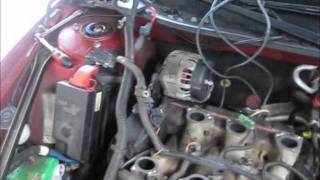
This is a challenging job for a beginner but is achievable for an experienced DIY mechanic. It requires significant disassembly of the top part of the engine, including the fuel rail and pushrods. It is critical to keep the pushrods in their original order for reinstallation. If you are not comfortable with a job of this complexity, it is best left to a professional shop.
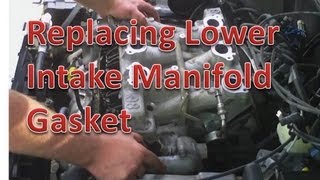
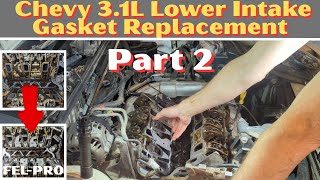
🎬 See this full walkthrough of the lower intake gasket replacement.Do I have to use Dex-Cool coolant after the repair?
While modern gaskets are designed to be compatible with Dex-Cool, many mechanics and owners choose to flush the system and switch to a universal long-life or traditional 'green' coolant after this repair. The most important thing is to completely flush the old coolant out before adding a different type, as mixing them can cause sludging issues.
Helpful Videos
Technical Specifications
OEM Part Numbers: 89017117 12480824
Fits 3.1L (189 CID) V6 OHV Engine (VIN 'J'). Look for kits that include both upper and lower intake gaskets, O-rings, and RTV sealant. Metal-core lower gaskets are highly recommended.
We Have This Part in Stock


The information in this article is provided for general reference and educational purposes only. Vehicle specifications, procedures, and part compatibility can vary by production date, trim level, and region. Always consult your vehicle's factory service manual and verify part numbers before purchasing or performing repairs. Safety-critical components such as airbags, seat belts, and braking systems should be installed by a qualified professional.
- Chevrolet Malibu: