

Chrysler Sebring Transmission Output Speed Sensor Guide (1995-2000)
If your Sebring's speedometer is acting up or the transmission is shifting hard, this sensor is a likely culprit.
- Symptoms often mimic serious transmission failure but are usually just a bad sensor.
- A faulty alternator can cause identical symptoms; test your charging system before replacing the sensor.
- Replacement is a simple, low-cost DIY job that requires basic tools and less than an hour.
- Aftermarket sensors from reputable brands like NGK or Standard Ignition are reliable choices for this repair.
Is Your Sebring's Transmission Acting Strange?
A failing output speed sensor is a common problem on first-generation Chrysler Sebrings that can cause confusing issues. Because this one sensor feeds speed information to different systems, its failure can seem like a major transmission problem when it's actually a simple fix. Knowing the signs can help you diagnose the problem correctly and avoid unnecessary repairs.
Symptoms of a Bad Output Speed Sensor
When this sensor fails, your car's computer gets bad information, leading to several noticeable problems:
- Erratic or Dead Speedometer: The most common sign is a speedometer that bounces around, shows the wrong speed, or doesn't move at all.
- Harsh Shifting & Limp Mode: The transmission may shift very hard, delay shifts, or get stuck in one gear (usually 2nd), a condition known as "limp mode." This is a safety feature to prevent damage when the transmission loses the speed signal.
- Check Engine Light: A faulty sensor will almost always trigger the Check Engine Light. You will likely find diagnostic trouble code P0720 (Output Speed Sensor Circuit Malfunction) or the more general P0700 (Transmission Control System Malfunction).
- Cruise Control Failure: The cruise control will not work because it doesn't have a reliable speed signal to follow.
Pro Tip: Check Your Alternator First!
Before you replace the speed sensor, check your alternator. A failing alternator can create electrical "noise" that interferes with the sensor's signal, causing the exact same symptoms like a bouncing speedometer. If you also have dimming lights, a weak battery, or hear a whining noise from the engine, get your charging system tested first.
Choosing the Right Aftermarket Sensor
For a vehicle like the 1995-2000 Sebring, an aftermarket sensor is a cost-effective choice that usually performs well. While some Chrysler vehicles can be sensitive to non-OEM electronics, this is less of a concern for this specific sensor. Aftermarket brands can be grouped into tiers:
- Premium Aftermarket (NGK/NTK, Standard Ignition): Brands like NGK (under their NTK sensors line) and Standard Ignition (SMP) have a strong reputation for producing reliable sensors that meet or exceed OEM specifications. They are a trusted choice for many professional mechanics.
- Standard/Value Aftermarket (ATP, Pioneer Cable, Skyward, True Tech): These brands offer a balance of affordability and function. For an older vehicle, they provide a perfectly adequate repair to get you back on the road without the higher cost of premium or OEM parts.
Typical Replacement Costs
Replacing the output speed sensor is an affordable repair, especially if you do it yourself.
| Part Type | Price Range |
|---|---|
| New Aftermarket | $13.98 - $85.11 |
| New OEM (Mopar) | $75 - $160 |
| Shop Labor | $90 - $180 |
Frequently Asked Questions (FAQ)
Can I replace the output speed sensor myself?
Yes, this is a great DIY job for a beginner. The sensor is located on the outside of the transmission, usually toward the driver's side wheel. You will need to disconnect the wire, then use a 1-inch socket or wrench to unscrew the old sensor. Sometimes removing the air filter box gives you more room to work. The whole job typically takes less than an hour.
Where is the output speed sensor located?
On the 1995-2000 Sebring, the output speed sensor is threaded into the transmission case. It is located on the outside of the transmission, closer to the driver's side tire. It is distinct from the input speed sensor, which is located closer to the engine.
What's the difference between the input and output speed sensors?
Your Sebring's transmission has two main speed sensors. The input sensor measures the speed of the transmission's input shaft (how fast it's being spun by the engine). The output sensor measures the output shaft's speed (how fast power is being sent to the wheels). The output sensor is the one responsible for speedometer readings and is the common cause of the symptoms described in this article.
Are there any recalls for this sensor?
No. A search of the National Highway Traffic Safety Administration (NHTSA) database shows no safety recalls for the automatic transmission speed sensor on the 1995-2000 Chrysler Sebring.
Technical Specifications
OEM Part Numbers: 4800879 4412879
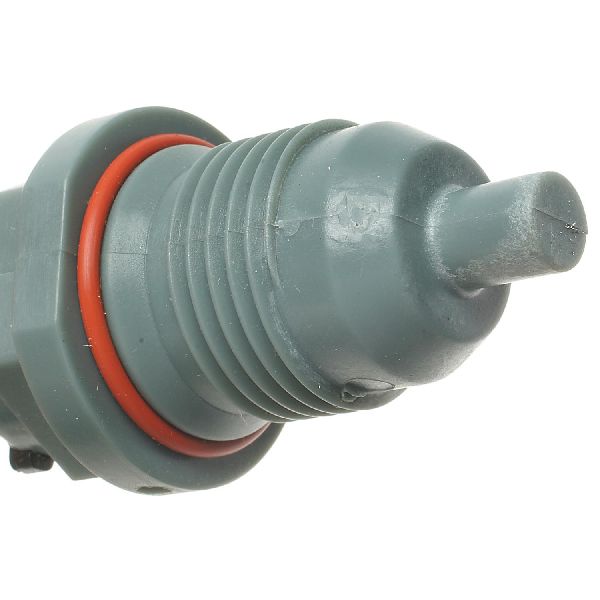
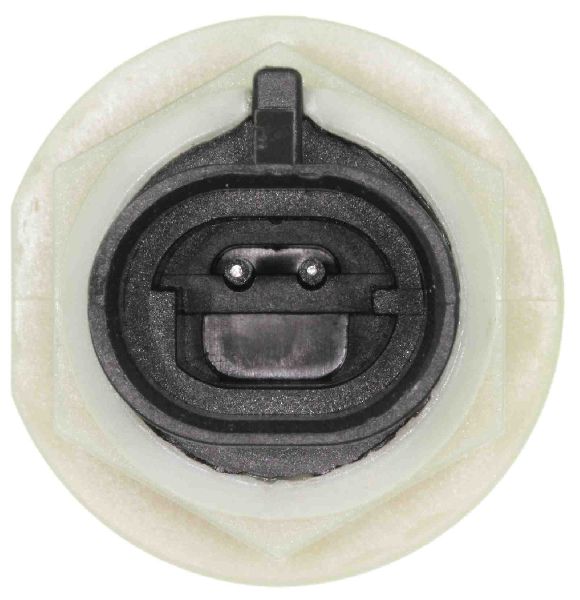
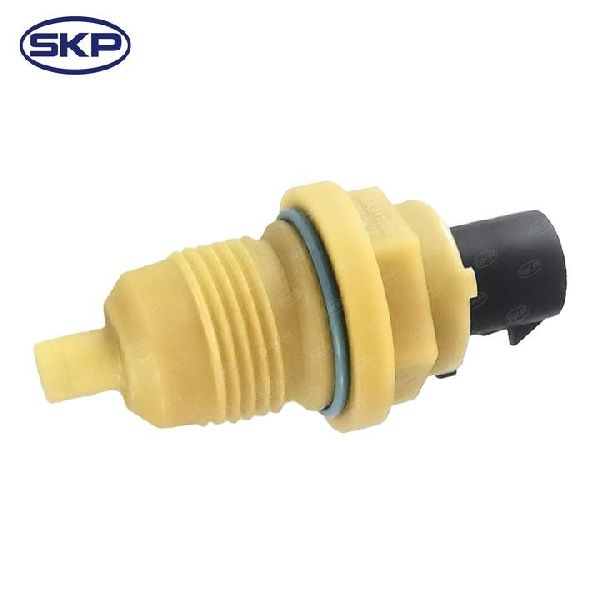
The sensor is a two-wire magnetic pickup that threads into the transmission case and is sealed with an O-ring. It requires a 1-inch socket for removal and installation.
We Have This Part in Stock


The information in this article is provided for general reference and educational purposes only. Vehicle specifications, procedures, and part compatibility can vary by production date, trim level, and region. Always consult your vehicle's factory service manual and verify part numbers before purchasing or performing repairs. Safety-critical components such as airbags, seat belts, and braking systems should be installed by a qualified professional.
- Chrysler Sebring: