

A Guide to the Brake Master Cylinder for the 1995-2000 Chrysler Sebring
If your brake pedal feels soft or sinks to the floor, your master cylinder is likely the problem.
- A soft, spongy, or sinking brake pedal is the number one sign of a failing master cylinder and is a critical safety issue.
- For a 1995-2000 Sebring, a new aftermarket master cylinder is the standard, most cost-effective repair.
- No specific recalls or TSBs exist for this part; failures are due to age and normal wear.
- Properly bleeding the new master cylinder before installation (bench bleeding) and the entire brake system after is mandatory for safe operation.
Symptoms of a Failing Brake Master Cylinder
A master cylinder usually gives warning signs before it fails completely. Paying attention to how your brake pedal feels is the best way to catch a problem early. A bad master cylinder is a critical safety issue that should be addressed immediately.
- Spongy or Sinking Brake Pedal: This is the most common and serious symptom. The pedal feels soft, mushy, or slowly sinks towards the floor when you hold it down at a stoplight. This means fluid is likely leaking past worn-out seals inside the cylinder instead of building pressure.
- Brake Warning Light: The brake light on your dashboard may turn on. This is often triggered by a low brake fluid level sensor in the master cylinder's reservoir.
- Contaminated Brake Fluid: New brake fluid is clear or light gold. If the fluid in your reservoir looks dark, murky, or has black specks, it's a sign that the rubber seals inside the master cylinder are breaking down and contaminating the fluid.
- Car Pulls to One Side: If the master cylinder isn't distributing pressure evenly, one side of your car may brake harder than the other, causing the vehicle to pull left or right when you brake.
Safety First: Do Not Drive
If you are experiencing a sinking brake pedal or any other major symptom of master cylinder failure, it is extremely unsafe to drive the vehicle. Have it towed to a repair shop or your home for repair.
Choosing the Right Aftermarket Part for Your Sebring
For a vehicle from the 1995-2000 model years, finding a new OEM (Original Equipment Manufacturer) master cylinder from Chrysler is difficult and expensive. The good news is that aftermarket parts are widely available, affordable, and are the standard repair for cars of this age. Reputable aftermarket brands provide reliable performance for daily driving.
Aftermarket Brand Options
When shopping for your Sebring, you will likely encounter these brands. All are considered reliable options for a stock replacement.
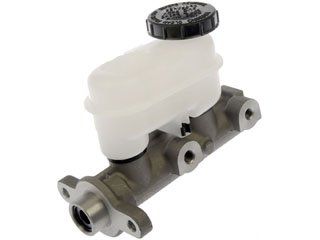
- Dorman: A very common aftermarket brand known for making a huge variety of parts. Their hydraulic components are generally considered reliable and they are known for sometimes improving on the original factory designs.
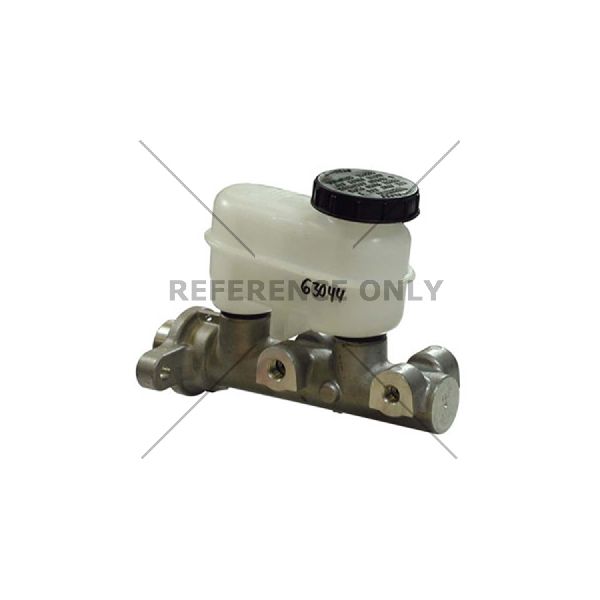
- Centric: A well-regarded brand in the brake industry, often seen as providing a good balance of quality and affordability. They are a popular choice for daily driver repairs.
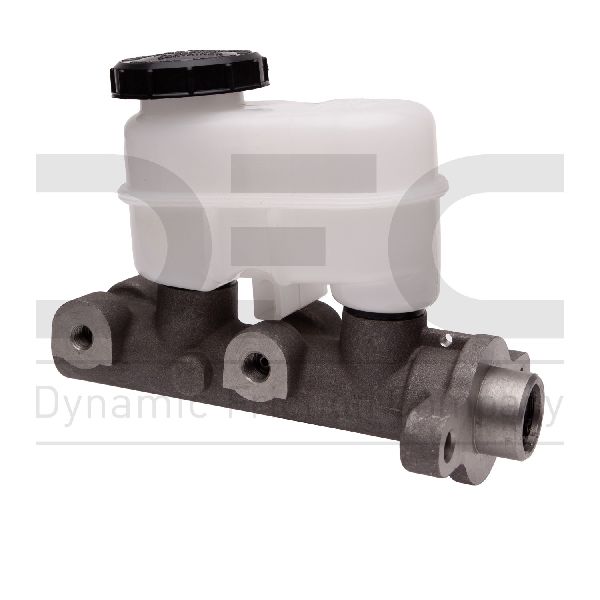
- Dynamic Friction: This brand has a strong reputation, particularly for brake pads and performance applications. Their standard components are considered a solid choice for everyday use.
Pro Tip: Bench Bleed Your New Master Cylinder
Before installing the new master cylinder in your car, you must "bench bleed" it. This process removes air from inside the new cylinder. Most new parts come with a kit and instructions for this. Skipping this step will make it very difficult, if not impossible, to get a firm brake pedal later.
Known Issues, Recalls, or TSBs
For the 1995-2000 Chrysler Sebring, there are no specific recalls or Technical Service Bulletins (TSBs) from the NHTSA related to the brake master cylinder. Failures on these vehicles are typically due to the part's age and normal wear and tear on the internal seals over many years and miles.
Frequently Asked Questions (FAQ)
What's the difference between a bad master cylinder and a bad brake booster?
A bad master cylinder usually causes a soft, spongy, or sinking pedal. A bad brake booster, which assists you in pressing the pedal, typically causes the opposite: a very hard and difficult-to-press brake pedal.
Can I just add more brake fluid if the reservoir is low?
You should top off the fluid, but a low level means there is a problem. The brake system is a sealed hydraulic system; it does not consume fluid. A low level means you have a leak somewhere (the master cylinder is a common culprit) or your brake pads are worn very thin.
Do I need to replace the reservoir with the master cylinder?
Many new aftermarket master cylinders come with a new reservoir and fluid level sensor already attached. If your new part does not include one, you can typically transfer your old reservoir to the new cylinder, but be sure to clean it thoroughly and inspect it for cracks.
Is replacing a master cylinder a DIY job?
If you have experience with auto repair and own the right tools, including a set of flare nut wrenches, it is a manageable DIY job. The most critical steps are bench bleeding the new part and then bleeding the entire brake system at all four wheels after installation to remove all air. If you are not comfortable with this, it's best to have a professional mechanic do the work.
Technical Specifications
OEM Part Numbers: 4764019
Varies by model (coupe vs. sedan/convertible) and presence of ABS. Always verify the exact fit for your vehicle's sub-model and options before ordering. Common bore sizes are 15/16 inch (0.938") and 1 inch.
We Have This Part in Stock

The information in this article is provided for general reference and educational purposes only. Vehicle specifications, procedures, and part compatibility can vary by production date, trim level, and region. Always consult your vehicle's factory service manual and verify part numbers before purchasing or performing repairs. Safety-critical components such as airbags, seat belts, and braking systems should be installed by a qualified professional.
- Chrysler Sebring: