

Chrysler Sebring Oxygen Sensor Guide: 1995-2000 Models
Solving check engine lights and poor fuel economy starts with the right oxygen sensor for your Sebring.
- First, confirm if your Sebring is a coupe (Mitsubishi-based) or convertible (Chrysler-based) as the parts are different.
- Choose an OEM-equivalent brand like Denso or NGK/NTK for the best reliability and to avoid persistent check engine lights.
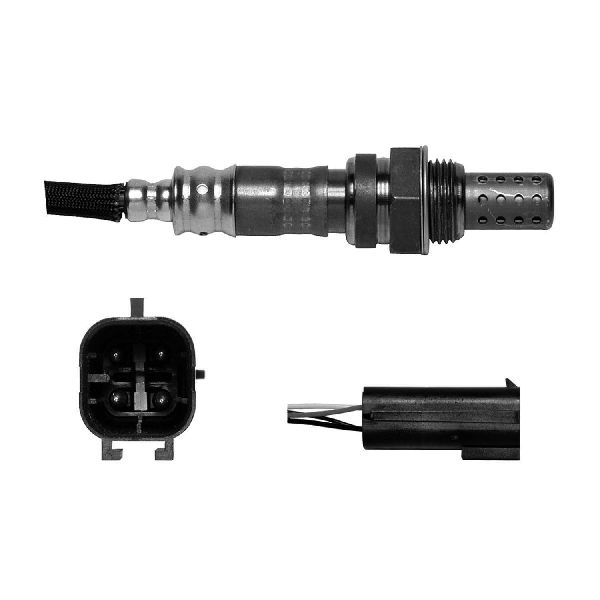
- Always buy a 'direct-fit' sensor with the correct plug to avoid cutting and splicing wires.
- A special slotted oxygen sensor socket (7/8 inch) is highly recommended for removal and installation.
Is Your Sebring a Coupe or a Convertible? It Matters.
Before buying an oxygen sensor for your 1995-2000 Chrysler Sebring, you must know if you have a coupe or a convertible. They are completely different cars under the skin. This is the most common mistake owners make.
The Sebring Coupe was built by Mitsubishi and shares its platform with the Mitsubishi Eclipse. It uses Mitsubishi engines 🎬 See this step-by-step replacement for Mitsubishi-based Sebring engines (like the 2.0L 4-cylinder or 2.5L V6) and electronics. The Sebring Convertible was built by Chrysler and uses a Chrysler 2.5L V6 engine and electronics. The oxygen sensors for these two models are not interchangeable. Always confirm your body style and engine before ordering.
Symptoms of a Failing Oxygen Sensor
When an O2 sensor starts to fail, it sends bad information to your car's computer. This can cause a variety of noticeable problems as the engine struggles to find the right air-fuel balance.
🎬 Watch: How to test if your oxygen sensor is bad- Check Engine Light: This is the most common symptom. Codes like P0171 (System Too Lean), P0172 (System Too Rich), or specific sensor codes like P0135 (O2 Heater Circuit) will be stored in the computer.
- Poor Fuel Economy: If the sensor incorrectly signals a lean condition, the computer will dump extra fuel into the engine, causing you to visit the gas station more often.
- Rough Idle or Misfires: An unstable air-fuel mix can make your engine run rough, shake at stoplights, or even misfire.
- Failed Emissions Test: A bad O2 sensor is a primary reason for failing a smog check, as it directly controls the vehicle's emissions output.
- Smell of Rotten Eggs or Gasoline: A rich-running engine can overwhelm the catalytic converter, producing a sulfur smell from the exhaust. You might also smell raw fuel.
Choosing the Right Aftermarket O2 Sensor
Not all aftermarket sensors are created equal. For this generation of Chrysler and Mitsubishi electronics, using a high-quality sensor is important to avoid ongoing issues. Cheaper sensors may not have the correct response time or voltage, leading to persistent check engine lights.
Tier 1: OEM-Equivalent Brands
These brands are often the original equipment manufacturers for Chrysler and Mitsubishi. They are the safest bet for a direct, trouble-free replacement.
- Denso & NGK (NTK): Widely regarded by mechanics and owners as the best choice for Japanese and many domestic vehicles of this era. They provide the reliability and precise readings your Sebring's computer expects.
Tier 2: Reputable Aftermarket Brands
These are well-known brands that produce quality parts, but may not be the original supplier for your specific vehicle.
- Bosch: Bosch invented the modern oxygen sensor and has a strong reputation. However, some forum users report that their aftermarket sensors can sometimes be less consistent than their OEM parts or NTK/Denso. Ensure you get a direct-fit model with the correct plug.
- Delphi: Another major OEM supplier with a good reputation for quality electronic parts.
Tier 3: Budget-Friendly Brands
These brands offer significant cost savings but come with a higher risk of compatibility problems or a shorter service life.
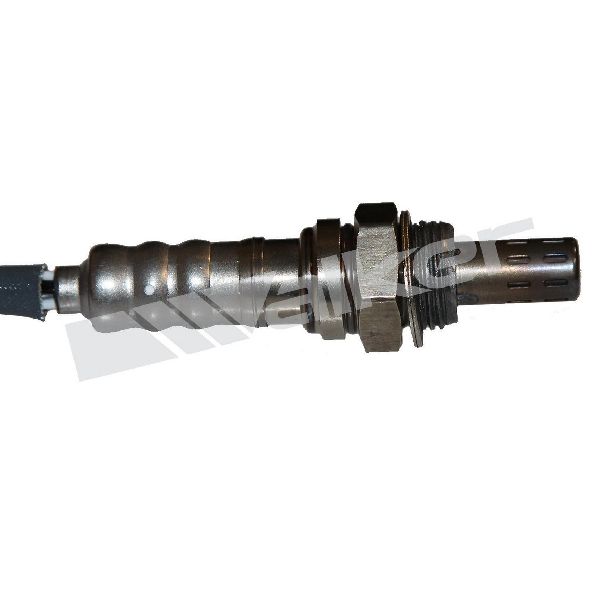
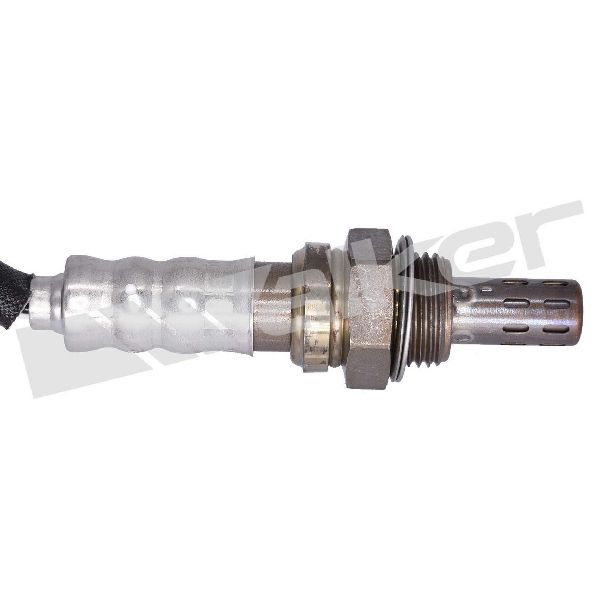
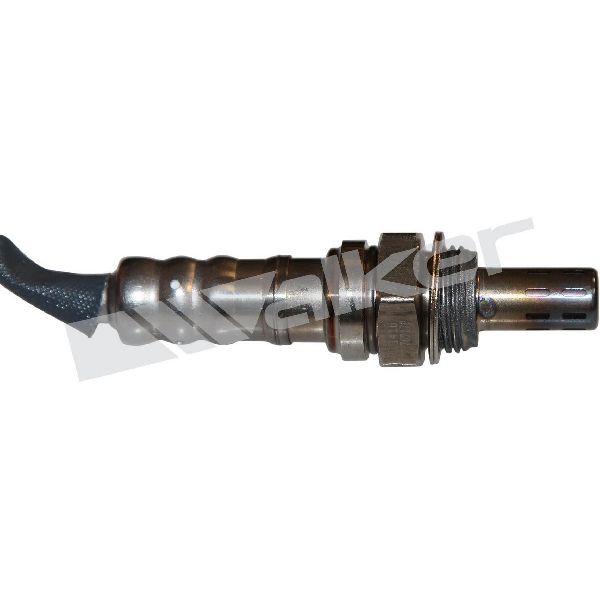
- Walker Products, DriveWire, Spectra, Vemo: While functional, these are best considered for older, less sensitive vehicles or if budget is the primary concern. Be prepared for the possibility that they may not solve the check engine light issue.
Always choose a "direct-fit" sensor that includes the correct wiring harness and plug. Avoid "universal" sensors that require you to cut and splice wires. An improper connection is a common point of failure.
Replacement Cost for a 1995-2000 Chrysler Sebring
The cost can vary depending on which sensor needs replacing. The upstream sensors, especially on the V6 convertible, can be much harder to access than the downstream sensors.
| Part Type | Price Range |
|---|---|
| New Aftermarket O2 Sensor | $26.14 - $101.54 |
| New OEM O2 Sensor | $120 - $250 |
| Shop Labor Cost | $75 - $200 |
Frequently Asked Questions
How many oxygen sensors does my Sebring have?
Most 1995-2000 Sebrings have two oxygen sensors: one upstream (before the catalytic converter) and one downstream (after the catalytic converter). V6 models have two banks, so they will have two upstream sensors and one or two downstream sensors, for a total of three or four.
What is the difference between an upstream and downstream sensor?
The upstream (Bank 1, Sensor 1 or Bank 2, Sensor 1) sensor is the primary sensor that helps the engine computer adjust the air-fuel ratio. The downstream (Bank 1, Sensor 2) sensor's main job is to monitor the health of the catalytic converter.
My mechanic says the upstream sensor is hard to reach. Is that true?
Yes, on the V6 convertible models, the upstream sensor located on the exhaust manifold near the firewall is known to be very difficult to access, which can increase labor time and cost.
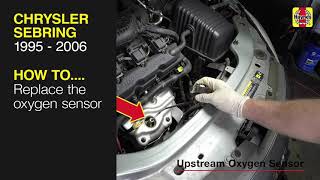
🎬 Watch this walkthrough for replacing sensors on Chrysler-built modelsCan I just replace the one bad sensor?
Yes, you only need to replace the sensor that has failed. However, O2 sensors have a limited lifespan, typically around 100,000 miles. If one has failed and your car has high mileage, the others may not be far behind.
Why shouldn't I just buy the cheapest sensor available?
The engine computers in this era of Chrysler and Mitsubishi vehicles can be sensitive to the voltage signals from O2 sensors. A cheap sensor might not respond as quickly or accurately as the computer expects, causing the check engine light to stay on even after the part is replaced.
Helpful Videos
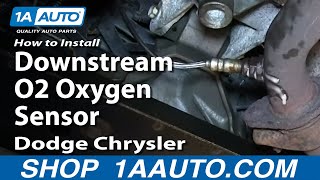
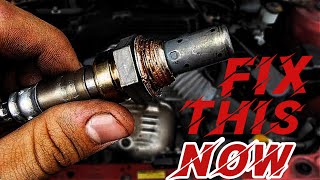
Technical Specifications
The 1995-2000 Chrysler Sebring uses heated, narrow-band oxygen sensors. The number of sensors (2, 3, or 4) and their specific part numbers depend on the engine (2.0L I4, 2.5L V6) and body style (coupe or convertible). Due to multiple variations, verifying the correct part number with your vehicle's VIN is highly recommended.
We Have This Part in Stock
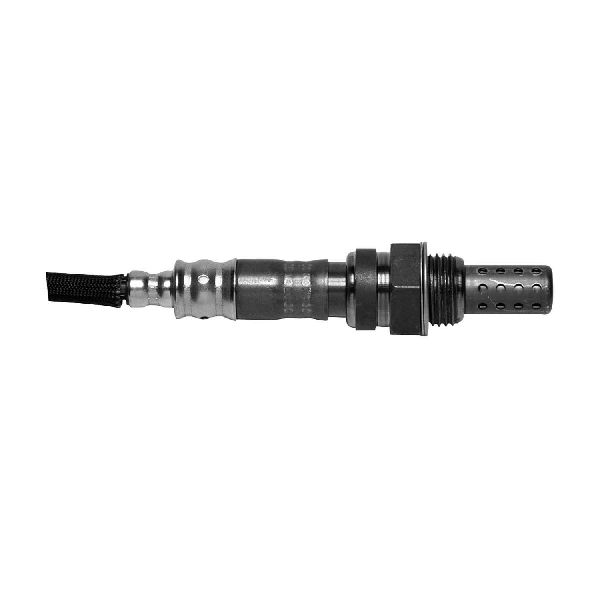
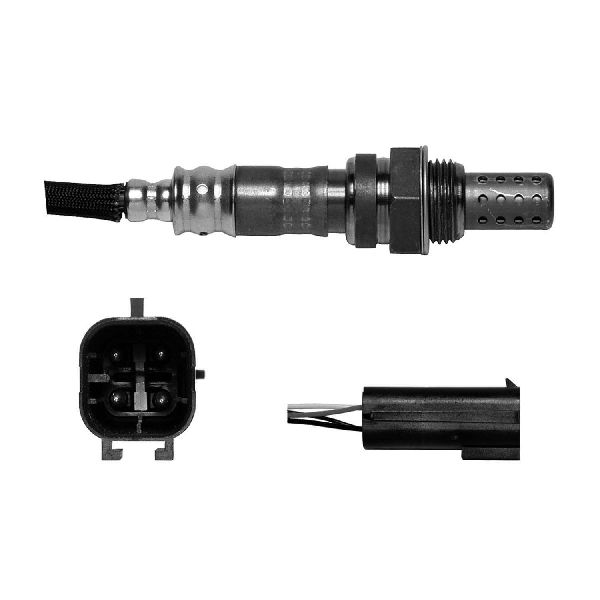

The information in this article is provided for general reference and educational purposes only. Vehicle specifications, procedures, and part compatibility can vary by production date, trim level, and region. Always consult your vehicle's factory service manual and verify part numbers before purchasing or performing repairs. Safety-critical components such as airbags, seat belts, and braking systems should be installed by a qualified professional.
- Chrysler Sebring:
- 🎬 Helpful Videos
- 🛍️ Shop This Part
- Is Your Sebring a Coupe or a Convertible? It Matters.
- Symptoms of a Failing Oxygen Sensor
- Choosing the Right Aftermarket O2 Sensor
- Tier 1: OEM-Equivalent Brands
- Tier 2: Reputable Aftermarket Brands
- Tier 3: Budget-Friendly Brands
- Replacement Cost for a 1995-2000 Chrysler Sebring
- Frequently Asked Questions
- 🎟️ Get 5% Off