

Dodge Avenger Camshaft Position Sensor Guide (1995-2000)
Fix stalling and starting problems in your 1995-2000 Dodge Avenger by understanding its camshaft position sensor.
- You must verify if you have the 2.0L 4-cylinder or 2.5L V6 engine before ordering, as the parts are different.
- On the 2.5L V6, the sensor is inside the distributor, making replacement much more difficult.
- A P0340 code is the most common indicator, but always check wiring and connectors before replacing the sensor.
- For long-term reliability, choosing a top-tier aftermarket brand like Delphi, NGK, or Hitachi is recommended over cheaper options.
Is Your Avenger's Camshaft Sensor Failing?
A bad camshaft position sensor can cause problems that range from annoying to serious. The most common sign is the Check Engine Light turning on. If you use a code scanner, you will likely see the code P0340, which points directly to an issue in the camshaft position sensor circuit.
You might also notice other symptoms:
- Engine Won't Start: The engine cranks but refuses to start.
- Stalling: The engine may suddenly shut off while you are driving or when idling at a stop.
- Rough Idle and Misfires: The engine may shake or run unevenly, especially when stopped.
- Loss of Power: The car may feel sluggish and struggle to accelerate.
Critical Difference: 2.0L vs. 2.5L V6 Engine
Before buying a part, you MUST know which engine your 1995-2000 Dodge Avenger has. The camshaft position sensor is completely different for the 2.0L 4-cylinder and the 2.5L V6 engines. Buying the wrong part is the most common mistake.
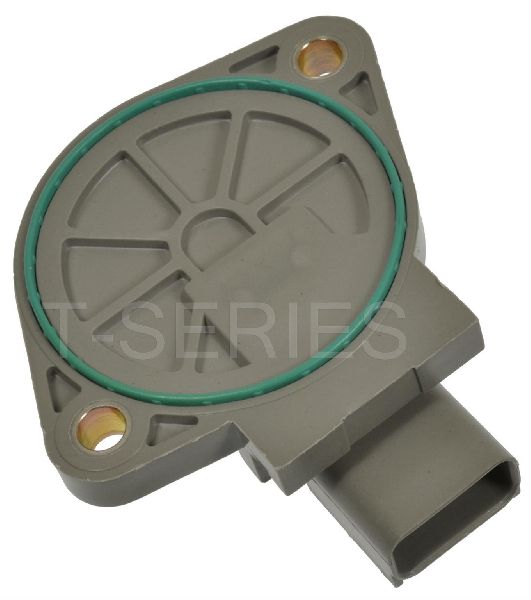
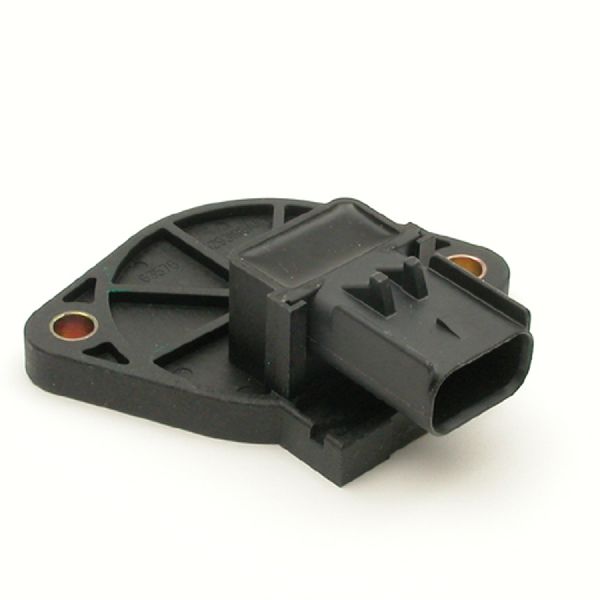
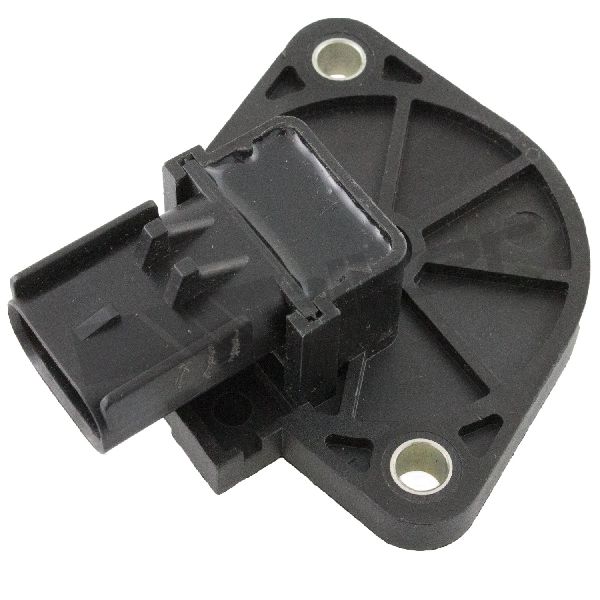
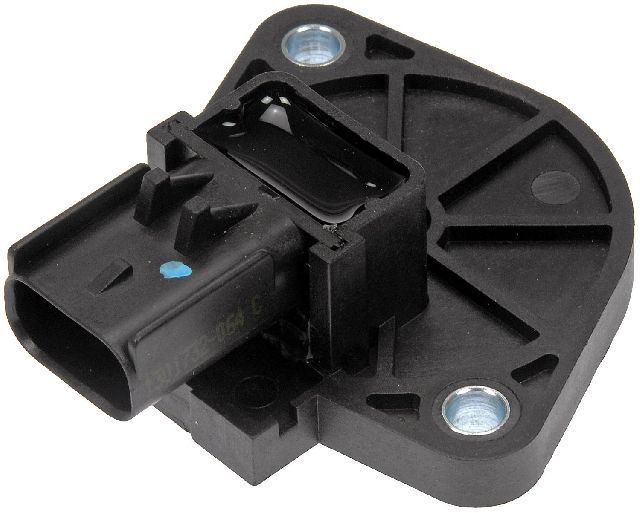
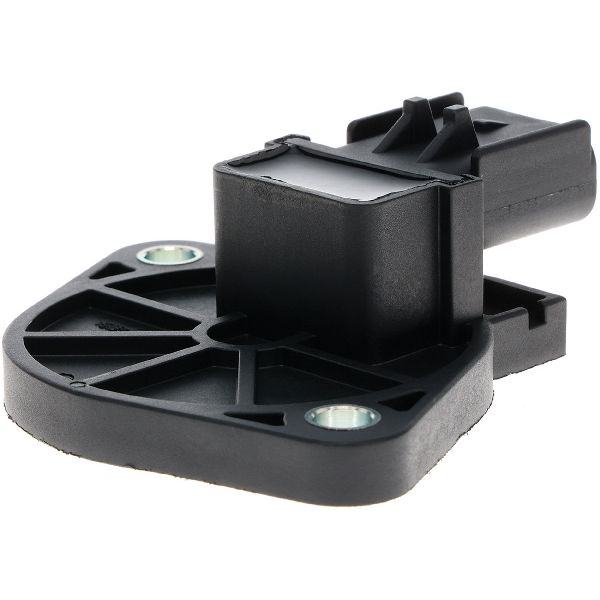
- 2.0L 4-Cylinder: The sensor is a separate component mounted on the engine, making it easier to access and replace.
- 2.5L V6: The sensor is located inside the distributor. This makes replacement much more difficult and often requires replacing the entire distributor assembly if you are not comfortable taking it apart.
Choosing the Right Aftermarket Sensor
Since these vehicles are over 25 years old, new OEM parts from Mopar are generally not available. The market is now served by aftermarket brands. For a critical sensor like this, quality matters. A cheap sensor might fail quickly, leaving you with the same problem.
Here’s a breakdown of aftermarket brand quality:
- Top-Tier Brands ($70 - $127): Brands like Delphi, Hitachi, NGK (also sold as NTK), and Standard Ignition (main line) are known for making high-quality sensors that often meet or exceed original specifications. If you want peace of mind and long-term reliability, choosing one of these is your best bet.
- Mid-Tier Brands ($35 - $70): Brands such as Dorman, Beck Arnley, and Walker Products offer a good balance of quality and price. They are a reliable choice for a daily driver without the higher cost of the top-tier brands.
- Value Brands ($17 - $35): This category includes brands like Skyward, Global Parts, and others. While the low price is tempting, the quality can be inconsistent. These are best considered for a temporary fix or if budget is the absolute main concern.
| Part Type | Estimated Cost |
|---|---|
| New Aftermarket (Value) | $17.54 - $35.00 |
| New Aftermarket (Mid-Tier/Top-Tier) | $35.00 - $127.21 |
| Shop Labor Cost | $100 - $250 (Varies by engine) |
Pro Tip: A P0340 code doesn't always mean the sensor is bad. Check the wiring and connector first. A loose connection, corroded pins, or a damaged wire can also trigger the code and are much cheaper to fix.
Frequently Asked Questions
Can I replace the camshaft sensor myself?
It depends on your engine. On the 2.0L 4-cylinder, it is a relatively easy job for a DIY mechanic, usually involving one bolt and one electrical connector. On the 2.5L V6, the sensor is inside the distributor, making it a much more complex job that may be best left to a professional mechanic.
What happens if I ignore a bad cam sensor?
Ignoring it can lead to your car stalling in traffic, which is a serious safety risk. It can also make your car very difficult or impossible to start. Continuing to drive with a bad sensor can also lead to poor fuel economy and potential damage to other engine components over time.
Do I need to reset the computer after replacing the sensor?
It is a good practice to clear the trouble codes with a scanner after the replacement. You can also disconnect the battery's negative terminal for about 15 minutes to reset the computer. This ensures the Check Engine Light goes off and the computer can learn the signal from the new sensor.
Are there any recalls for this part on my Avenger?
No. Searches of the National Highway Traffic Safety Administration (NHTSA) database show no recalls or safety campaigns for the camshaft position sensor on the 1995-2000 Dodge Avenger. Any recalls found are for much newer models.
Technical Specifications
OEM Part Numbers: 4609077 5096057AA
The sensor for the 1995-2000 Dodge Avenger is engine-specific. The 2.0L 4-cylinder uses an external sensor, while the 2.5L V6 uses a sensor located inside the distributor assembly. Both are typically 3-pin Hall effect sensors.
We Have This Part in Stock


The information in this article is provided for general reference and educational purposes only. Vehicle specifications, procedures, and part compatibility can vary by production date, trim level, and region. Always consult your vehicle's factory service manual and verify part numbers before purchasing or performing repairs. Safety-critical components such as airbags, seat belts, and braking systems should be installed by a qualified professional.
- Dodge Avenger: