

Ford Contour Catalytic Converter: A Guide for 1995-2000 Models
Everything you need to know before replacing the catalytic converter on your 1995-2000 Ford Contour.
- V6 models have three converters; identify which one has failed before buying a replacement.
- Fix the underlying engine problem (misfires, leaks) that caused the converter to fail in the first place.
- A direct-fit aftermarket converter offers the best balance of value and ease of installation for this vehicle.
- Brands like Walker offer OEM-like quality, while MagnaFlow is a premium option and AP/Eastern are budget-friendly choices.
Is it an OEM or Aftermarket Catalytic Converter?
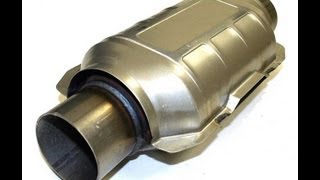
When replacing a catalytic converter on your Contour, you have two main choices: Original Equipment Manufacturer (OEM) from Ford or an aftermarket part from another company. An OEM converter is the exact same part that your car was built with, which means a guaranteed fit but at a very high cost. Given the age of these vehicles, an OEM part could cost more than the car is worth.
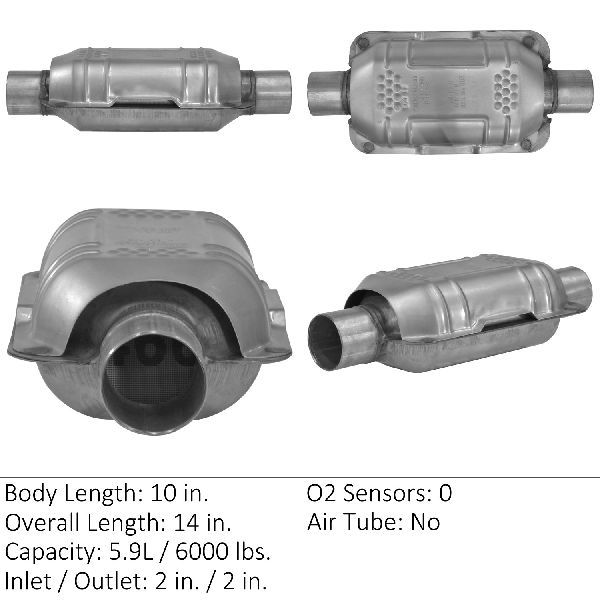
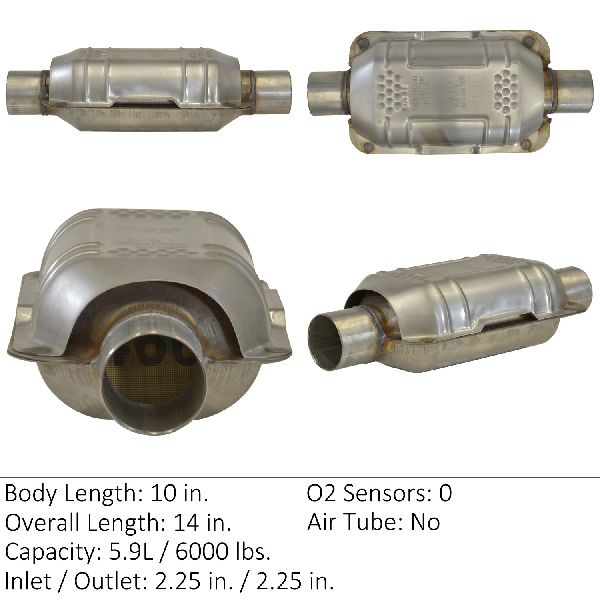
Aftermarket converters are a much more affordable option. They are made by companies like MagnaFlow, Walker, AP Exhaust, and Eastern Catalytic. The quality can range from basic replacements that get the job done to high-performance units that can improve exhaust flow. For the 1995-2000 Contour, a quality aftermarket part is usually the most practical and cost-effective choice.
Choosing the Right Aftermarket Converter
Not all aftermarket parts are created equal. They generally fall into different tiers of quality and price. It's important to choose one that fits your budget and your needs, especially regarding state emission laws (some parts are not legal in states like California, Colorado, or New York).
Brand Tiers for Your Contour:
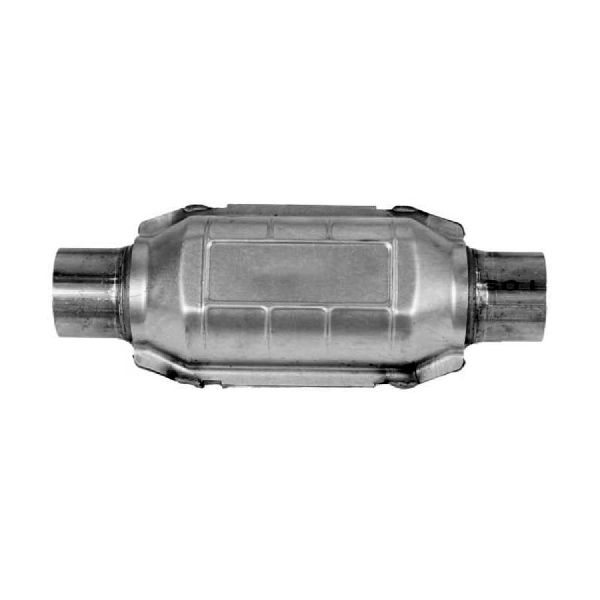
- Premium / Performance (MagnaFlow): Brands like MagnaFlow are known for high-quality stainless steel construction and designs that can sometimes improve exhaust flow for better performance. They are often more expensive than other aftermarket options but are built to last and are a popular choice for enthusiasts.
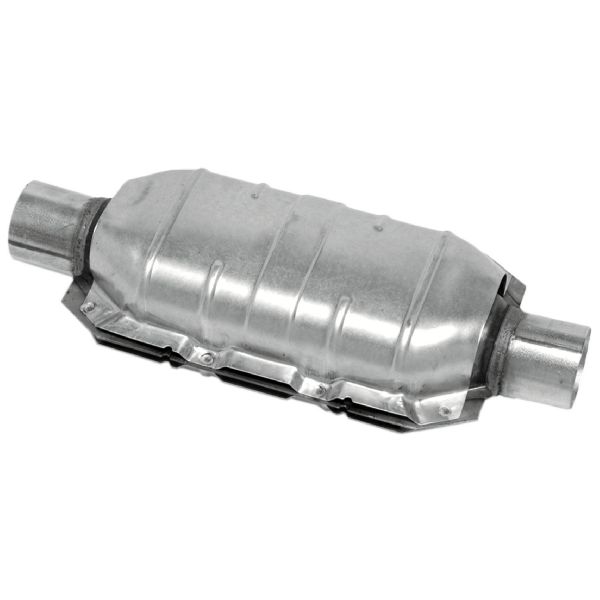
- OEM-Equivalent (Walker Exhaust): Walker is a well-respected brand that aims to produce parts that are very similar in fit and function to the original factory parts. They are a reliable, middle-of-the-road option that balances cost and quality, making them a safe bet for a daily driver.
- Value / Economy (AP Exhaust, Eastern Catalytic): These brands focus on providing a functional replacement at a lower price point. They are a good choice if your main goal is to fix a failed converter and pass an emissions test without spending a lot of money. While they may not have the same lifespan as premium brands, they offer a practical solution for older vehicles.
Estimated Replacement Costs
| Part/Service | Estimated Cost |
|---|---|
| New OEM Part | $1100+ |
| New Aftermarket Part | $74 - $503 |
| Shop Labor | $301 - $442 |
Known Issues & Recalls
While there are no major recalls specifically for the catalytic converter on the 1995-2000 Ford Contour, some Technical Service Bulletins (TSBs) were issued that relate to the exhaust system. These included reports of buzzing or rattling noises from the exhaust, a sulfur or 'rotten egg' smell, and issues with the check engine light related to EGR flow. One TSB noted that a rough running condition could occur after a converter is replaced. Owners on forums frequently discuss the failure of the pre-cats on V6 models, which triggers the P0420 and P0430 check engine light codes.
🎬 Watch: How to diagnose P0420 and P0430 codesFrequently Asked Questions (FAQ)
Which converter on my V6 Contour is bad?
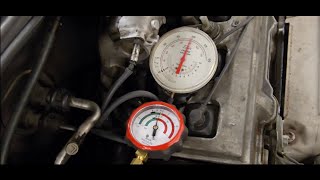
Your V6 Contour has three catalytic converters. Two are 'pre-cats' connected to the engine's exhaust manifolds, and one is the main converter under the car. The check engine light codes P0420 and P0430 point to the pre-cats. A mechanic can perform a backpressure test to determine if the main converter is clogged.
🎬 See the common symptoms of a clogged converterDo I need a direct-fit or universal converter?
A direct-fit converter is designed to bolt on exactly like the original part, with no cutting or welding required, making installation easier. A universal converter is cheaper but will require a professional to cut and weld it into your exhaust system. For a DIY-friendly job, a direct-fit part is the better choice.
Why did my original converter fail?
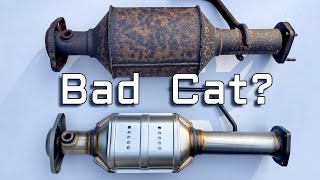
Catalytic converters usually fail because of another problem with the engine. Common causes include a misfiring engine sending unburned fuel into the exhaust, or oil and coolant leaks contaminating the catalyst. Before you replace the converter, it is critical to diagnose and fix the root cause, or the new converter will likely fail as well.
Can I install a catalytic converter myself?
If you buy a direct-fit converter and have the right tools (like socket wrenches and penetrating oil for rusty bolts), it is possible to do this job yourself. However, the bolts are often very rusty and hard to remove. If you choose a universal converter, professional installation with welding is necessary.
🎬 Watch: Step-by-step guide to replacing your catalytic converterHelpful Videos

Technical Specifications
OEM Part Numbers: F8RZ-5G232-AC F8RZ-5E212-CC F8RZ-5E212-BH
V6 models feature a three-converter system (two pre-cats, one main). 4-cylinder models have a single converter. Systems are OBD-II compliant for 1996 and newer models.
We Have This Part in Stock

The information in this article is provided for general reference and educational purposes only. Vehicle specifications, procedures, and part compatibility can vary by production date, trim level, and region. Always consult your vehicle's factory service manual and verify part numbers before purchasing or performing repairs. Safety-critical components such as airbags, seat belts, and braking systems should be installed by a qualified professional.
- Ford Contour: