

Ford Contour Engine Crankshaft Position Sensor: A Complete Guide (1995-2000)
Solve stalling and no-start problems by understanding your Contour's most critical engine sensor.
- A 'crank-no-start' condition is the number one symptom of a failed crankshaft sensor on the Contour.
- Always inspect the sensor's wiring harness for crumbling insulation, as this is a common failure point that mimics a bad sensor.
- For this critical part, it is highly recommended to use an OEM Motorcraft sensor or a top-tier aftermarket brand like Delphi or NGK/NTK.
- The sensor's location is different for the 2.0L I4 (front of engine, by pulley) and 2.5L V6 (front of engine, reads flexplate).
Understanding Crankshaft Sensor Failure in Your Contour
If you own a 1995-2000 Ford Contour, the crankshaft position sensor is a part you should know about. When it fails, it doesn't just cause a minor issue; it can stop your car from running completely. This sensor is the single source of truth for your engine's computer about its rotational speed and position. When that signal becomes weak, erratic, or disappears, your engine will struggle or die.
A Common Point of Failure: The Wiring
For these specific Contour models, a very common issue is not the sensor itself, but the wiring leading to it. Over years of heat and exposure, the wire insulation can become brittle and crumble away. This leaves the bare wires exposed, allowing them to touch and short out. This will cause the exact same symptoms as a failed sensor, including a P0320 trouble code. Always inspect the wiring harness near the sensor connector for any signs of cracking or decay before replacing the sensor itself.
Symptoms of a Failing Crankshaft Position Sensor
A bad CKP sensor can show several signs, ranging from annoying to leaving you stranded. The most common symptom by far is an engine that cranks over but refuses to start. This happens because the computer has no idea when to fire the spark plugs. Other symptoms include:
- Sudden Stalling: The engine may die for no reason while driving, especially after it has warmed up.
- Rough Idle and Misfires: The engine may shake or vibrate at idle because the timing is off.
- Poor Acceleration: You might notice the car feels sluggish or weak when you press the gas.
- Check Engine Light: A failing sensor will often trigger the Check Engine Light with code P0320.
Choosing the Right Aftermarket Sensor
When it comes to critical electronic parts like the crankshaft sensor, quality matters. While budget parts are available, a cheap sensor failing can leave you stranded again. For the Ford Contour, it's best to stick with proven brands.
OEM Part: The original part is from Motorcraft. This is the benchmark for quality and reliability and is highly recommended.
Tier 1 Aftermarket (OEM Quality): Brands like Delphi, Denso, and NGK/NTK are often original equipment manufacturers for many car companies. Their parts are widely trusted and are an excellent alternative to Motorcraft. Standard Motor Products (Standard/SMP) is also a well-regarded aftermarket brand with a long history of producing reliable sensors.
Tier 2 Aftermarket (Standard/Economy): Brands like Dorman, Walker Products, and Spectra offer more affordable options. Dorman has a mixed reputation for electronic sensors; some fail prematurely. While these parts may come with a warranty, consider the hassle of being stranded and having to do the job twice. These are best considered for a budget-conscious repair where the risk is understood.
Tier 3 Aftermarket (Budget): Brands like Facet, Prenco, and other lesser-known names are the cheapest option. Due to the critical nature of this sensor, installing a budget-tier part is not recommended.
Estimated Replacement Costs
| Part Type | Estimated Cost |
|---|---|
| New OEM (Motorcraft) | $45 - $70 |
| New Aftermarket | $18 - $50 |
| Shop Labor | $63 - $92 |
| Total Estimated Cost | $90 - $160 |
Costs are estimates and will vary based on your location, the specific part brand chosen, and your vehicle's condition.
Frequently Asked Questions (FAQ)
Where is the crankshaft sensor on my Ford Contour?
The location depends on your engine. For the 2.0L 4-cylinder Zetec engine, it is located on the front of the engine, down low near the exhaust manifold and the main crankshaft pulley. For the 2.5L V6 Duratec engine, it is on the lower front (left) side of the engine block, where it reads teeth on the transmission's flexplate.
Can I replace the crankshaft sensor myself?
Yes, this is a feasible DIY job for someone with basic mechanical skills. The difficulty is mostly in accessing the sensor, which can be tight, especially on the 2.0L engine. It is typically held in by a single bolt. Ensure the engine is cool before starting, and disconnect the battery.
My new sensor didn't fix the problem. What now?
First, check the wiring harness connector for the sensor. As mentioned, the insulation on these wires is a known failure point. Wiggle the harness with the engine running (if possible) to see if it causes a stall. If the wiring looks good, you could have a defective new part, which is more common with budget brands. Finally, the issue could be with the computer (PCM) itself, but this is much less common.
Is there a difference between the sensor for the 4-cylinder and V6?
Yes, the part numbers are different for the 2.0L I4 and the 2.5L V6 engines. They are not interchangeable. Always confirm the part fits your specific engine before purchasing.
Technical Specifications
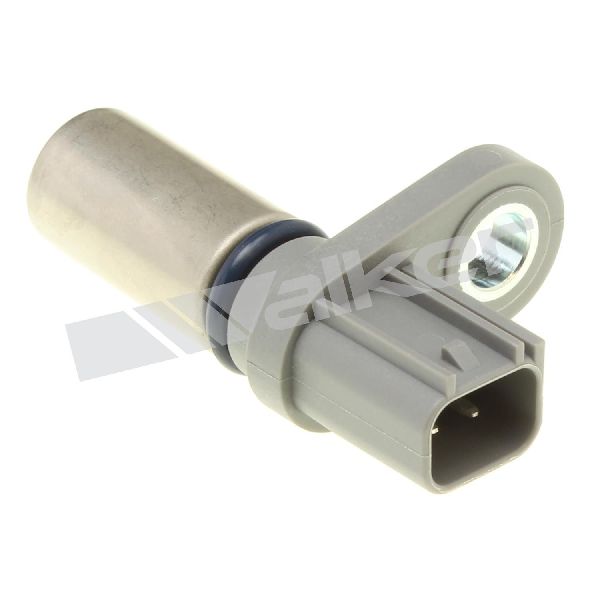
OEM Part Numbers: F5RZ6C315B F8RZ6C315B 1S7Z6C315AA 58LZ6C315AA F43E6C315AC
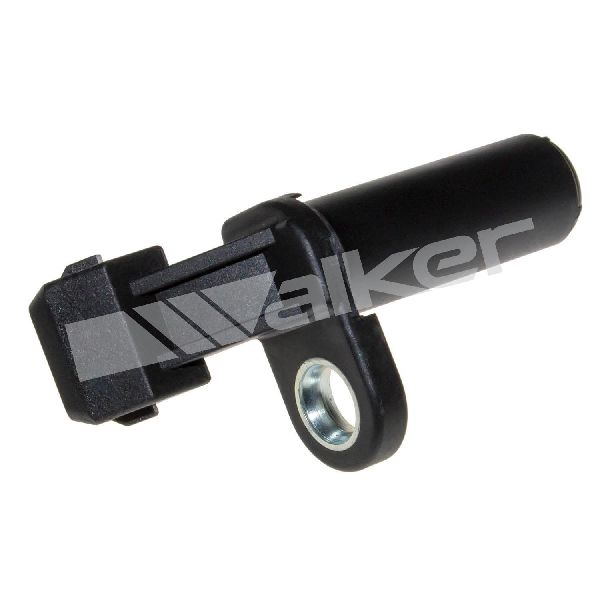
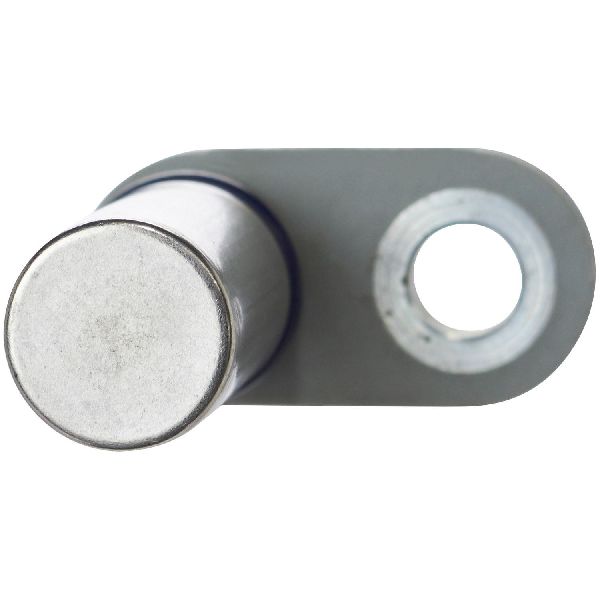
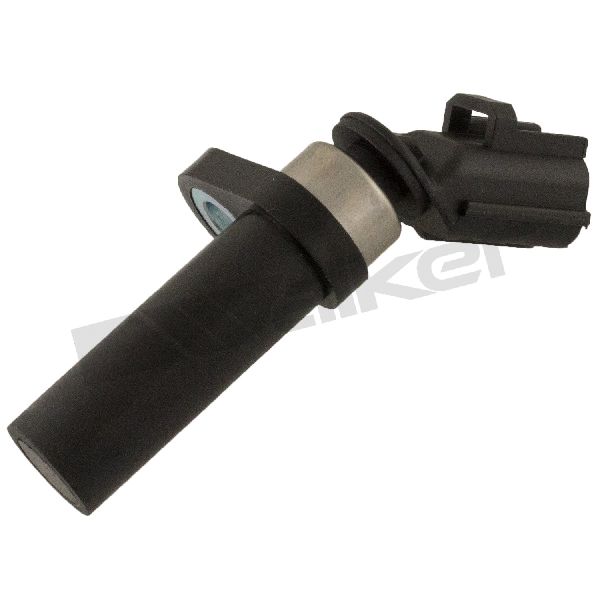
This is a magnetic or Hall-effect sensor that generates a signal based on the rotation of teeth on the crankshaft pulley or flywheel. It uses a 2-wire connector. The part is specific to the engine (2.0L I4 vs 2.5L V6).
We Have This Part in Stock


The information in this article is provided for general reference and educational purposes only. Vehicle specifications, procedures, and part compatibility can vary by production date, trim level, and region. Always consult your vehicle's factory service manual and verify part numbers before purchasing or performing repairs. Safety-critical components such as airbags, seat belts, and braking systems should be installed by a qualified professional.
- Ford Contour: