

Ford Contour 1995-2000 HVAC Heater Hose Replacement Guide
Keep your Contour's heat working and prevent engine damage by replacing a worn or leaking heater hose.
- A failing heater hose is a critical issue that can lead to engine overheating.
- Look for symptoms like coolant smell, leaks, foggy windshield, or lack of cabin heat.
- Always use pre-molded hoses from a quality brand like Motorcraft, Gates, or Continental for proper fit.
- Replace hose clamps at the same time as the hoses to ensure a secure, leak-free connection.
Symptoms of a Failing Heater Hose
A bad heater hose on a Ford Contour can cause several noticeable problems. Because these hoses carry engine coolant, a failure can lead to serious issues. Be aware of these signs:
- No Heat in Cabin: If a hose is clogged or has collapsed, hot coolant can't reach the heater core, leaving you with cold air from the vents.
- Sweet Smell: Leaking coolant (antifreeze) has a distinct sweet or fruity odor. If you smell this inside or outside your car, a hose could be leaking.
- Visible Coolant Leaks: You might see puddles of green, orange, or pink fluid under your car, especially near the passenger side firewall where the hoses connect. Sometimes a leak only happens when the engine is hot and the system is pressurized.
- Engine Overheating: A significant leak will lower your coolant level, which can cause your engine to overheat. This is a critical issue that can lead to severe engine damage.
- Foggy Windshield: A fine mist of coolant leaking into the cabin from a bad hose or heater core connection can cause a greasy, hard-to-clear film on the inside of your windshield.
- Bulging or Spongy Hoses: Visually inspect the heater hoses. If they look swollen, cracked, or feel soft and spongy when squeezed (when the engine is cold), they are old and at risk of bursting.
Engine Overheating is a Critical Risk
A burst heater hose can cause a rapid loss of engine coolant, leading to quick overheating and potential catastrophic engine failure. If you see steam from the engine bay or your temperature gauge spikes, pull over immediately and shut off the engine.
Choosing the Right Aftermarket Heater Hose
For a vehicle like the 1995-2000 Ford Contour, several quality aftermarket heater hose options are available. The original hoses were known to become brittle and leak over time, especially where they connect to metal pipes or rub against other components. Aftermarket parts often provide excellent value and reliability.
Brand Quality Tiers
When shopping for a replacement, consider these brands:
- OEM (Motorcraft): Motorcraft is Ford's official parts brand. Choosing a Motorcraft hose guarantees a perfect fit and original quality, as it's the same part the car was built with. While sometimes more expensive, it's the benchmark for performance and longevity.
- Premium Aftermarket (Gates, Continental): Gates is a highly respected brand in the aftermarket for hoses and belts, often considered an OEM supplier for many manufacturers. Their molded hoses are designed to match the original shape and fit precisely. Continental is another top-tier brand with a strong reputation for quality rubber products. Both are excellent choices that often meet or exceed OEM specifications.
- Standard Aftermarket (Dayco): Dayco is a well-known and widely available brand that offers a good balance of quality and price. While some users in forums report occasional fitment issues with Dayco compared to Gates, they are generally considered a reliable replacement for daily driving.
- Store Brands (ACDelco): While traditionally associated with GM, ACDelco offers parts for many makes. Their quality can be comparable to other standard aftermarket brands, but it's important to verify the specific part's reputation.
Pro Tip: Always Replace Hose Clamps
When you replace a heater hose, it is essential to replace the hose clamps as well. Old spring clamps can lose their tension, and worm-gear clamps can corrode or damage the new hose if over-tightened. New clamps are inexpensive and ensure a leak-free seal.
| Part Type | Price Range |
|---|---|
| New OEM (Motorcraft) | $40 - $90 |
| New Aftermarket | $11.67 - $81.22 |
| Shop Labor | $100 - $200 |
Frequently Asked Questions (FAQ)
Do I need a molded hose or can I use straight hose?
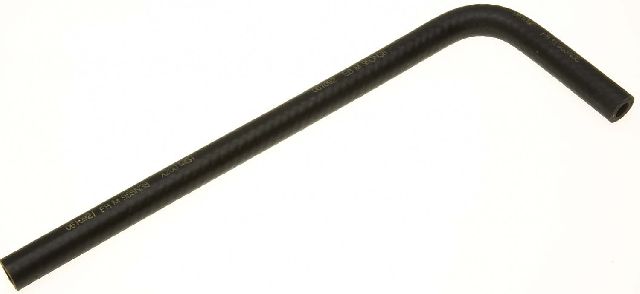
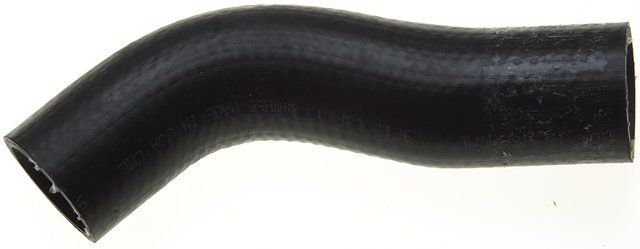
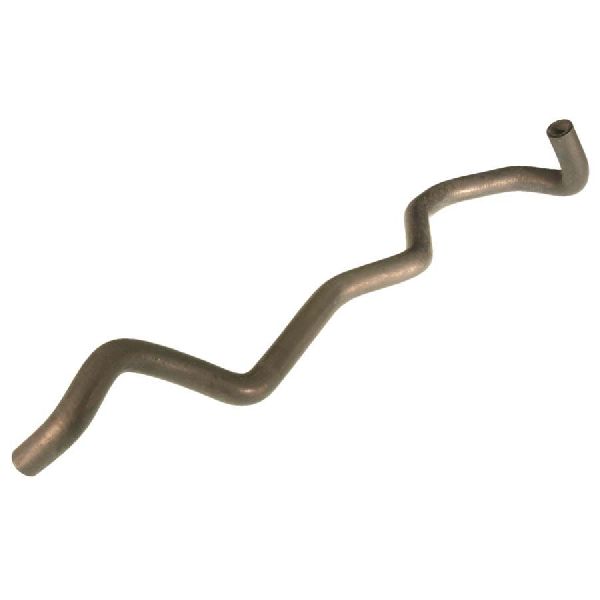
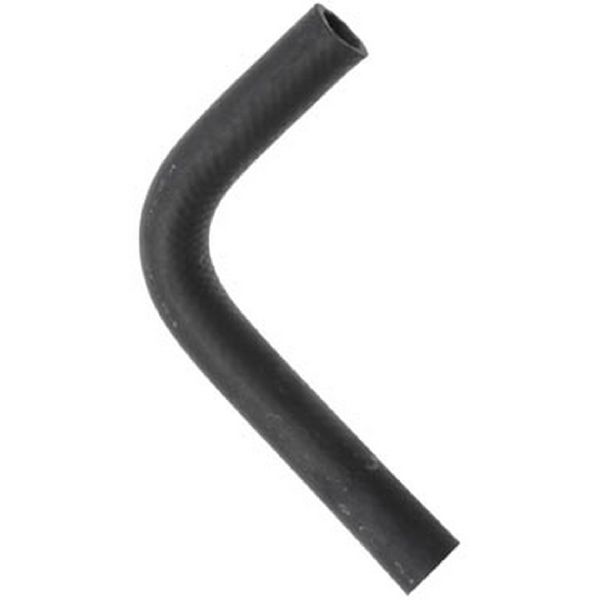
It is highly recommended to use a pre-molded hose designed specifically for your Contour. These hoses have specific bends and shapes to navigate the tight engine bay without kinking or rubbing against other parts. Using a straight hose can lead to flow restrictions or premature failure from rubbing.
Are there any recalls for the Ford Contour heater system?
There are no specific recalls for the heater hoses themselves. However, there was a related notice for 1995-1997 models concerning an overheating heater blower resistor, which Ford addressed with an extended warranty program. There was also a recall on some 1995 V6 models for an overheating engine cooling fan, which could put extra stress on the entire cooling system.
How difficult is it to replace the heater hose myself?
For a moderately experienced DIY mechanic, replacing the heater hoses is feasible. Access can be tight, especially at the firewall. You will need to drain some coolant, and it can be messy. The most difficult part is often removing the old, hardened hoses from their fittings without damaging the heater core pipes. If you are not comfortable draining coolant and working in tight spaces, it's best to leave this job to a professional.
Why is one heater hose hot and the other cold?
If one hose is hot and the return hose is cool or cold, it indicates a blockage in the heater core. Coolant is flowing *to* the core but not *through* it. This means you will need to either flush or replace the heater core itself, not just the hoses.
Technical Specifications
OEM Part Numbers: F5RZ-18B402-A F8RZ-18472-BA
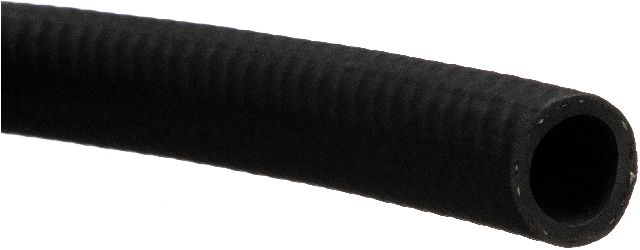
Hoses are typically made of EPDM rubber to resist heat, chemicals, and electrochemical degradation. Molded hoses are required to match the specific bends and routing for the 2.0L I4 or 2.5L V6 engines.
We Have This Part in Stock


The information in this article is provided for general reference and educational purposes only. Vehicle specifications, procedures, and part compatibility can vary by production date, trim level, and region. Always consult your vehicle's factory service manual and verify part numbers before purchasing or performing repairs. Safety-critical components such as airbags, seat belts, and braking systems should be installed by a qualified professional.
- Ford Contour: