

A Ford Ranger Owner's Guide to Catalytic Converters (1995-2000)
If your 1995-2000 Ford Ranger has a check engine light or failed emissions, this guide is for you.
- Always diagnose the root cause of failure (like bad O2 sensors or engine misfires) before replacing the converter to avoid damaging the new part.
- You MUST know your truck's engine (2.5L, 3.0L, 4.0L) and exhaust layout to order the correct direct-fit part.
- Verify if you need a Federal (EPA) or a more expensive CARB-compliant converter based on your state's laws (CA, CO, NY, ME require CARB).
- Be prepared for rusted bolts; replacement often requires penetrating oil, a breaker bar, and potentially cutting tools.
Why Did My Ranger's Catalytic Converter Fail?

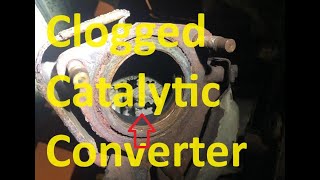
Catalytic converters don't usually fail on their own; they are often killed by another problem. An engine that isn't running right can send unburned fuel or contaminants into the exhaust, which can melt or clog the converter's internal structure. Before you spend money on a new converter, it's critical to find and fix the root cause.
- Engine Misfires: Unburned fuel from a misfiring cylinder can superheat and destroy the converter.
- Bad Oxygen Sensors: Faulty O2 sensors can cause the engine to run too rich (too much fuel), overwhelming the converter.
- Coolant or Oil Leaks: Internal engine leaks can contaminate the exhaust and coat the converter's catalyst, making it useless.
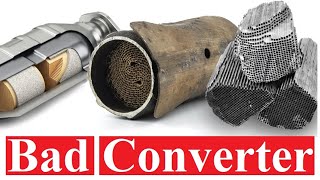
- Physical Damage: While less common, a hard impact from off-roading or road debris can crack the ceramic honeycomb inside.
Choosing the Right Aftermarket Converter

Since original Ford converters are extremely expensive or no longer available, the aftermarket is the go-to choice. Your choice depends on your budget, your state's laws, and your performance goals.
CARB vs. Federal (EPA): This Is Not Optional
This is the most important decision you will make. You MUST buy a converter that is legal for your state. Installing the wrong type can lead to a failed inspection and fines.
- Federal/EPA Converters: These are legal in most states. They meet the federal Environmental Protection Agency (EPA) standards.
- CARB-Compliant Converters: These are required for vehicles registered in California, Colorado, New York, and Maine. They have a higher loading of precious metals to meet the stricter California Air Resources Board (CARB) standards and are significantly more expensive.
Pro Tip: Check the emissions sticker on your vehicle, usually under the hood. If it mentions California, ARB, or 50-State Emissions, your truck was originally built to CARB standards. Even if you don't live in a CARB state, a CARB-compliant part can sometimes be a better fit for these vehicles.
Brand Quality Tiers
Not all aftermarket brands are created equal. For the 1995-2000 Ranger, brands generally fall into three categories:
- Premium (MagnaFlow): Often built with stainless steel and designed for better exhaust flow, which can sometimes offer a slight performance and sound improvement. While quality is high, always double-check direct-fit part numbers, as some forum users have reported occasional fitment issues on specific Ranger models.
- Standard / OEM-Style (Walker, AP Exhaust): Walker is a widely trusted name for standard replacements. They are known for good direct-fitment, making installation easier. These are the workhorse parts that most repair shops use. Some forum members have noted that full Y-pipe assemblies from Walker may use thinner-gauge tubing than the original Ford parts, which could be a concern for heavy off-road use.
- Economy (Eastern Catalytic, Davico): These brands offer a budget-friendly way to pass an emissions test and turn off the check engine light. They meet the basic legal requirements but may use less precious metal catalyst, potentially leading to a shorter lifespan compared to premium or standard brands.
How Much Does a Catalytic Converter Replacement Cost?

The cost is broken down into parts and labor. The part cost varies wildly based on whether you need a Federal or CARB-compliant unit and the brand you choose.
| Item | Estimated Cost |
|---|---|
| New Aftermarket Converter (Federal/EPA) | $95 - $450 |
| New Aftermarket Converter (CARB-Compliant) | $450 - $1025+ |
| Shop Labor | $150 - $350 |
| Total Estimated Cost | $245 - $1375+ |
Costs are estimates and can vary based on your location, vehicle's specific exhaust configuration, and the shop's labor rates.
Frequently Asked Questions

Will a new converter fix my P0420 code? 🎬 See this complete guide to fixing Ford P0420 error codes.
Usually, but not always. The P0420 code means the converter is not working efficiently. If the converter failed due to an engine problem (like a misfire or bad O2 sensor), the new converter will also fail quickly if you don't fix the original issue first.
Do I need a direct-fit or universal converter?
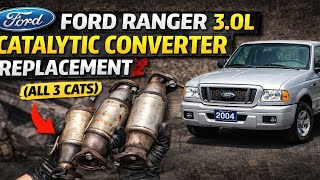
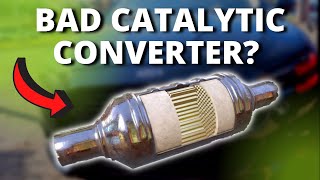
A direct-fit converter is designed to bolt right into your Ranger's specific exhaust system with no modifications, which is highly recommended for DIY installation. 🎬 Watch this step-by-step Ford Ranger catalytic converter replacement walkthrough. A universal converter is cheaper but requires cutting the old exhaust pipe and welding the new one in, a job best left to a professional muffler shop.
My Ranger has multiple converters. Do I have to replace them all?
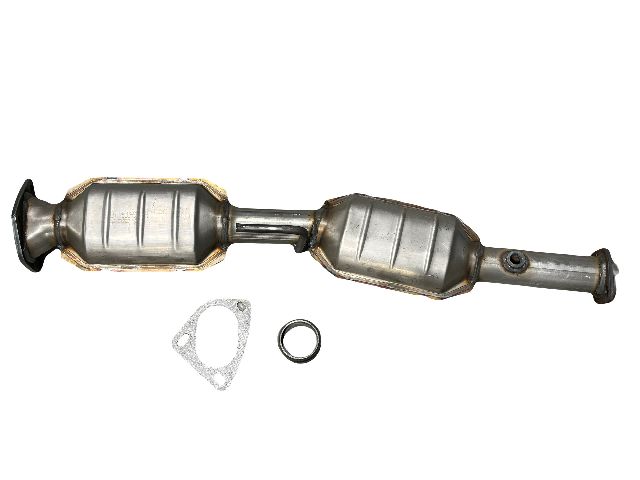
It depends. Your Ranger's V6 engine may have a Y-pipe with two pre-converters and one main converter. A diagnostic scan can sometimes pinpoint which one has failed. However, if one has failed due to age or high mileage, the others may not be far behind. Many aftermarket parts are sold as a complete assembly (like a Y-pipe with converters included).
What are the most common ordering mistakes?
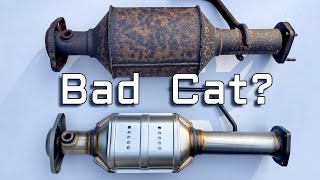
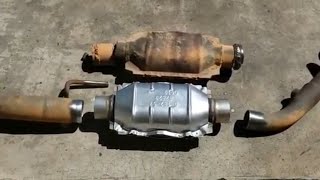
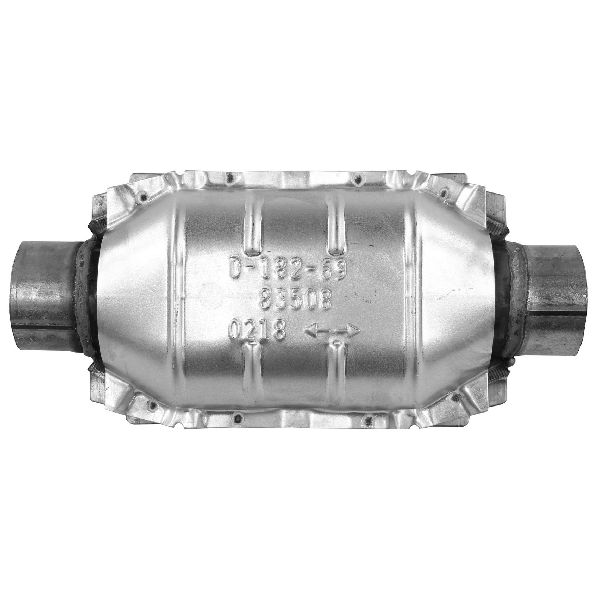
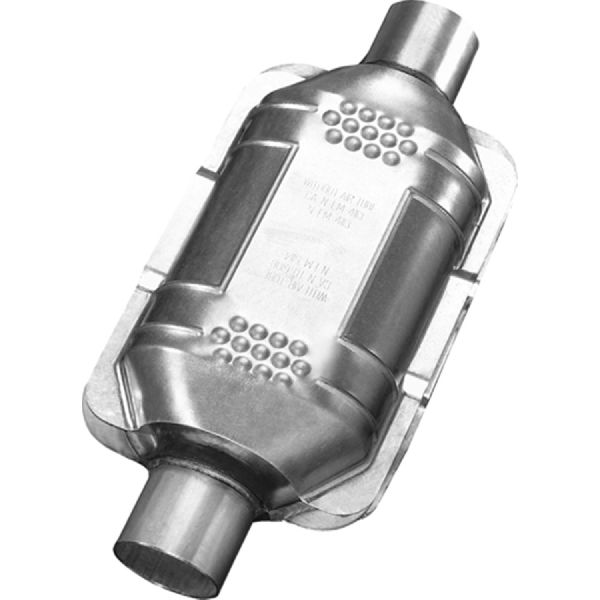
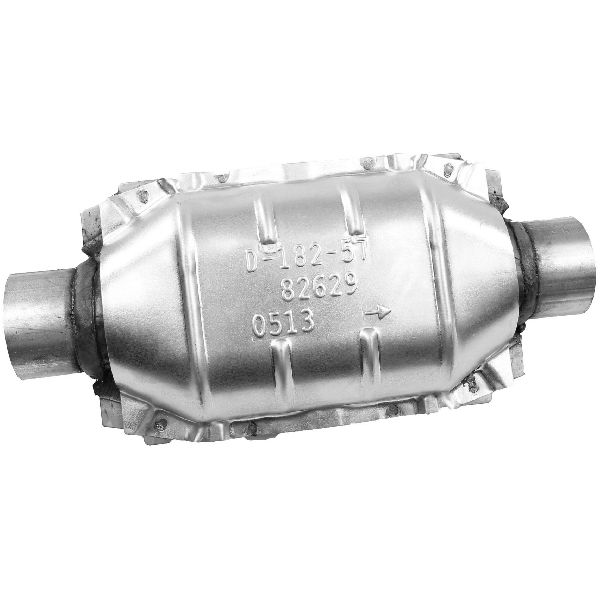
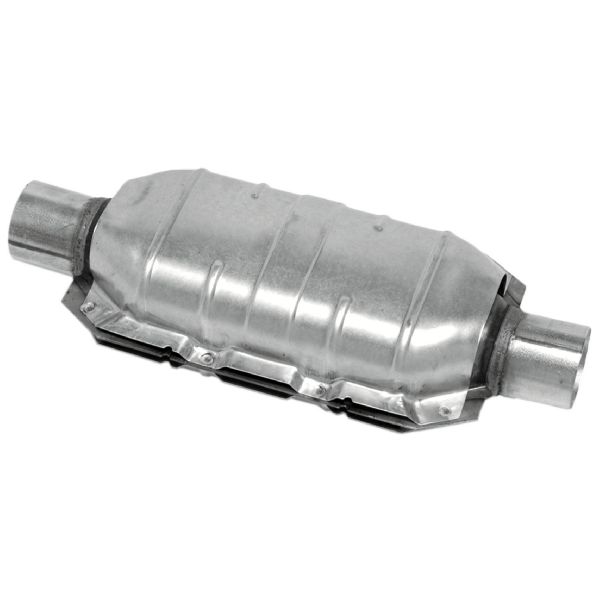
The biggest mistakes are buying a Federal converter when you live in a CARB state, and not knowing your Ranger's exact engine and exhaust setup. The 2.5L, 3.0L, and 4.0L engines can have different exhaust systems. Always verify your engine size and, if possible, visually inspect the converter you are replacing to match it with the new part's photos and diagrams.
Helpful Videos
Technical Specifications
Exhaust configurations vary significantly by engine (2.3L/2.5L I4, 3.0L V6, 4.0L V6) and model year. Some models use a single converter, while others use a Y-pipe assembly with multiple converters. Visual confirmation of the existing part and flange connections is the best way to ensure you order the correct replacement.
We Have This Part in Stock

The information in this article is provided for general reference and educational purposes only. Vehicle specifications, procedures, and part compatibility can vary by production date, trim level, and region. Always consult your vehicle's factory service manual and verify part numbers before purchasing or performing repairs. Safety-critical components such as airbags, seat belts, and braking systems should be installed by a qualified professional.
- Ford Ranger: