

Ford Ranger Oxygen Sensor Guide (1995-2000): Choosing the Right Replacement
Don't let a bad O2 sensor hurt your Ranger's fuel economy or performance.
- Your 1995-2000 Ranger has either two (4-cyl) or three (V6) oxygen sensors.
- Symptoms of failure include a check engine light, poor gas mileage, and rough running.
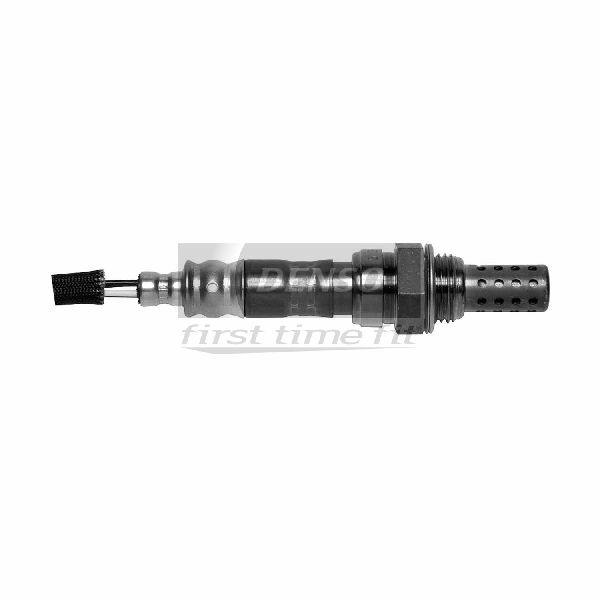
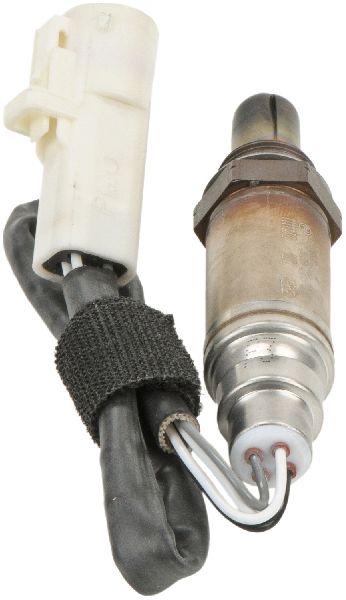
- Stick with reputable aftermarket brands like Bosch, Denso, or NGK/NTK for best results.
- If multiple O2 sensor heater codes appear at once, check for a blown fuse before replacing the sensors.
Is Your Ranger's Oxygen Sensor Failing?

A bad oxygen sensor can cause real problems for your truck. When it fails, the engine's computer gets bad information, leading to poor performance and other issues. Ignoring a failing sensor can even damage your catalytic converter over time, which is a much more expensive repair.
Key Failure Symptoms:
- Check Engine Light: This is the most common sign. The computer will store a trouble code related to the sensor's performance.
- Bad Fuel Mileage: The engine may run "rich," using more fuel than it needs, because the computer can't get an accurate oxygen reading.
- Rough Idle or Misfires: An incorrect fuel mixture can cause the engine to run poorly, shake, or misfire.
- Black Exhaust Smoke: This is a sign of unburned fuel exiting the exhaust, often caused by a rich fuel mixture.
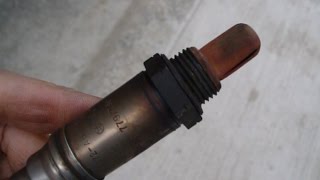
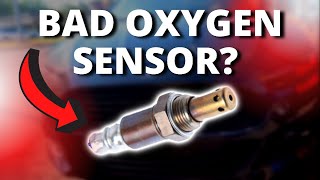
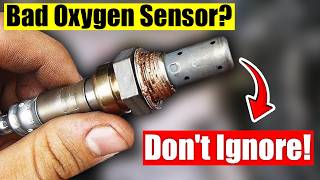
- Rotten Egg Smell: A failing sensor can contribute to a bad smell from the exhaust, indicating a problem with the emissions system. 🎬 Watch: 5 warning signs of a bad oxygen sensor
Choosing the Right Aftermarket O2 Sensor

When it's time to replace your O2 sensor, you have several choices. While Motorcraft is the original Ford part, several aftermarket brands offer good quality, often at a lower price. For a critical part like an O2 sensor, it's best to stick with reputable brands.
Aftermarket Brand Tiers for 1995-2000 Ford Ranger
| Tier | Brands | Notes |
|---|---|---|
| Top Tier / OEM Equivalent | Bosch, Denso, NGK/NTK | These brands are often the original equipment manufacturers for Ford and other automakers. Forum users widely report good experiences with them as direct-fit replacements. Bosch is frequently cited as the original supplier for many Ford trucks of this era. |
| Mid-Grade / Reputable Aftermarket | Delphi, Walker Products, Spectra | These are established aftermarket brands that offer a balance of quality and value. They are generally considered reliable replacements for a daily-driven truck. |
| Economy / Budget-Friendly | DriveWire, Vemo, various store brands | While these are the most affordable, their long-term reliability can be inconsistent. They can be a solution for a tight budget, but a top-tier brand is recommended for best performance and longevity. |
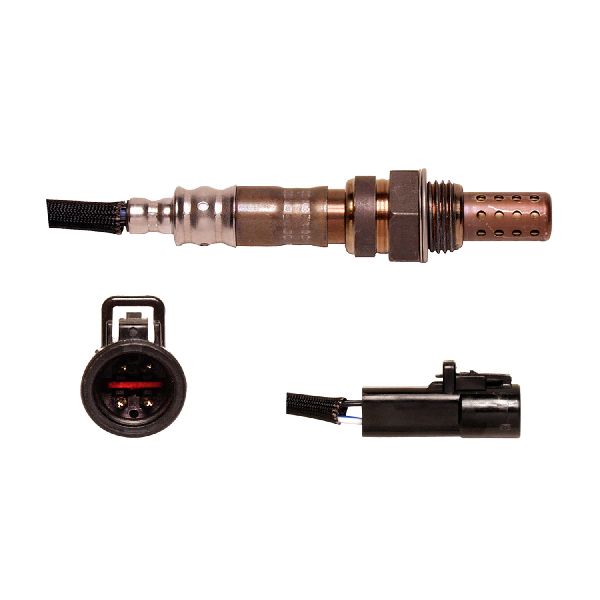
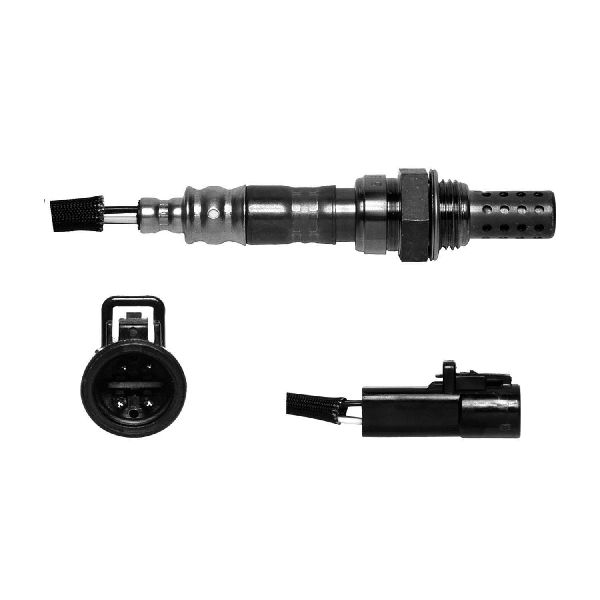
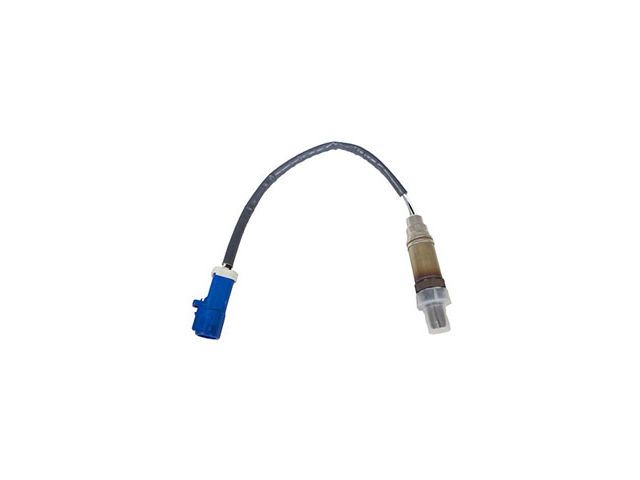
Pro Tip: Always choose a "direct-fit" sensor with the correct plug. Universal sensors that require you to splice wires are cheaper but create a potential point of failure. The small extra cost for a direct-fit model is worth it for reliability.
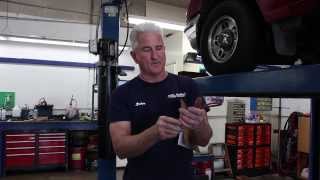
🎬 See this DIY replacement walkthrough for Ranger V6 enginesKnown Issues, Recalls & TSBs

While there are no recalls or technical service bulletins (TSBs) specifically for oxygen sensor failures on the 1995-2000 Ford Ranger, it's important to diagnose the problem correctly. Sometimes, a blown fuse can cause O2 sensor heater circuit codes (like P0135, P0141, P0155) for all sensors at once. Always check the fuses in the engine bay fuse box before replacing all the sensors. A recall (NHTSA 09V399000) was issued for a faulty speed control deactivation switch that could cause a fire, affecting some 1995-1997 and 2001-2003 Rangers, but this is unrelated to the O2 sensors.
Frequently Asked Questions (FAQ)

How many O2 sensors does my 1995-2000 Ranger have?
It depends on your engine. 4-cylinder engines (2.3L, 2.5L) have two sensors: one upstream (before the catalytic converter) and one downstream (after the cat). V6 engines (3.0L, 4.0L) have three sensors: two upstream (one for each exhaust bank) and one downstream.
Should I replace all the sensors at once?
It's a good practice, especially on a higher-mileage truck. O2 sensors degrade over time. If one has failed, the others are likely old and performing poorly too. Replacing them in a set ensures the engine's computer receives consistent and accurate readings from all sensors.
What's the difference between an upstream and downstream sensor?
The upstream sensor (Bank 1, Sensor 1 and Bank 2, Sensor 1) is the most important one for engine performance. It reads the raw exhaust and tells the computer how to adjust the fuel mixture. The downstream sensor (Bank 1, Sensor 2) is located after the catalytic converter and its main job is to monitor the converter's efficiency. While a bad downstream sensor will trigger a check engine light, it won't affect how the engine runs as much as a bad upstream sensor.
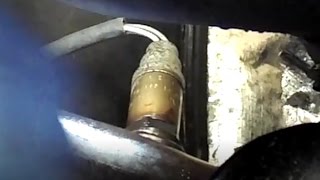
🎬 Watch: How to replace your downstream oxygen sensorIs Bosch a good brand for a Ford Ranger?
Yes. Many owners and mechanics report that Bosch was the original equipment (OEM) manufacturer for Ford O2 sensors in this period. They are widely considered a reliable, high-quality replacement. Denso and NGK (NTK) are also excellent OEM-quality alternatives.
Helpful Videos
Technical Specifications
OEM Part Numbers: F85Z-9G444-F F8TZ-9G444-CA DY-1092
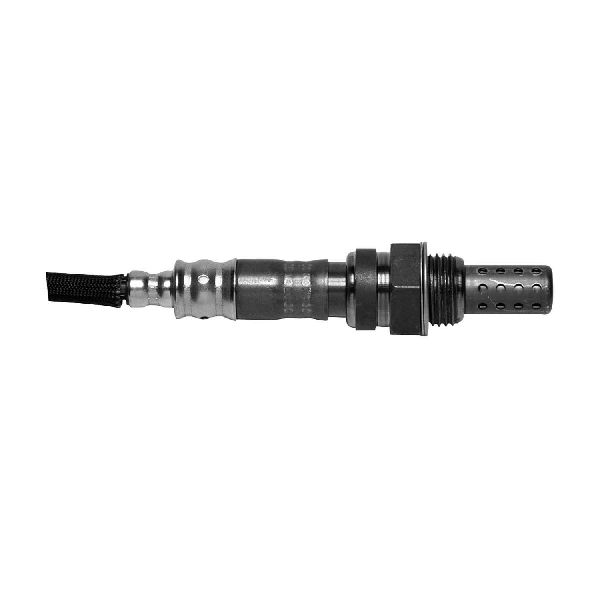
Number of sensors varies by engine: 4-cylinder engines use two sensors (one upstream, one downstream). V6 engines use three sensors (two upstream, one downstream). All are heated 4-wire sensors.
We Have This Part in Stock

The information in this article is provided for general reference and educational purposes only. Vehicle specifications, procedures, and part compatibility can vary by production date, trim level, and region. Always consult your vehicle's factory service manual and verify part numbers before purchasing or performing repairs. Safety-critical components such as airbags, seat belts, and braking systems should be installed by a qualified professional.
- Ford Ranger: