

Ford Windstar 1995-2000 Automatic Transmission Cooler Guide
Protect your Windstar's transmission from its most common failure point: overheating.
- Heat is the main cause of transmission failure in the 1995-2000 Windstar; an aftermarket cooler is a crucial preventative upgrade.
- Look for red fluid leaks under the front of the van, a key sign the cooler or its lines are failing.
- Choose a stacked-plate cooler from a brand like Derale or Hayden for the best protection over a standard replacement.
- If you notice slipping gears, a burning smell, or a transmission warning light, have the system checked immediately to avoid catastrophic failure.
Symptoms of a Failing Transmission Cooler
A bad transmission cooler can lead to expensive transmission failure. Watch for these warning signs. Ignoring them can turn a small repair into a complete transmission rebuild.
Key Failure Symptoms
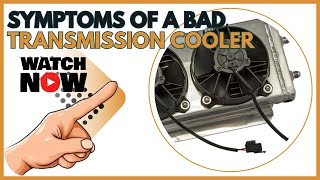
🎬 Watch this video to identify common transmission cooler warning signs.- Transmission Overheating: A warning light on your dash that says "Transmission Hot" or a transmission temperature gauge in the red is the most direct sign. This indicates the cooler is not doing its job.
- Leaking Red or Brown Fluid: If you see reddish-brown fluid pooled under the front of your Windstar, you likely have a leak from the cooler or its lines. Low fluid levels from a leak can quickly destroy a transmission.
- Burning Smell: A sharp, burnt odor means the transmission fluid is overheating and burning. This is a serious sign that the fluid has lost its ability to lubricate and cool properly.
- Poor or Erratic Shifting: When fluid overheats, it can cause delayed shifts, hesitation, or slipping gears. You might feel the engine rev, but the van doesn't accelerate as it should.
- Whining or Grinding Noises: Unusual noises from the transmission area can indicate a lack of lubrication due to overheated or low fluid, causing internal parts to wear against each other.
Choosing the Right Aftermarket Cooler for Your Windstar
For the 1995-2000 Ford Windstar, the factory transmission cooling system was often barely adequate, contributing to the high rate of transmission failures. Upgrading to a quality aftermarket cooler is one of the best investments you can make for your van's longevity, especially if you tow or drive in hot climates. Aftermarket coolers are often more efficient than the original equipment and are available in several styles.
Brand & Quality Tiers
The brands available—Derale, Hayden, and Four Seasons—are all well-known in the aftermarket. Here’s how they generally compare:
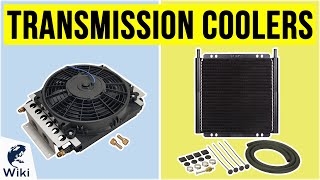
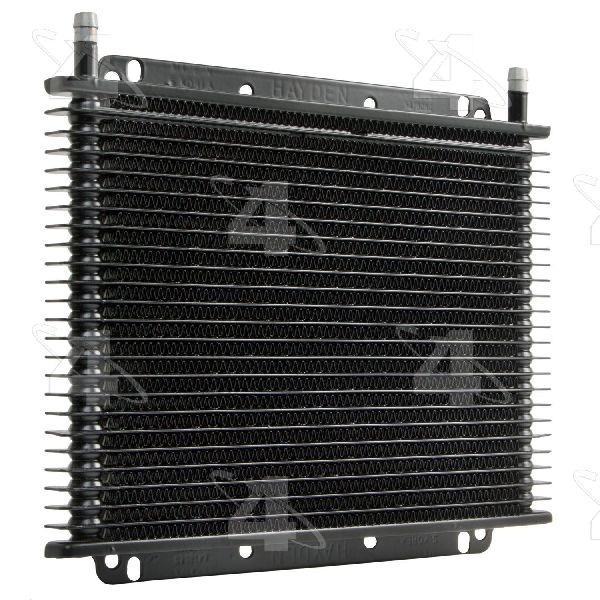
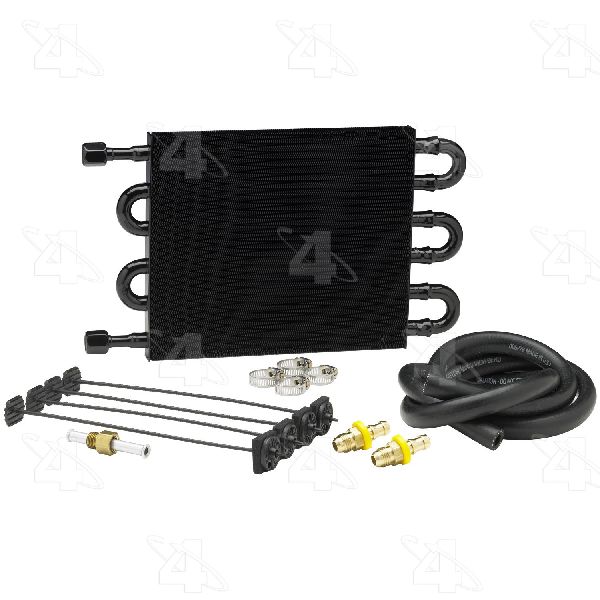
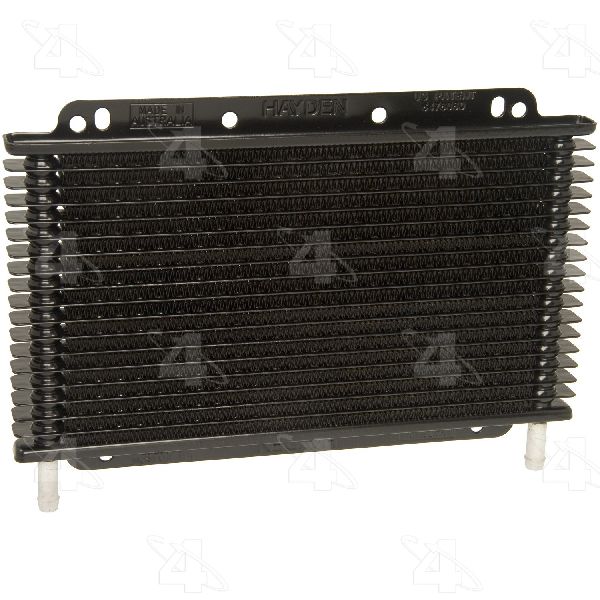
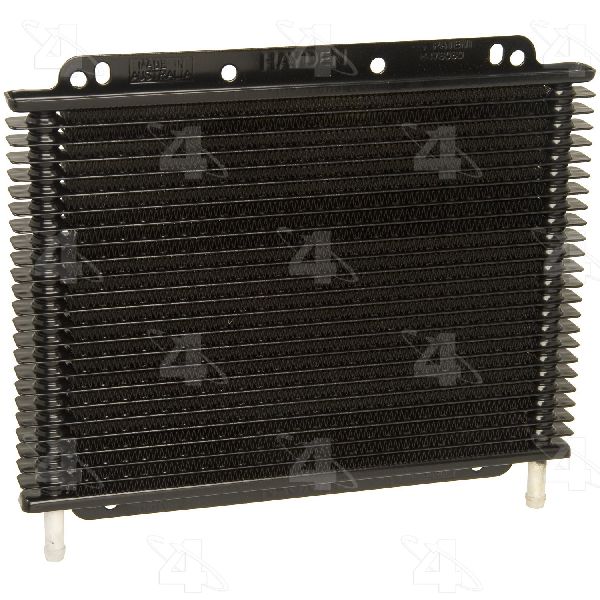
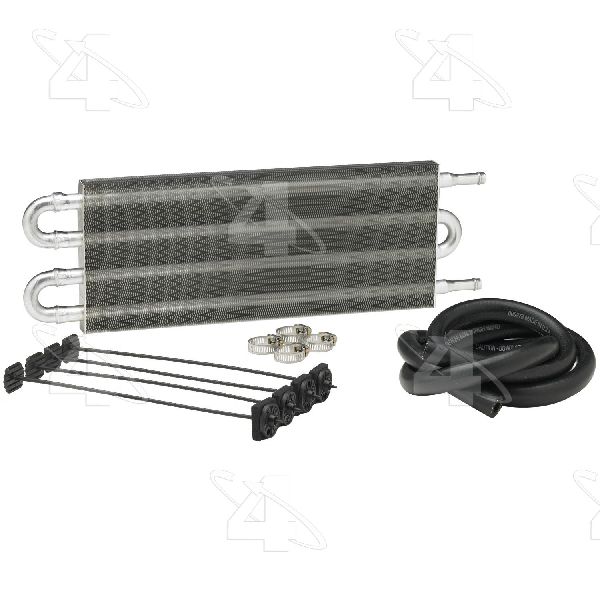
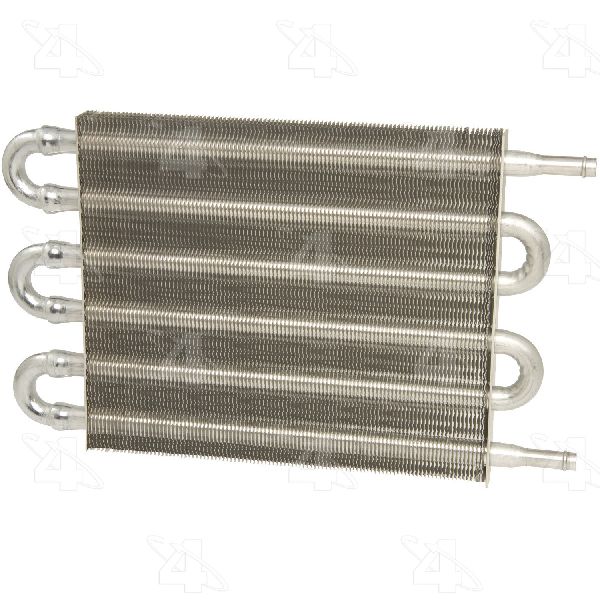
- Derale & Hayden (Better/Best): Both Derale and Hayden specialize in cooling products and are highly regarded for performance and heavy-duty applications. They often feature more efficient "stacked-plate" or "plate and fin" designs that offer superior cooling compared to older "tube and fin" styles. For a Windstar, choosing a stacked-plate cooler from either of these brands is a smart upgrade to protect the vulnerable transmission.
- Four Seasons (Good): Four Seasons is a massive aftermarket parts manufacturer that produces a wide range of components. While their coolers are reliable replacements, they are often designed as direct, OE-style replacements rather than heavy-duty upgrades. They are a solid choice if you are simply replacing a leaking or damaged unit and not seeking enhanced cooling performance.
Cost of a New Aftermarket Transmission Cooler
Replacing the transmission cooler is a cost-effective way to prevent major repairs. Here is a general breakdown of costs for the 1995-2000 Ford Windstar.
| Part Type | Estimated Cost |
|---|---|
| New Aftermarket Cooler | $55 - $105 |
| Shop Labor for Installation | $75 - $220 |
| Total Estimated Cost | $130 - $325 |
Note: Costs are estimates and can vary based on your location, the specific product, and the repair shop's labor rates. This does not include the cost of new transmission fluid.
Frequently Asked Questions (FAQ)
Can I install a new transmission cooler myself?
Yes, this is a feasible DIY project for someone with basic mechanical skills. The job involves draining some fluid, disconnecting the old cooler lines, mounting the new cooler (often in front of the radiator), and connecting the new lines. You will need a wrench/socket set, a drip pan, and potentially a line disconnect tool. Ensure all connections are secure to prevent leaks.
Should I bypass the radiator cooler or run the new cooler in-line?
For most situations, the best practice is to run the transmission fluid from the transmission, through the factory cooler in the radiator first, then to the new auxiliary cooler, and finally back to the transmission. This provides maximum cooling. The radiator helps bring the fluid up to temperature in cold weather, while the auxiliary cooler provides the extra cooling needed under load.
Were there any recalls on the Windstar transmission cooler?
No, there were no specific recalls for the transmission or transmission cooler on the 1995-2000 Ford Windstar. However, there were numerous recalls for other issues, including a significant one for a cruise control deactivation switch that could cause a fire. The transmission's high failure rate is a well-documented issue among owners and mechanics but was never addressed with a recall.
What type of transmission fluid should I use?
Always check your owner's manual for the specific fluid type. Low or incorrect fluid is a primary cause of transmission problems. After installing a new cooler, you will need to top off the fluid. Check the level with the engine running and the transmission warm to get an accurate reading.
Helpful Videos

Technical Specifications
OEM Part Numbers: F58Z-7A095-A F78Z-7A095-CA
Fits 1995-2000 Ford Windstar with AX4S or 4F50N automatic transmissions. Aftermarket options are typically universal plate-and-fin or stacked-plate designs.
We Have This Part in Stock

The information in this article is provided for general reference and educational purposes only. Vehicle specifications, procedures, and part compatibility can vary by production date, trim level, and region. Always consult your vehicle's factory service manual and verify part numbers before purchasing or performing repairs. Safety-critical components such as airbags, seat belts, and braking systems should be installed by a qualified professional.
- Ford Windstar: