

Crankshaft Position Sensor Guide for 1995-2000 Mercedes-Benz E300
Solving stalling and no-start issues in your W210 E300 often begins with this critical sensor.
- A failing crankshaft position sensor is a very common cause of no-start and stalling issues on the E300, especially when the engine is hot.
- For reliability and to avoid repeat failures, it is strongly recommended to use an OEM-quality brand like Bosch.
- The sensor is located in a tight spot on the back of the engine, but replacement is a feasible DIY job with basic tools and patience.
- Due to the safety risk of stalling, it is not advisable to drive the vehicle if you suspect the CPS is failing.
Understanding the Crankshaft Position Sensor in Your E300
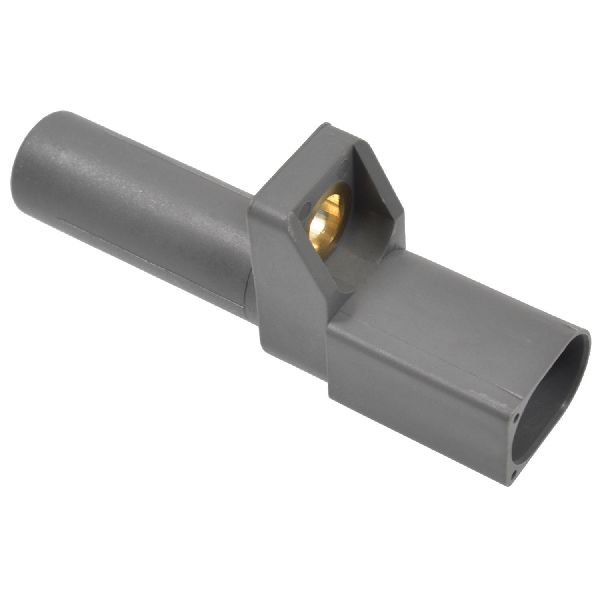
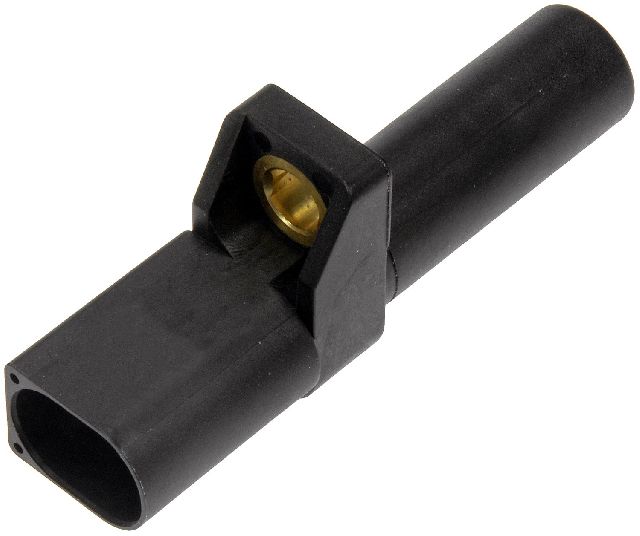
The crankshaft position sensor (CPS) is a known failure point on many Mercedes-Benz models from this era, including the W210 E300. Its job is simple but critical: it tells the engine's computer how fast the crankshaft is spinning and its exact position. For the OM606 diesel engine in your E300, this signal is the master command for fuel injection timing. When the sensor starts to fail, the computer gets bad information, leading to a host of engine problems that can leave you stranded.
Year Model Specifics: 1995-2000 E300
The E300 was sold in the US from 1995 to 1999. The 1995 model was the older W124 chassis, while the 1996-1999 models were the W210 chassis this guide focuses on. The 1996-1997 models used a naturally aspirated OM606 diesel engine, and the 1998-1999 models used a turbocharged version. The crankshaft position sensor is functionally the same for these years. The '2000' model year in the prompt is not applicable to the E300 in North America, as it was replaced by the E320 CDI with a different engine.
Symptoms of a Failing Crankshaft Position Sensor
A failing CPS often gives warning signs before it quits completely. The most common issue is heat-related failure. The sensor works when the engine is cold, but fails once it warms up, causing a stall. After cooling down for 15-30 minutes, the car may restart and run fine until it gets hot again.
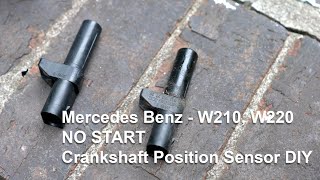
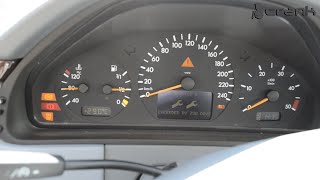
- Engine Cranks, No Start: This is the most classic symptom. The starter will turn the engine over, but it won't fire up because the ECU isn't getting the signal to inject fuel. 🎬 Watch: Troubleshooting a Mercedes that cranks but won't start.
- Stalling When Hot: The engine suddenly dies while driving or idling after it has reached operating temperature. This is a serious safety concern.
- Rough Idle and Misfires: The engine may run poorly, shake, or vibrate because the fuel timing is incorrect.
- Check Engine Light: A failing sensor can trigger the Check Engine Light and store a fault code like P0335. However, it's important to note that the sensor can be failing intermittently without setting a code.
- Reduced Power and Poor Acceleration: The car may feel sluggish or hesitate when you press the gas pedal.
Choosing the Right Aftermarket Sensor
For a part this critical, quality matters. A cheap, poorly made sensor can fail quickly, leaving you with the same problem. Owner and mechanic consensus is strong: use a quality German-made part.
Aftermarket Brand Quality Tiers
| Tier | Brands | Assessment |
|---|---|---|
| OEM / Premium | Bosch, Vemo | Bosch is the original equipment manufacturer (OEM) for Mercedes-Benz. Choosing Bosch is the safest bet for reliability and longevity. Vemo is another well-regarded German brand that supplies quality parts. These are the highly recommended choices. |
| Mid-Grade | Standard Ignition (SMP), Holstein | These brands often provide a good balance of quality and price. They are generally more reliable than economy brands but may not have the same long-term durability as the OEM part. A viable option if the premium brands are not available. |
| Economy | Dorman, Walker, Spectra, and other store brands | Use with caution. While these parts are inexpensive, forums are filled with stories of them failing out of the box or within a few months. For a part that can cause a dangerous stall, saving a few dollars here is generally not worth the risk. |
Cost to Replace the E300 Crankshaft Position Sensor
| Part / Service | Estimated Cost |
|---|---|
| New OEM (Mercedes-Benz Dealer) | $110 - $160 |
| New Aftermarket (Premium) | $50 - $145 |
| New Aftermarket (Economy) | $24 - $50 |
| Shop Labor | $100 - $200 |
Pro Tip: Given the low cost of the part and the high cost of being stranded, many experienced owners replace the CPS proactively every 100,000 miles or 10 years, or simply keep a new Bosch sensor and the necessary tools in the trunk.
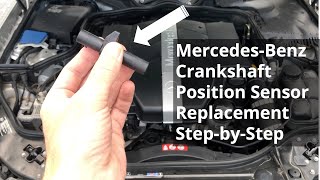
🎬 Watch: Step-by-step DIY guide with helpful tips and tricks.Frequently Asked Questions
Where is the crankshaft sensor located on my 1995-1999 E300?
The sensor is located on the driver's side of the engine, at the very back where the engine meets the transmission bell housing. It is mounted with a single E8 External Torx bolt and can be difficult to see and reach from above.
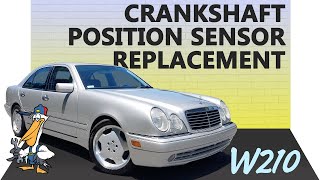
🎬 See this walkthrough for replacing the sensor on a W210.Is Bosch the same as the original Mercedes part?
Yes, Bosch was the Original Equipment Manufacturer (OEM) for this sensor. Buying a Bosch-branded sensor is equivalent to buying the part from a Mercedes-Benz dealer, but usually at a lower cost.
Do I need to reset the computer after replacing the sensor?
Generally, no special reset is required. After replacing the sensor, the car should start and run correctly. The Check Engine Light, if it was on, may turn off on its own after a few drive cycles. However, it is always best to clear any stored fault codes (like P0335) with an OBD-II scanner after the repair is complete.
Are there any recalls for the E300 crankshaft sensor?
Searches of the NHTSA database did not find a specific recall for the crankshaft position sensor on the 1995-1999 E300. There was a recall for later model diesel engines (OM642) in 2008 for a similar issue, but it does not apply to the OM606 engine in this vehicle.
Helpful Videos
Technical Specifications
OEM Part Numbers: A0031532728 0031532728 A0031532828 0031532828
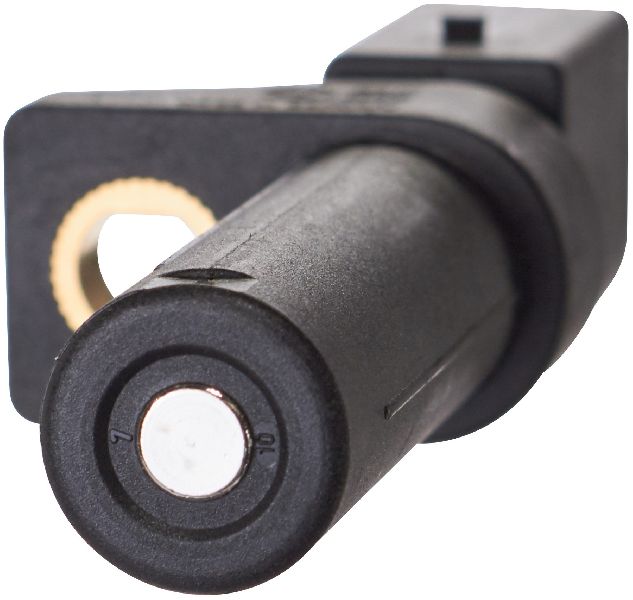
The sensor is a magnetic or Hall-effect type that reads teeth on the engine's flywheel to determine rotational speed and position. It is mounted with a single E8 External Torx bolt.
We Have This Part in Stock


The information in this article is provided for general reference and educational purposes only. Vehicle specifications, procedures, and part compatibility can vary by production date, trim level, and region. Always consult your vehicle's factory service manual and verify part numbers before purchasing or performing repairs. Safety-critical components such as airbags, seat belts, and braking systems should be installed by a qualified professional.
- Mercedes-Benz E300:
- 🎬 Helpful Videos
- 🛍️ Shop This Part
- Understanding the Crankshaft Position Sensor in Your E300
- Year Model Specifics: 1995-2000 E300
- Symptoms of a Failing Crankshaft Position Sensor
- Choosing the Right Aftermarket Sensor
- Aftermarket Brand Quality Tiers
- Cost to Replace the E300 Crankshaft Position Sensor
- Frequently Asked Questions
- 🎟️ Get 5% Off