

Engine Coolant Temperature Sensor Guide for 1995-2000 Mercury Sable
Poor fuel economy, rough running, or overheating in your Sable could point to this simple-to-fix sensor.
- For Ford electronics, using the OEM Motorcraft brand (part DY-1145) is strongly recommended to avoid performance issues.
- Do not confuse the two-wire ECT sensor (for the computer) with the one-wire temperature sender (for the gauge).
- Symptoms include poor MPG, overheating, rough idle, and a Check Engine Light with codes like P0115, P0117, or P0118.
- This is an easy and inexpensive DIY replacement that can be done in under an hour with basic tools.
Is Your Sable's ECT Sensor Failing?
A faulty Engine Coolant Temperature (ECT) sensor can cause a surprising number of problems in your 1995-2000 Mercury Sable. Because the engine's computer relies on this sensor for so much information, a bad signal can make the car run poorly. You might notice one or more of the following issues:
- Check Engine Light: This is often the first sign. The computer will log a fault code, like P0115, P0117, or P0118.
- Poor Fuel Economy: If the sensor wrongly tells the computer the engine is cold, the computer will enrich the fuel mixture, wasting gas.
- Black Smoke from Exhaust: A very rich fuel mixture can result in unburned fuel exiting through the exhaust, creating black smoke.
- Engine Overheating: If the sensor fails to report that the engine is hot, the cooling fans may not turn on when needed.
- Rough Idle or Poor Performance: The engine may run rough, hesitate, or feel down on power because the fuel and timing calculations are incorrect.
Choosing the Right Aftermarket Sensor
When it comes to sensors for Ford vehicles like your Sable, quality matters. Forum discussions among owners and mechanics consistently show that these engines can be sensitive to the brand of sensor used.
| Brand Tier | Brands | Honest Assessment |
|---|---|---|
| OEM / Top Tier | Motorcraft | Motorcraft is Ford's own brand, and it is the original equipment manufacturer (OEM) for your Sable. For critical sensors, this is the most recommended choice for guaranteed compatibility and reliability. Many owners report that cheaper aftermarket sensors fail quickly or provide inaccurate readings on Ford products. |
| Reputable Aftermarket | Delphi, NGK, Standard Ignition (SMP) | These are well-known brands that often supply parts to vehicle manufacturers. They are generally considered reliable alternatives to OEM, though the consensus for Ford sensors still heavily favors Motorcraft. Delphi, in particular, has a strong OE heritage. |
| Economy Tier | Facet, Four Seasons, Global Parts, Holstein, Motorad, True Tech, Walker Products | These brands offer a more budget-friendly price point. While they can get the job done, be aware that for sensitive electronics on a Ford, there is a higher risk of premature failure or performance issues compared to OEM. They may be a suitable choice if budget is the primary concern. |
Sensor vs. Sender: A Common Mistake
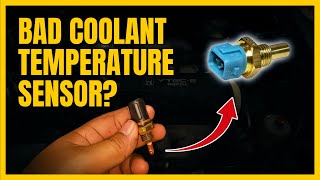
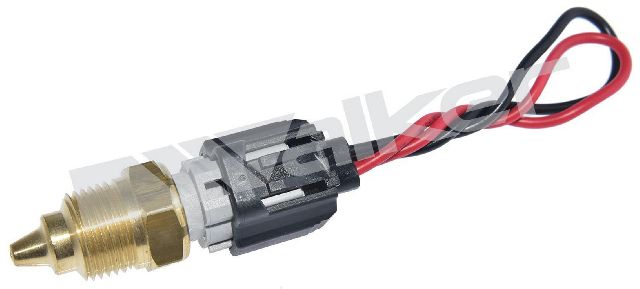
Your Sable has two similar parts. The Engine Coolant Temperature (ECT) Sensor has two wires and sends data to the engine computer. The Coolant Temperature Sender has one wire and only operates the temperature gauge on your dashboard. Make sure you are ordering the correct two-wire sensor to fix engine performance issues.
DIY Installation Tips
Replacing the ECT sensor on a 1995-2000 Sable is a straightforward job that most DIYers can handle in under an hour.
- Let the Engine Cool: Never work on a hot cooling system.
- Locate the Sensor: On the 3.0L V6, it's typically screwed into the thermostat housing area, 🎬 See this walkthrough for locating the sensor and thermostat. where the large upper radiator hose connects to the top of the engine. It will have a two-wire electrical connector.
- Prepare for Spillage: Have a rag ready. A small amount of coolant will leak out when you unscrew the sensor. You can minimize this by being quick or by partially draining the radiator first.
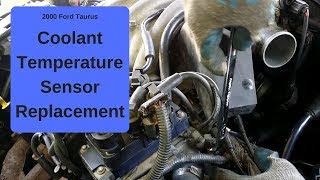
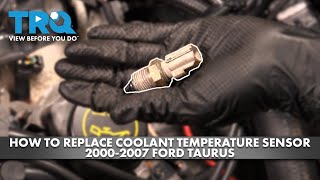
- Swap the Part: Disconnect the electrical plug. Use a deep socket (usually 19mm) or wrench to unscrew the old sensor. Screw the new sensor in until it's snug, but do not overtighten. Reconnect the electrical plug. 🎬 Watch a step-by-step replacement on a 2000 model.
- Top Off Coolant: Check your coolant level in the reservoir and add the correct type of coolant if needed.
Frequently Asked Questions (FAQ)
Where is the ECT sensor located on my 1995-2000 Sable?
It is located on the top of the engine, near where the upper radiator hose connects to the thermostat housing. It is a small, brass or plastic sensor with a two-wire electrical connector.
What's the difference between the ECT sensor and the temperature sender?
The ECT sensor (two wires) talks to the engine computer to control performance. The temperature sender (one wire) talks to the temperature gauge on your dashboard. If your engine is running poorly, you need the ECT sensor. If your gauge is not working but the car runs fine, you likely need the sender.
Can I replace this sensor myself?
Yes, this is a great DIY-friendly repair. It requires basic hand tools, like a socket set, and typically takes less than an hour. The part is easily accessible on top of the engine.
What happens if I don't replace a bad ECT sensor?
Ignoring a bad ECT sensor can lead to long-term problems. Persistently poor fuel mixture can foul spark plugs and damage the catalytic converter. If the sensor fails to trigger the cooling fans, you risk severe engine damage from overheating.
Are there any recalls for this part?
No, there are no specific NHTSA recalls for the engine coolant temperature sensor on the 1995-2000 Mercury Sable.
Helpful Videos
Technical Specifications
OEM Part Numbers: DY-1145 3F1Z-12A648-A F6DZ-12A648-A F5AZ-12A648-A
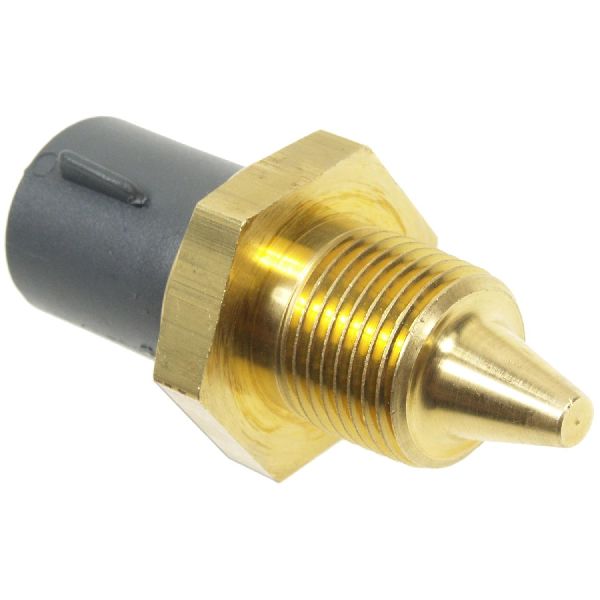
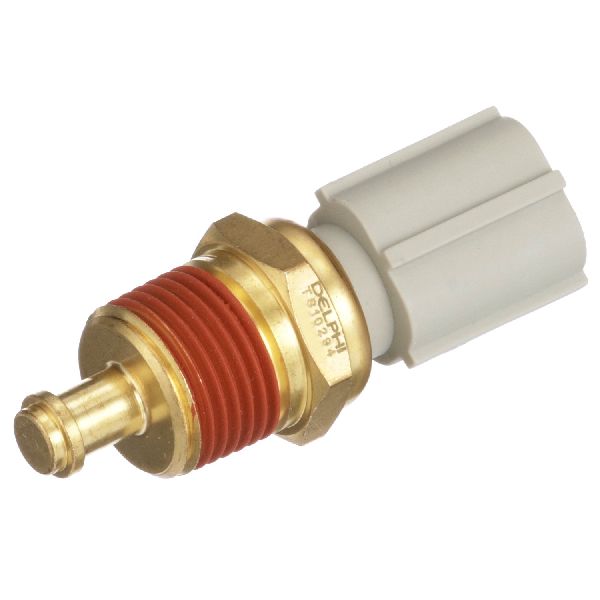
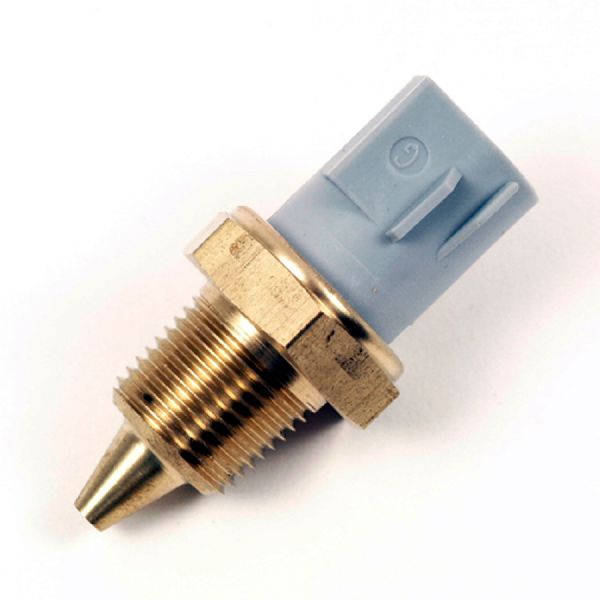
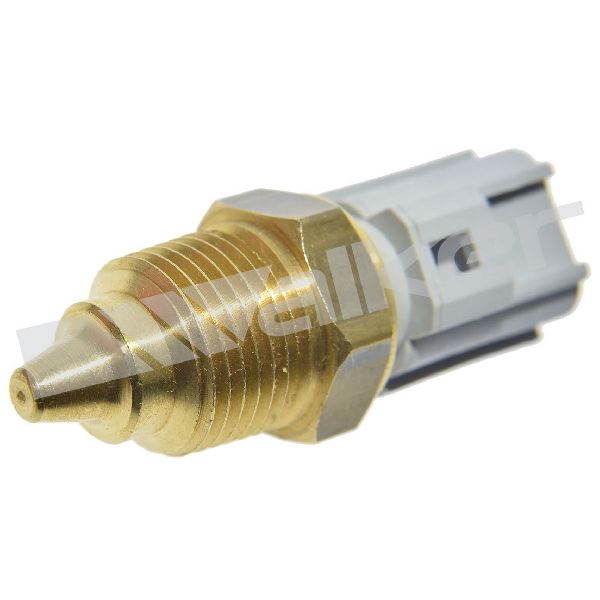
Two-terminal, blade-style connector, threaded-in mounting type.
We Have This Part in Stock


The information in this article is provided for general reference and educational purposes only. Vehicle specifications, procedures, and part compatibility can vary by production date, trim level, and region. Always consult your vehicle's factory service manual and verify part numbers before purchasing or performing repairs. Safety-critical components such as airbags, seat belts, and braking systems should be installed by a qualified professional.
- Mercury Sable: