

Engine Coolant Temperature Sensor Guide for 1995-2000 Mitsubishi Eclipse
Understand, diagnose, and replace the engine coolant temperature sensor on your 2G Eclipse.
- A failing ECT sensor commonly causes a Check Engine Light with codes P0115, P0117, or P0118.
- Symptoms include poor fuel economy, black smoke, rough idle, and potential overheating.
- For this critical part, consider premium aftermarket brands like NGK, Delphi, or Standard Ignition for better accuracy and reliability.
- The sensor is located on the thermostat housing and is a simple replacement, but be prepared for some coolant spillage.
Understanding the Coolant Temp Sensor in Your 1995-2000 Eclipse
The Engine Coolant Temperature (ECT) sensor in your second-generation (2G) Mitsubishi Eclipse is a key messenger for the engine's main computer. It tells the computer how hot or cold the engine is. Based on this single piece of information, the computer adjusts how much fuel to inject and when to fire the spark plugs. When this sensor fails, it can send the wrong message, leading to a variety of engine problems. It's a common failure point on many vehicles due to its constant exposure to heat cycles.
Symptoms of a Failing ECT Sensor
A bad ECT sensor can make your Eclipse act up in several ways. Because the sensor's signal is so important for fuel calculations, a faulty one often causes issues that seem unrelated. Here are the most common signs:
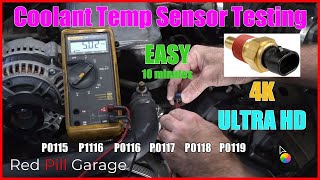
- Check Engine Light: This is often the first sign. The computer knows when the sensor's signal is out of the normal range and will trigger a warning light. Common codes include P0115, P0117, and P0118. 🎬 Watch this guide to diagnosing P0117 and P0118 trouble codes.
- Poor Fuel Economy: If the sensor wrongly tells the computer the engine is cold, the computer will inject extra fuel. This rich fuel mixture wastes gas.
- Black Smoke from Exhaust: A very rich fuel mixture from a bad sensor signal can result in unburned fuel leaving through the exhaust, creating black smoke.
- Engine Overheating: If the sensor fails to report that the engine is getting too hot, the cooling fans may not turn on when they should.
- Rough Idle or Stalling: The wrong fuel mixture can make the engine run poorly, especially at idle.
- Hard Starting: When the engine is cold, it needs a specific fuel mixture to start easily. A bad sensor can prevent this, making the car hard to start.
A Note on Aftermarket Sensor Accuracy
Some owners in the DSM (Diamond-Star Motors) community have reported that certain aftermarket ECT sensors can read inaccurately—sometimes by as much as 10 degrees Celsius (about 18°F). This can cause the ECU to pull ignition timing and affect performance. While many aftermarket sensors work fine, sticking to a reputable brand or a genuine OEM part is often recommended for critical sensors like this one.
Choosing the Right Aftermarket Sensor
With many brands available, picking the right one can be confusing. They generally fall into a few tiers based on quality and reputation among enthusiasts.
| Brand Tier | Brands | General Consensus |
|---|---|---|
| Premium Aftermarket | NGK/NTK, Delphi, Standard Ignition (SMP) | These brands are often considered high-quality replacements. NGK/NTK and Delphi are known OE suppliers with a reputation for reliable sensors. Standard Motor Products (SMP) is also a long-standing brand with a generally positive reputation, often considered near-OEM quality. |
| Standard Aftermarket | Hella, Four Seasons, Walker Products, Vemo | These brands offer a balance of price and quality. They are generally reliable for most daily driving applications but may not have the same stringent testing as premium or OEM parts. |
| Economy Aftermarket | Calorstat, Facet, Global Parts, True Tech, Holstein | These are budget-friendly options. While they will function, some owners have reported issues with accuracy or longevity with lower-cost sensors. They can be a good choice if the budget is the primary concern, but be aware of the potential for inconsistent performance. |
Pro Tip: Sensor Location
On the 1995-2000 Eclipse, the ECT sensor is typically located on the thermostat housing. For 4G63T engines (turbo models), this is on the driver's side of the cylinder head. For 420A engines (non-turbo models), it's in a similar area near the upper radiator hose outlet. Always let the engine cool down completely before attempting a replacement to avoid burns from hot coolant.
Frequently Asked Questions
Is there a recall on the ECT sensor for my Eclipse?
No, there have been no specific recalls issued by the NHTSA for the engine coolant temperature sensor on the 1995-2000 Mitsubishi Eclipse.
What's the difference between the ECT sensor and the temperature sender?
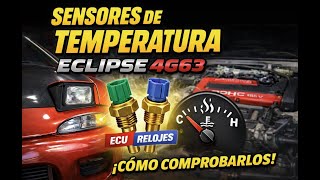
Your Eclipse has two sensors. The ECT sensor (the focus of this article) sends information to the engine computer (ECU). A second, separate sensor, called the temperature sender or sending unit, operates the temperature gauge on your dashboard. They are not interchangeable.
🎬 See how to test both the ECU sensor and gauge sender.Can a bad ECT sensor cause my car to fail an emissions test?
Yes. A faulty sensor that causes a rich fuel mixture can lead to high carbon monoxide (CO) and hydrocarbon (HC) readings, which will cause you to fail an emissions test.
Do I need to drain the coolant to replace the sensor?
You don't need to drain the entire system, but you will lose some coolant when you unscrew the old sensor. To minimize loss, have the new sensor ready to screw in immediately. After replacement, you will need to top off the coolant and bleed any air from the system.
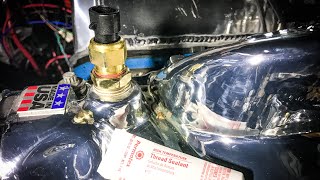
🎬 Watch a walkthrough on installing your new sensor the right way.Helpful Videos
Technical Specifications
OEM Part Numbers: MD177572 MD182467
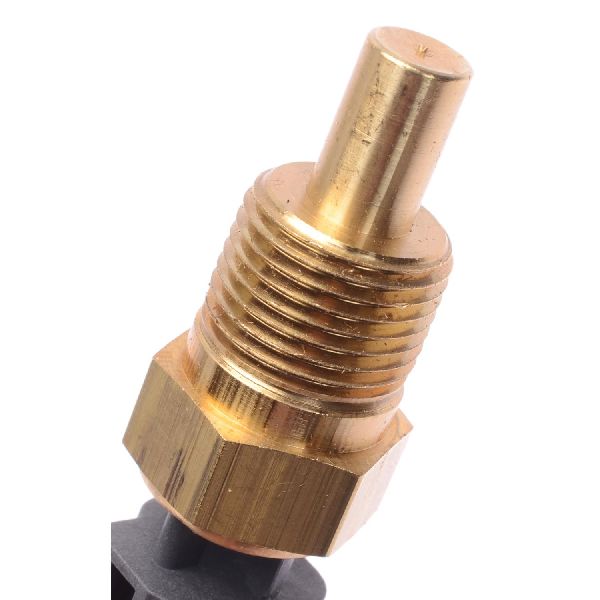
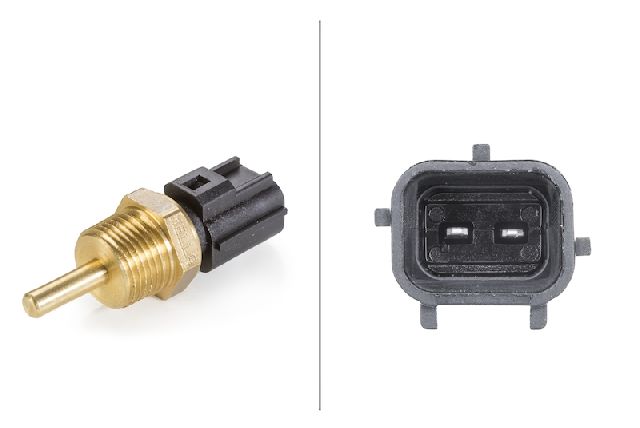
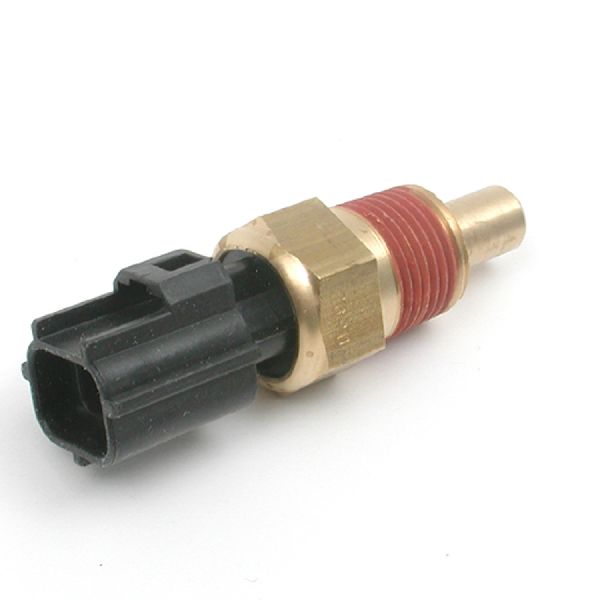
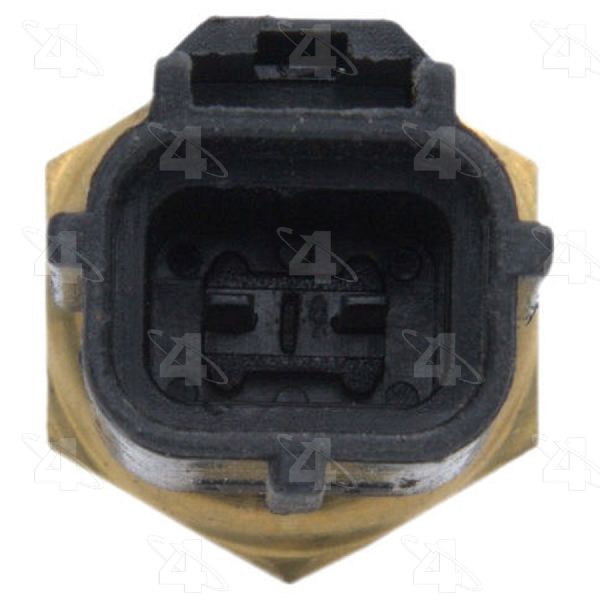
Typically a 2-pin, threaded brass sensor. The correct sensor depends on the engine (4G63T or 420A), so always verify fitment.
We Have This Part in Stock


The information in this article is provided for general reference and educational purposes only. Vehicle specifications, procedures, and part compatibility can vary by production date, trim level, and region. Always consult your vehicle's factory service manual and verify part numbers before purchasing or performing repairs. Safety-critical components such as airbags, seat belts, and braking systems should be installed by a qualified professional.
- Mitsubishi Eclipse: