

Mitsubishi Eclipse Ignition Coil Guide: 1995-2000
Everything you need to know about replacing the ignition coils on your second-generation (2G) Eclipse.
- First, correctly identify your engine: non-turbo models have the 420A, while turbo models have the 4G63T. They use different ignition coils.
- Symptoms of failure include a rough idle, misfiring, loss of power, and a check engine light with codes P0300-P0304.
- Replacement is an easy DIY job that takes less than 30 minutes with basic tools.
- For reliability, choose reputable aftermarket brands like NGK, Delphi, Hitachi, or Standard Motor Products.
Understanding Ignition Coil Failure in Your Eclipse
The ignition coils in your 1995-2000 Mitsubishi Eclipse are critical for engine performance. When a coil fails, it can't produce the strong spark needed for proper combustion. This leads to noticeable driving problems. Common causes of failure include age, heat from the engine, and oil leaks from the valve cover gasket, which can soak the coils and cause them to short out.
Engine Differences Matter
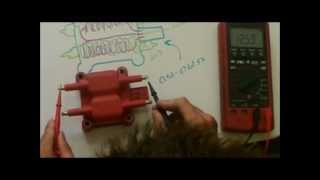
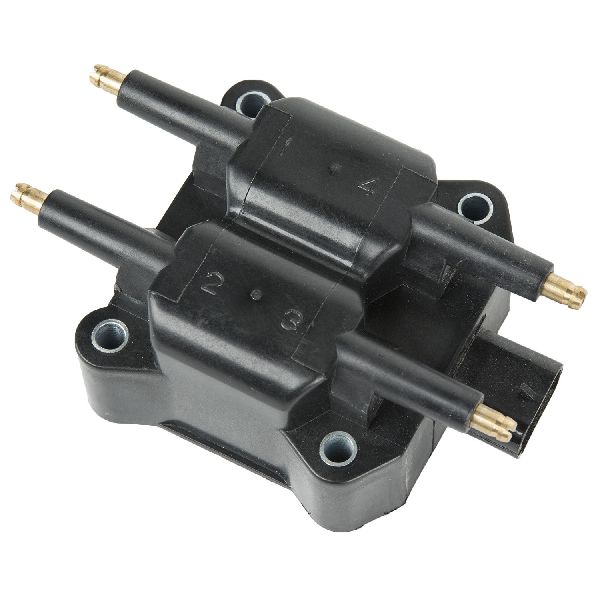
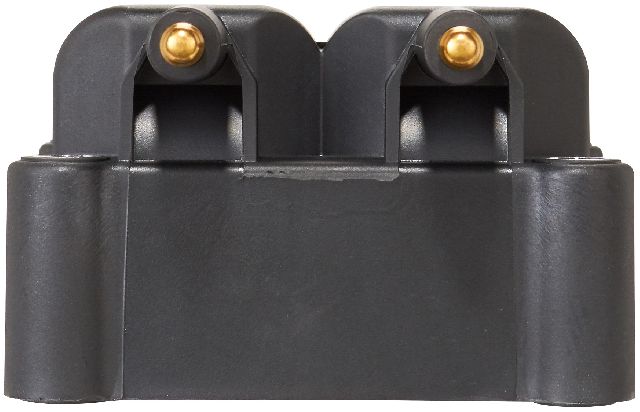
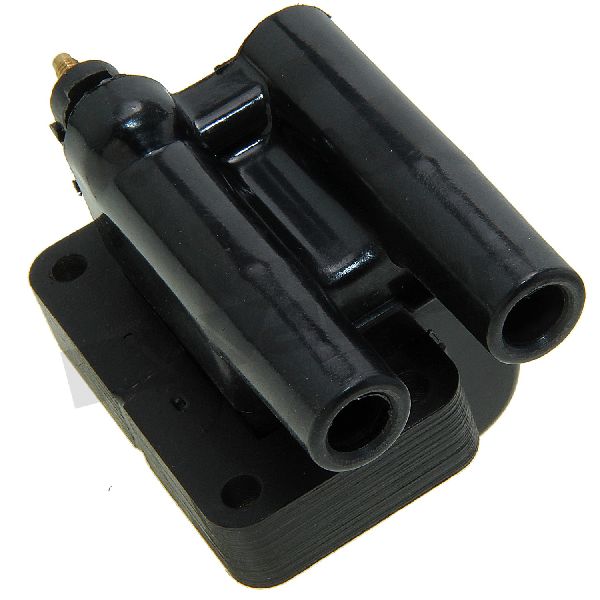
It is crucial to identify your engine before buying parts. Non-turbo models (RS, GS) use the Chrysler-built 420A engine, which has a single, distinct coil pack. 🎬 See this guide on how to test the 420A ignition coil. Turbo models (GS-T, GSX) use the Mitsubishi 4G63T engine, which has a different coil pack design containing two coils. These parts are not interchangeable.
Symptoms of a Bad Ignition Coil
A failing ignition coil will make itself known through poor engine performance. Here are the most common signs:
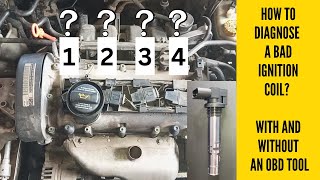
- Check Engine Light: A misfire caused by a bad coil will almost always trigger the check engine light. Common codes include P0300 (random misfire) or P0301-P0304, indicating a misfire in a specific cylinder. 🎬 Watch: How to diagnose a bad coil with or without tools.
- Rough Idle and Misfires: The engine may shake, sputter, or run unevenly, especially when stopped. You might feel a jerking or hesitation when you accelerate.
- Loss of Power: Your Eclipse may feel sluggish and slow to accelerate because one or more cylinders are not contributing power.
- Poor Fuel Economy: When a cylinder misfires, the engine becomes less efficient, burning more fuel to compensate for the power loss.
- Gasoline Smell: Unburned fuel from a misfiring cylinder can travel into the exhaust, creating a noticeable gas smell from the tailpipe.
Choosing the Right Aftermarket Ignition Coil
When replacing a coil, you have options ranging from budget-friendly to premium. For a daily driver, sticking to reputable brands is a smart move to avoid premature failure. Based on owner feedback and brand reputation, here’s how they generally stack up for your Eclipse.
Tier 1: OEM Quality & High-Performance
These brands are known for meeting or exceeding original equipment standards and are a top choice for reliability and performance.
- NGK: A highly respected name in ignition systems, NGK coils are engineered for high spark energy and durability. They are a popular choice among enthusiasts.
- Delphi: As a major OEM supplier, Delphi coils are known for their quality construction and reliable performance, designed to match factory specifications.
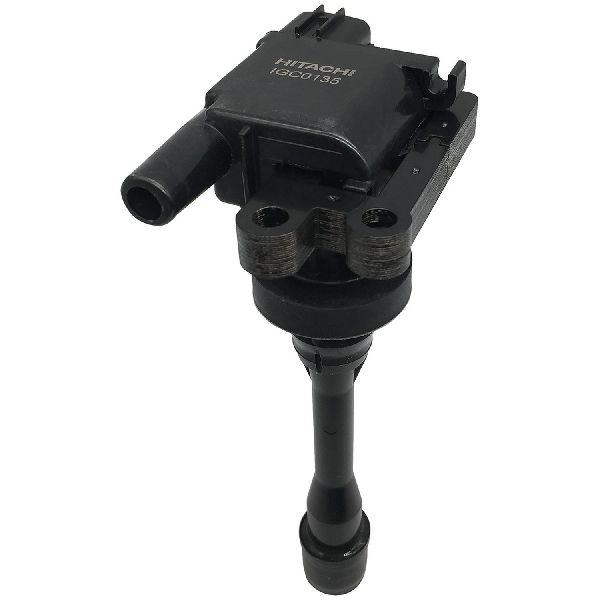
- Hitachi: Often an OEM supplier for Japanese vehicles, Hitachi provides excellent quality and is a trusted choice for a direct-fit replacement.
- MSD: If you have a modified or high-performance Eclipse, MSD offers upgraded coils designed to provide a stronger spark for improved combustion under demanding conditions.
Tier 2: Reliable Aftermarket
These brands offer a good balance of quality and value. They are a solid choice for most owners looking for a dependable replacement without the premium price tag.
- Standard Motor Products (SMP): A long-standing brand in the aftermarket, SMP offers parts that are generally considered reliable and a good alternative to OEM.
- Spectra Premium: Known for a wide range of automotive parts, Spectra offers ignition coils that are a cost-effective replacement option.
- Walker Products: This brand provides reliable aftermarket electronic components, including ignition coils that fit and function correctly.
Tier 3: Budget Options
Brands like DriveWire and other private-label offerings fall into this category. While their low price is appealing, quality can be inconsistent. They may be suitable for a temporary fix or if budget is the absolute primary concern, but be aware that their lifespan may be shorter than premium brands.
| Item | Estimated Cost |
|---|---|
| OEM Ignition Coil (Dealer) | $336 - $608 |
| Aftermarket Ignition Coil | $22.63 - $202.58 |
| Shop Labor Cost | $65 - $96 |
| Total (DIY Aftermarket) | $22.63 - $202.58 |
| Total (Shop-Installed Aftermarket) | $87.63 - $298.58 |
Frequently Asked Questions
Is it hard to replace the ignition coil on a 1995-2000 Eclipse?
No, this is a very DIY-friendly job. The coil pack is located on top of the engine and is easily accessible. It is typically held in place by a few bolts. Basic hand tools like a socket set are all that's needed.
Should I replace all coils at once?
The 420A engine has a single coil pack, so you replace the whole unit. For the 4G63T engine, the coils are part of a single assembly but can sometimes be replaced individually. However, since they are the same age and have been exposed to the same conditions, it is good practice to replace them as a set to prevent future failures.
Do I need to replace my spark plugs with the ignition coil?
It is highly recommended. A failing ignition coil can damage spark plugs, and worn spark plugs can put extra strain on a new coil. Replacing them together ensures your ignition system is in top condition. Also, consider replacing the spark plug wires if they are old or show signs of wear.
What is dielectric grease and should I use it?
Dielectric grease is a non-conductive, silicone-based grease applied to the inside of the ignition coil boot before installing it on the spark plug. It helps seal out moisture and makes it easier to remove the coil in the future. Using a small amount is recommended.
Are there any recalls for the ignition system on the 2G Eclipse?
Searches of the National Highway Traffic Safety Administration (NHTSA) database did not show any recalls specifically for the ignition coils on the 1995-2000 Mitsubishi Eclipse. There were recalls for fuel system components.
Helpful Videos
Technical Specifications
OEM Part Numbers: MD152648
The 1995-2000 Mitsubishi Eclipse uses a distributorless, coil pack ignition system. Non-turbo (420A) engines use a single coil pack. Turbo (4G63T) engines use a coil pack assembly containing two coils. The system converts 12V battery power to high voltage to fire the spark plugs.
We Have This Part in Stock


The information in this article is provided for general reference and educational purposes only. Vehicle specifications, procedures, and part compatibility can vary by production date, trim level, and region. Always consult your vehicle's factory service manual and verify part numbers before purchasing or performing repairs. Safety-critical components such as airbags, seat belts, and braking systems should be installed by a qualified professional.
- Mitsubishi Eclipse:
- 🎬 Helpful Videos
- 🛍️ Shop This Part
- Understanding Ignition Coil Failure in Your Eclipse
- Engine Differences Matter
- Symptoms of a Bad Ignition Coil
- Choosing the Right Aftermarket Ignition Coil
- Tier 1: OEM Quality & High-Performance
- Tier 2: Reliable Aftermarket
- Tier 3: Budget Options
- Frequently Asked Questions
- 🎟️ Get 5% Off