

1995-2000 Mitsubishi Eclipse Front Suspension Ball Joint Guide
Clunking noises and sloppy steering in your 2G Eclipse could mean it's time for new ball joints.
- A major safety recall was issued for the 1995-1999 Eclipse lower ball joints due to risk of failure; all original parts should be considered suspect.
- Symptoms include clunking noises, loose steering, and uneven tire wear.
- Replacing the entire control arm with the ball joint pre-installed is often the recommended repair method for this car.
- A wheel alignment is mandatory after the replacement to prevent handling issues and tire damage.
Is Your Eclipse Making Noise? Signs of a Bad Ball Joint
A failing ball joint isn't subtle. It will give you clear warning signs that something is wrong with your front suspension. The most common symptom is a clunking or knocking sound from the front of the car, especially when driving over bumps or making sharp, slow turns. You might also notice your steering feels loose, vague, or wanders, forcing you to constantly make small corrections to stay straight. Another key sign is uneven tire wear, where the inside or outside edge of your front tires wears down much faster than the rest.
A Critical Safety Issue
Do not ignore these symptoms. A completely failed ball joint can separate from the steering knuckle. This will cause the wheel to fold sideways, leading to a total loss of steering control and a potential crash.
Choosing the Right Aftermarket Ball Joint
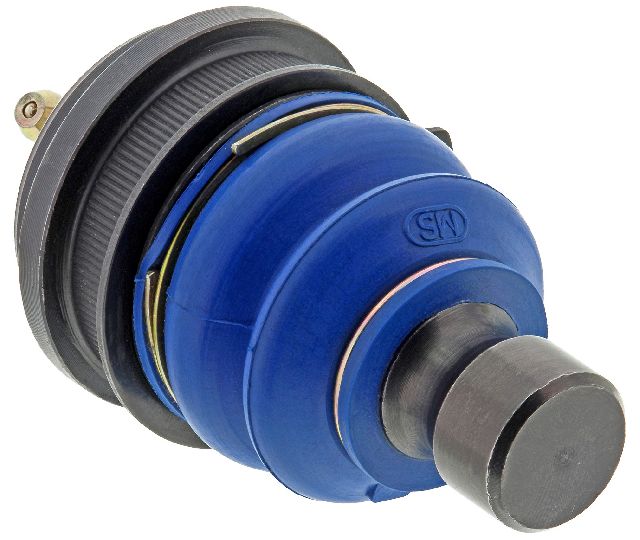
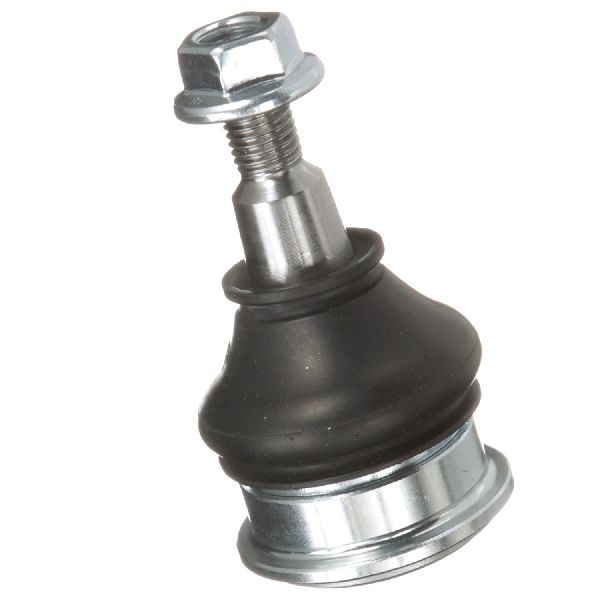
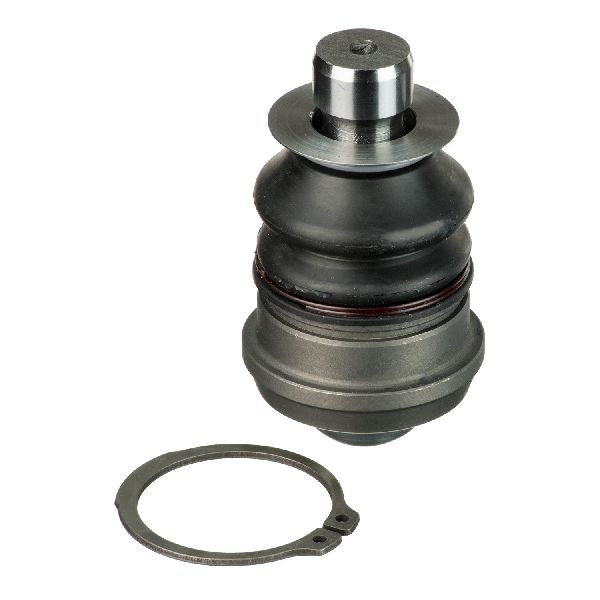
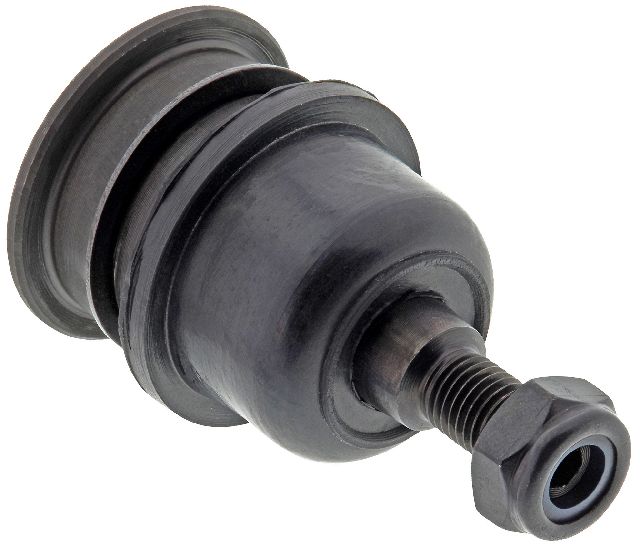
When shopping for new ball joints for your 2G Eclipse, you'll find parts sold individually and as part of a complete control arm assembly. Replacing the entire control arm is often easier and renews the bushings at the same time. Aftermarket brands can be grouped into quality tiers.
- Premium Brands (Moog, Delphi): These brands are known for making parts that meet or exceed original equipment (OE) quality. Moog's "Problem Solver" line is well-regarded, and Delphi is a trusted OEM supplier. They are an excellent choice for owners who want the best durability and performance.
- Standard / Mid-Range Brands (Mevotech): Mevotech is a popular choice that balances cost and quality. They offer different lines, such as the "Supreme" series for daily drivers, which provide good performance for the price. Many owners have had good experiences with these parts.
- Economy Brands (QuickSteer, Suspensia, Store Brands): These brands offer the lowest price point. While tempting for a budget repair, be aware that some owners have reported faster wear and premature failure with lower-cost parts. They may be suitable for a car that is driven infrequently, but for a daily driver, investing in a higher-tier brand is often worth it.
Known Issues: Lower Ball Joint Recall
The 1995-1999 Mitsubishi Eclipse was subject to a major safety recall for the front lower ball joints (NHTSA Campaign ID: 00V421001). The issue was that moisture could get into the joint, causing rapid wear and potential separation. Dealers were instructed to inspect the joints and either replace the control arm or apply a special sealant. While this recall is very old, it highlights a known weak point. Any 2G Eclipse on the road today is well past the point where these original or even early replacement parts would be considered safe. Regular inspection is critical.
| Part / Service | Estimated Cost |
|---|---|
| New Aftermarket Part (Ball Joint or Control Arm w/ Ball Joint) | $17 - $117 |
| Professional Shop Labor | $150 - $375 |
| Wheel Alignment (Required) | $80 - $150 |
Pro Tip: Replace in Pairs
If one ball joint has failed, the one on the other side has experienced the same amount of wear and is likely not far behind. It's always recommended to replace suspension components like ball joints in pairs (both left and right sides) to ensure balanced handling and prevent another repair job in the near future.
Frequently Asked Questions
Do I need a wheel alignment after replacing ball joints?
Yes, absolutely. Replacing a ball joint or control arm will change your vehicle's suspension geometry. A full four-wheel alignment is required to ensure proper handling, prevent pulling, and avoid rapid tire wear.
Can I replace just the ball joint, or do I need the whole control arm?
For the 2G Eclipse, the lower ball joint is often sold as an integrated part of the lower control arm. While some press-in individual joints may be available, most DIYers and shops find it faster and more effective to replace the entire arm, which also replaces the old rubber bushings.
Is this a difficult job to do at home?
For an experienced DIY mechanic, it is a manageable but moderately difficult job. It requires safely lifting and supporting the vehicle on jack stands, and you may need a ball joint separator (pickle fork) or a large hammer to separate the joint from the knuckle. If you are not comfortable with suspension work, it is best left to a professional.
How long do aftermarket ball joints last?
Lifespan depends heavily on the brand's quality, road conditions, and your driving style. A premium aftermarket ball joint can last 70,000 miles or more, while economy parts may wear out much sooner.
Technical Specifications
OEM Part Numbers: MB176047
The front suspension uses an upper and lower control arm design. The lower ball joint is a common failure point and is often serviced by replacing the entire lower control arm assembly.
We Have This Part in Stock

The information in this article is provided for general reference and educational purposes only. Vehicle specifications, procedures, and part compatibility can vary by production date, trim level, and region. Always consult your vehicle's factory service manual and verify part numbers before purchasing or performing repairs. Safety-critical components such as airbags, seat belts, and braking systems should be installed by a qualified professional.
- Mitsubishi Eclipse: