

Chevrolet P30 Engine Oil Pressure Switch Guide (1995-2001)
Understanding and replacing the engine oil pressure switch on your 1995-2001 Chevrolet P30 chassis.
- Always treat an oil pressure warning as a critical emergency until you verify the oil level is safe.
- A bad switch can cause a wildly inaccurate gauge, a false warning light, or an oil leak.
- Before buying, confirm if your P30 has one combination switch or two separate units for the gauge and fuel pump.
- Choose a reputable aftermarket brand like Standard Ignition (SMP) for better reliability than budget parts.
Is Your P30 Oil Pressure Gauge Acting Up?
A faulty engine oil pressure switch is a common issue on older GM vehicles like the Chevrolet P30. The symptoms can be confusing, ranging from minor annoyances to serious warnings. Because a true loss of oil pressure can destroy your engine in minutes, it's a problem that should be diagnosed immediately.
Symptoms of a Failing Oil Pressure Switch
Before the switch fails completely, it will often give you warning signs. Look out for:
- Erratic Gauge Readings: The most common symptom is an oil pressure gauge that behaves strangely. It might swing wildly from high to low, get stuck at maximum, or drop to zero and then pop back up.
- Warning Light On: The oil pressure warning light may illuminate on your dash, either staying on constantly or flickering, even when you know the oil level is correct.
- External Oil Leaks: The switch itself can fail and leak oil. You may see oil residue on the sensor or notice drips coming from the back of the engine near the firewall.
- Check Engine Light: In some cases, a failing sensor can trigger the Check Engine Light with codes related to the oil pressure sensor circuit (P0520-P0524). 🎬 Watch: Diagnosing low pressure readings and P0522 codes on GM trucks.
Choosing the Right Aftermarket Part
For a vehicle like the 1995-2001 P30, new OEM parts from GM (ACDelco) can be hard to find or expensive. The aftermarket offers many options, but quality can vary. Based on owner feedback and brand reputation for GM sensors, here's how to choose:
- Premium Aftermarket (Recommended): Brands like Standard Ignition (SMP) have a strong reputation among mechanics and DIYers for producing reliable sensors that meet or exceed OE specifications. They are often considered a top-tier choice when an original GM part isn't an option.
- Standard Aftermarket: Rostra Powertrain is a known manufacturer of automotive electronics and is certified for quality manufacturing (TS16949), making them a viable option.
- Budget/Unknown Brands: While there are cheaper options like Global Parts, there is little to no public information or reviews available to verify their quality or reliability for this specific application. For a sensor this critical, it's usually worth spending a little more for a brand with a proven track record.
| Part Tier | Price Range |
|---|---|
| Premium Aftermarket (e.g., Standard Ignition) | $45 - $75 |
| Standard Aftermarket (e.g., Rostra Powertrain) | $30 - $50 |
| Budget Aftermarket | $21 - $35 |
Frequently Asked Questions (FAQ)
Where is the oil pressure switch on a 1995-2001 Chevy P30?
It's typically located at the top of the engine block, behind the distributor cap, close to the firewall. Access can be very tight, especially in a van or RV body. 🎬 See this walkthrough for an easier way to access the sensor. On some models, a second sensor for the gauge may be located on the side of the block near the oil filter.
Can I replace the oil pressure switch myself?
Yes, this is a DIY-feasible job for someone with mechanical experience. However, due to the tight location, it can be frustrating. You will need a special oil pressure switch socket to remove and install it without causing damage.
🎬 Watch: How to replace the switch without removing the intake manifold.Why does my P30 have two oil pressure switches?
On some older GM fuel-injected engines, one switch/sender operates the dashboard gauge, while a separate switch acts as a redundant power supply for the fuel pump. This was a safety feature. Later models often combined these functions into a single unit.
Is an OEM sensor better than aftermarket for my P30?
Many enthusiasts prefer OEM sensors, but for an older vehicle, a high-quality aftermarket part from a reputable brand like Standard Ignition (SMP) is often just as good, if not better, than what is currently available as a service replacement. Avoid the cheapest options, as premature failure is common with low-quality sensors.
Helpful Videos
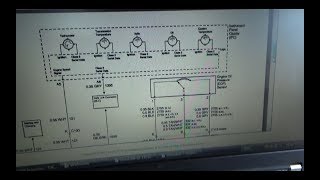
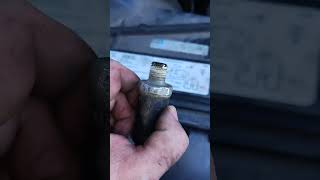
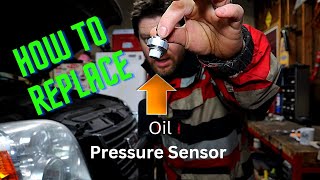
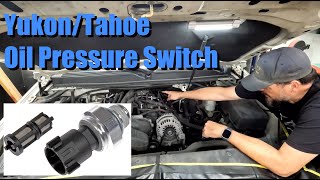
Technical Specifications
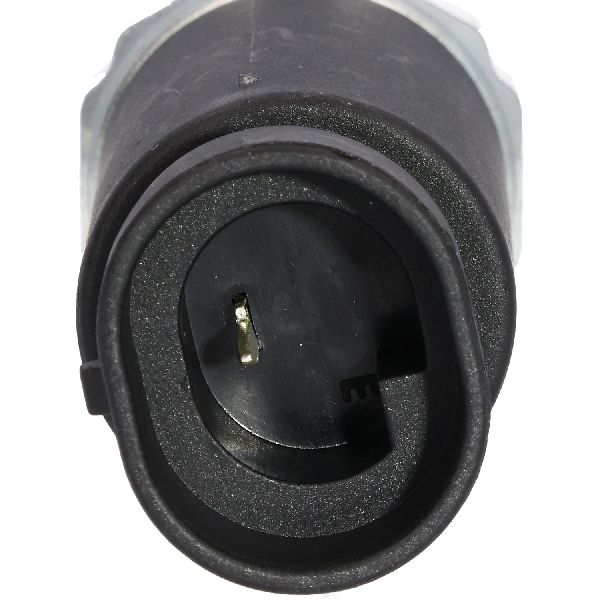
Varies by engine (5.7L, 7.4L, etc.) and function (gauge sender, fuel pump switch, or combination). May have 1, 2, or 3 electrical pins. A special deep socket is required for removal and installation.
We Have This Part in Stock


The information in this article is provided for general reference and educational purposes only. Vehicle specifications, procedures, and part compatibility can vary by production date, trim level, and region. Always consult your vehicle's factory service manual and verify part numbers before purchasing or performing repairs. Safety-critical components such as airbags, seat belts, and braking systems should be installed by a qualified professional.
- Chevrolet P30: