

A Guide to Disc Brake Calipers for the 1995-2001 Chrysler Cirrus
Address pulling, dragging, or spongy brakes by choosing the right replacement caliper for your Cirrus.
- A seized caliper is the most common failure, causing pulling, dragging, and uneven pad wear.
- Always replace calipers in pairs (both front or both rear) to ensure balanced braking.
- Be aware of related recalls for brake lines and hoses on 1998-2000 models which can cause similar symptoms.
- Properly bleeding the brake system after installation is critical for safety and performance.
Is Your Chrysler Cirrus Brake Caliper Failing?
Brake calipers on the 1995-2001 Chrysler Cirrus are generally durable, but they can fail over time, usually by seizing or leaking. A seized caliper piston or stuck slide pins can cause the brake on one wheel to either not apply correctly or, more commonly, fail to release. This leads to a host of braking problems that should be addressed immediately.
Symptoms of a Bad Caliper
- Vehicle Pulling: The most common symptom is the car pulling to one side when you brake. If a caliper is seized, it won't apply the same pressure as the one on the other side, causing an imbalance.
- Dragging Sensation: If a caliper is stuck and doesn't release the brake pad, you might feel a constant dragging or sluggishness while driving, as if the brake is always slightly on. This can also produce a noticeable burning smell after driving.
- Uneven Brake Pad Wear: When you inspect your brake pads, you may find that the pads on one side of the car are significantly more worn than the other. A stuck caliper will wear down its pads very quickly.
- Brake Fluid Leaks: You might see brake fluid, which has an oily consistency, on the ground near your wheel or coating the inside of the wheel itself. This is often due to a failed piston seal in the caliper.
- Spongy Brake Pedal: A leaking caliper can allow air into the hydraulic system, leading to a soft or spongy feeling when you press the brake pedal.
Important Recall Information
While there are no recalls specifically for the brake calipers on the 1995-2001 Cirrus, there were recalls for related brake components. For 1998-2000 models, recalls were issued for brake tubes and hoses that could be damaged, leading to a brake fluid leak and a loss of braking power. Specifically, the right rear brake tube could rub against an exhaust clamp, and a front brake hose bracket could have an inadequate weld. When diagnosing brake issues, it's wise to inspect these lines for any signs of wear or leakage.
Choosing the Right Aftermarket Caliper
For a vehicle like the 1995-2001 Cirrus, new aftermarket calipers offer excellent value and are often more readily available than new OEM (Original Equipment Manufacturer) parts. Most aftermarket calipers are remanufactured, meaning an original caliper core has been cleaned, inspected, and rebuilt with new seals, boots, and sometimes a new piston. The quality can vary by brand.
Aftermarket Brand Tiers
- Premium Aftermarket (Raybestos, Centric): Brands like Raybestos and Centric are well-regarded in the brake industry. Raybestos often offers newly manufactured calipers in addition to remanufactured ones, sometimes with a zinc plating for better corrosion resistance. Centric is known for a quality remanufacturing process, often replacing all wear components to ensure performance that feels like new. These are solid choices for reliability.
- Standard Aftermarket (Cardone, BBB Industries): Cardone and BBB Industries are popular choices that provide good value. While many users have had years of success with these brands, the quality control can sometimes be inconsistent compared to premium lines. They are a cost-effective solution for a daily driver, but it's important to inspect the part carefully before installation.
Pro Tip: Check the Slide Pins First
Before you replace the entire caliper, check the caliper slide pins. These pins allow the caliper to float, and they can seize up with rust and old grease. If the piston is still good but the pins are stuck, you can often solve a dragging issue by simply cleaning and re-lubricating the slide pins with high-temperature brake grease.
Estimated Replacement Costs
The cost to replace a brake caliper can vary based on your location and whether you do the work yourself or use a professional mechanic.
| Part / Service | Estimated Cost |
|---|---|
| New Aftermarket Caliper | $41 - $63 |
| Remanufactured Aftermarket Caliper | $45 - $70 (may include a refundable core charge) |
| Shop Labor (per caliper) | $125 - $250 |
| Total Professional Installation (per caliper) | $166 - $313 |
Frequently Asked Questions
Should I replace brake calipers in pairs?
Yes, it is highly recommended to replace brake calipers in pairs (both front calipers or both rear calipers at the same time). This ensures even braking performance and prevents the car from pulling to one side, as a new caliper will function more efficiently than an old one.
What is a 'core charge'?
A core charge is a deposit you pay when buying a remanufactured part. You get this deposit back when you return your old, worn-out caliper to the store. This process allows manufacturers to rebuild the old part, which is more environmentally friendly and helps keep costs down.
Do new calipers come with brackets and hardware?
It depends. Some calipers are sold 'loaded' with new brake pads or 'semi-loaded' with the mounting bracket and hardware (like new slide pins and clips). Others are sold as 'bare' calipers. Always check the product description to see what is included so you can purchase any necessary hardware kits separately.
Is bleeding the brakes necessary after replacing a caliper?
Absolutely. Whenever you disconnect a brake line, air enters the hydraulic system. You must bleed the brakes after installing the new caliper to remove all air bubbles. Failure to do so will result in a spongy brake pedal and severely reduced stopping power.
Technical Specifications
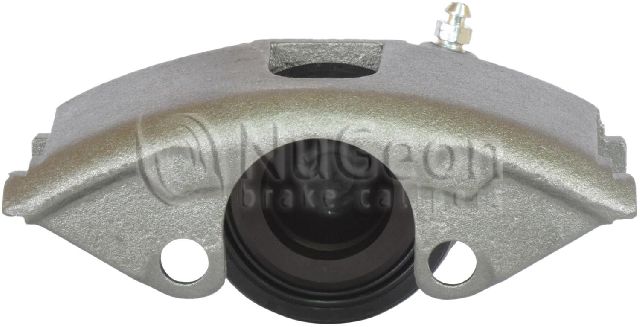
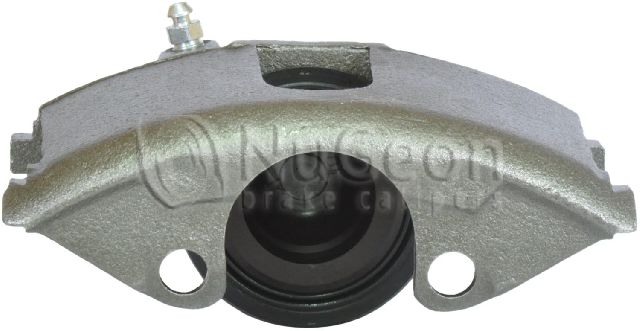
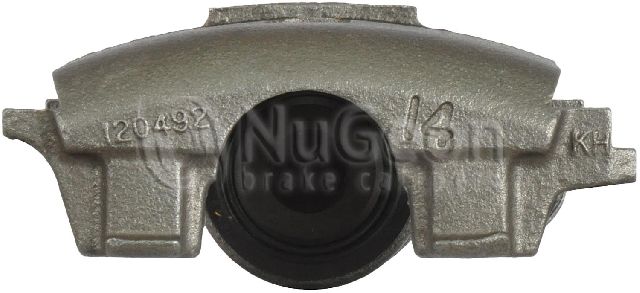
The 1995-2001 Chrysler Cirrus uses a single-piston floating caliper design for both front and rear disc brakes. Ensure you are purchasing the correct part for the front or rear axle and for the driver or passenger side, as they are not interchangeable.
We Have This Part in Stock




The information in this article is provided for general reference and educational purposes only. Vehicle specifications, procedures, and part compatibility can vary by production date, trim level, and region. Always consult your vehicle's factory service manual and verify part numbers before purchasing or performing repairs. Safety-critical components such as airbags, seat belts, and braking systems should be installed by a qualified professional.
- Chrysler Cirrus: