

Chrysler Cirrus Crankshaft Position Sensor: A Guide for 1995-2001 Models
Solving stalling, no-start, and rough running issues in your 1995-2001 Chrysler Cirrus starts with this critical sensor.
- A stalling or no-start condition is the most common sign of a bad crankshaft sensor in a Cirrus.
- For the 2.4L engine, always inspect the wiring harness for damage before replacing the sensor itself.
- Replacement on the 2.5L V6 is very difficult due to the sensor's buried location.
- Choose a quality aftermarket brand like Delphi, NGK, or Standard Ignition for best results, as these cars can be sensitive to sensor electronics.
Is Your Cirrus Stalling or Refusing to Start?
A failing crankshaft position sensor is one of the most common reasons for a 1995-2001 Chrysler Cirrus to suddenly stall or fail to start. When this sensor begins to fail, it often does so intermittently, especially when the engine gets hot. You might experience the engine cutting out while driving, only to have it start again after cooling down for a period. This can be a dangerous situation, as a stall at speed will cause a loss of power steering and power brake assist.
Pro Tip: Check Wires Before Replacing Parts (2.4L Engine)
For the 2.4L engine, the wiring harness leading to the crankshaft sensor is a known weak point. The wires can become brittle over time, causing the insulation to crack and the wires to short-circuit against each other or the engine block. This will cause the exact same symptoms as a failed sensor. Always inspect the wiring harness carefully for exposed or damaged wires before you buy a new sensor.
Common Symptoms of a Bad Crankshaft Sensor
- Engine Stalls Unexpectedly: The engine may cut out randomly while idling or driving.
- No-Start Condition: The engine will crank over with the key, but it will not fire up and run.
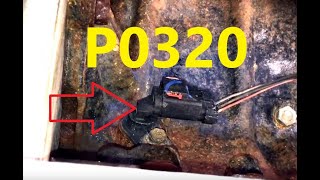
- Check Engine Light: A faulty sensor will trigger the Check Engine Light and store a diagnostic trouble code (DTC), most commonly P0320.
- Rough Idle and Misfires: The engine may shake, vibrate, or run poorly at idle.
- Poor Acceleration: The car may feel sluggish and lack power when you press the gas pedal.
- Decreased Fuel Economy: Inefficient spark and fuel timing can cause the engine to burn more gasoline.
Choosing the Right Aftermarket Sensor
Chrysler vehicles from this era can be sensitive to the quality of electronic sensors. While an OEM Mopar part is a guaranteed fit, high-quality aftermarket brands offer a reliable and more affordable alternative. Cheaper, low-quality sensors may not perform correctly or fail prematurely. We can group the available brands into tiers based on reputation for this application.
- Premium Brands (Recommended): Delphi, NGK, and Standard Ignition (SMP) are well-regarded for their sensor quality and are often considered reliable alternatives to OEM.
- Quality Mid-Range Brands: Brands like Dorman, Walker Products, and Holstein often provide a good balance of quality and value.
- Value Brands: Other brands offer a lower price point, but may have a higher risk of premature failure or performance issues in sensitive Chrysler electronics.
Crankshaft Sensor Replacement Cost
The cost of replacing the crankshaft position sensor depends on your engine and whether you do the job yourself or hire a professional.
| Part or Service | Estimated Cost |
|---|---|
| New Aftermarket Sensor | $24 - $222 |
| Shop Labor | $100 - $250 |
| Total Professional Replacement | $124 - $472 |
Frequently Asked Questions (FAQ)
Where is the crankshaft sensor located on my Cirrus?
The location is different depending on your engine.
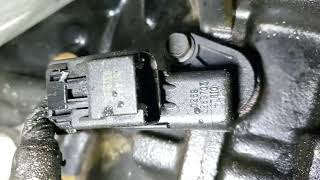
2.4L 4-Cylinder: The sensor is located on the back of the engine block, near the transmission bell housing. Access is difficult from above or below. The wiring harness is a common failure point.
2.5L V6: The sensor is mounted on the top of the transmission bell housing, underneath coolant lines and other components in a very tight space. It is notoriously difficult to access and is often replaced by feeling for it rather than seeing it.
What does the P0320 trouble code mean?
P0320 stands for "Ignition/Distributor Engine Speed Input Circuit Malfunction." It means the vehicle's computer has detected an erratic or missing signal from the crankshaft position sensor (or sometimes the camshaft position sensor). While this code points strongly to a bad sensor, it can also be caused by damaged wiring, a poor connection, or a problem with the sensor's reluctor wheel.
Can I just clean the old sensor?
No. The crankshaft position sensor is a sealed electronic component. Failure is caused by an internal electronic breakdown, not by being dirty. While the sensor can get covered in oil or grime, cleaning the outside will not fix an internally failed part.
Is a difficult DIY job?
It depends on your engine.
2.4L 4-Cylinder: This is a moderately difficult job due to the tight access on the back of the engine.
2.5L V6: This is considered a very difficult DIY job. The sensor is buried, requires working by feel, and can be extremely frustrating to access and replace. Many owners choose to have a professional handle the V6 replacement.
Helpful Videos



Technical Specifications
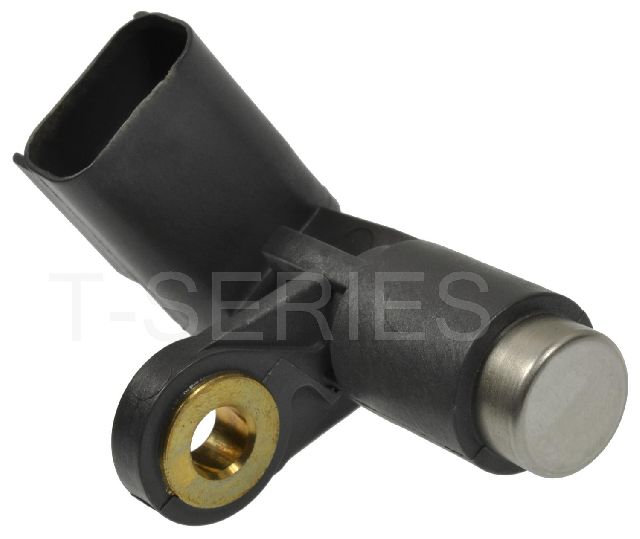
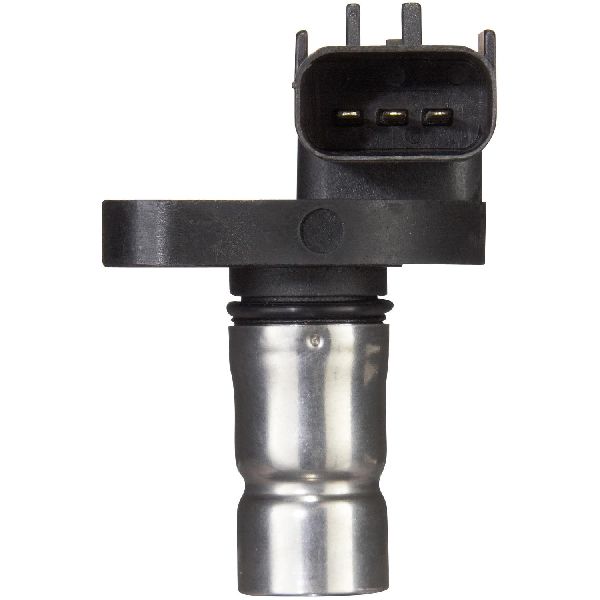
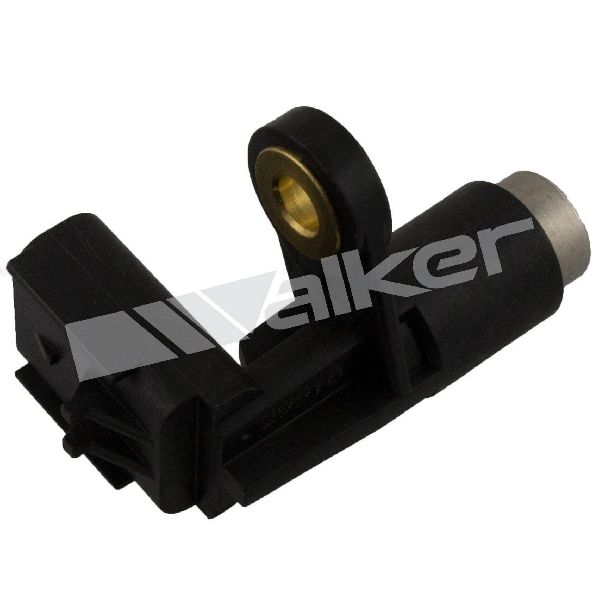
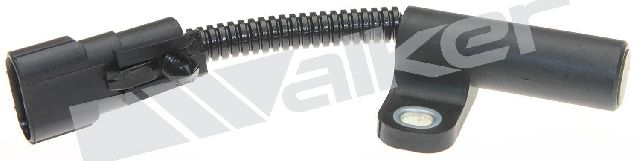
OEM Part Numbers: 4897087AA 5269703 5235377 4609083
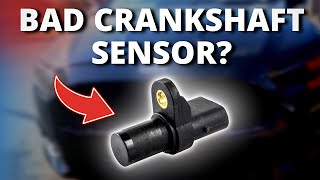
Hall Effect Sensor, 3-Pin Connector
We Have This Part in Stock


The information in this article is provided for general reference and educational purposes only. Vehicle specifications, procedures, and part compatibility can vary by production date, trim level, and region. Always consult your vehicle's factory service manual and verify part numbers before purchasing or performing repairs. Safety-critical components such as airbags, seat belts, and braking systems should be installed by a qualified professional.
- Chrysler Cirrus:
- 🎬 Helpful Videos
- 🛍️ Shop This Part
- Is Your Cirrus Stalling or Refusing to Start?
- Pro Tip: Check Wires Before Replacing Parts (2.4L Engine)
- Common Symptoms of a Bad Crankshaft Sensor
- Choosing the Right Aftermarket Sensor
- Crankshaft Sensor Replacement Cost
- Frequently Asked Questions (FAQ)
- 🎟️ Get 5% Off