

A Guide to Suspension Control Arms for the 1995-2001 Chrysler Sebring
Fixing clunks and steering wander starts with choosing the right part for your specific Sebring Coupe or Convertible.
- You MUST verify if you have a Coupe (Mitsubishi-based) or Convertible (Chrysler-based) before ordering parts; they are not interchangeable.
- The most common failure is worn-out bushings, which is a known issue on these vehicles, causing clunking noises.
- A four-wheel alignment is mandatory immediately after replacing control arms to prevent unsafe handling and rapid tire wear.
- For balanced performance and to avoid a repeat repair, it is best practice to replace control arms in pairs (left and right).
Critical First Step: Is Your Sebring a Coupe or a Convertible?
Before you buy any parts, you must know which 1995-2001 Sebring you own. The Coupe and Convertible models from this era are completely different vehicles built on different platforms.
- 1995-2001 Sebring Coupe: Based on a Mitsubishi Eclipse platform.
- 1996-2001 Sebring Convertible: Based on the Chrysler JA/JR platform, shared with the Chrysler Cirrus and Dodge Stratus.
Their suspension parts, including control arms, are NOT interchangeable. Ordering the wrong part will mean it will not fit your car. Always verify the part is for a "Coupe" or "Convertible" model.
Symptoms of a Failing Control Arm
The main reasons a control arm needs replacement are when its bushings or ball joint wear out. The metal arm itself can last the life of the car unless it's damaged in a collision or severely corroded. A known issue on these Chrysler platforms is the premature failure of the original rubber bushings. Look for these common symptoms:
- Clunking or Popping Noises: This is the most frequent complaint. You'll hear a distinct clunk, pop, or knock from the front suspension, especially when driving over bumps, potholes, or during slow turns. This noise is caused by the worn-out bushing or loose ball joint allowing metal parts to hit each other.
- Steering Wander and Pulling: The car may feel unstable, require constant steering corrections to stay straight, or pull to one side. This happens because the worn arm can no longer hold the wheel in the correct position, affecting alignment.
- Vibrations: You might feel vibrations through the steering wheel or the floor of the car. Worn bushings can no longer absorb road harshness effectively.
- Uneven Tire Wear: If you see the inside or outside edge of your front tires wearing out faster than the rest of the tread, it's a strong sign that a bad control arm has thrown your alignment out of spec.
Choosing the Right Aftermarket Brand
When replacing your Sebring's control arms, you have several aftermarket options. They generally fall into different quality and price tiers. Most aftermarket arms come as a complete assembly with new bushings and a ball joint pre-installed, which saves time and labor.
Pro Tip: Replacing the entire control arm assembly is almost always easier and more cost-effective than trying to press old bushings out and new ones in, especially for a DIY mechanic.
Brand Tiers
- Premium / OEM-Equivalent Tier (Delphi): Delphi is a well-known OEM supplier, and their parts are often engineered to meet or exceed original specifications. They are generally considered a high-quality choice. However, some online owner reviews for other vehicle models mention occasional premature failures of the ball joints or bushings, so quality can sometimes be inconsistent.
- Standard / Value Tier (Dorman, Vaico): Dorman is a major player in the aftermarket and is known for creating parts that often solve known OEM issues. They are a reliable choice for a daily driver, offering a good balance of quality and price. Vaico is a German brand with a decent reputation, though less common in the US market. Some users report good experiences, while others have seen failures within a couple of years, placing it in a similar value category.
- Economy Tier (Suspensia): Brands like Suspensia are typically the most affordable. They are manufactured to be a direct replacement, but may use less robust materials to keep costs down. Some forum users have referred to them as lower-quality parts. This tier is best for a budget-focused repair on an older vehicle where longevity is not the primary concern.
| Item | Estimated Cost |
|---|---|
| New Aftermarket Part | $56 - $325 |
| Shop Labor | $180 - $350 |
| Alignment (Required) | $80 - $150 |
| Total Estimated Cost | $316 - $825 |
Frequently Asked Questions (FAQ)
Do I really need an alignment after replacing a control arm?
Yes, absolutely. Replacing a control arm will always change the vehicle's alignment angles. Skipping the alignment will cause poor handling, unsafe driving characteristics, and will quickly destroy your tires. Plan to have the vehicle aligned immediately after the repair.
Should I replace the left and right control arms at the same time?
It is highly recommended. If the control arm on one side has failed due to wear, the other side is likely not far behind. Replacing them in pairs ensures balanced handling and saves you from having to do the same job and pay for another alignment in the near future.
Is this a difficult job to do myself (DIY)?
For an experienced DIY mechanic, it is a manageable but challenging job. It requires safely lifting and supporting the vehicle, and you will need a good set of tools, including a breaker bar for stubborn bolts and potentially a ball joint separator tool. Rust can make bolt removal difficult. For beginners, this job is likely best left to a professional.
What is the difference between the Coupe and Convertible control arms?
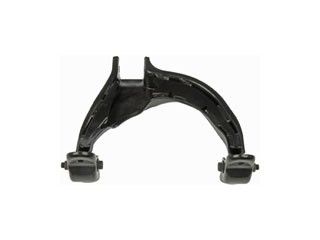
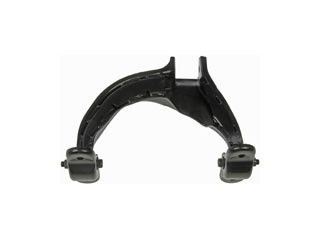
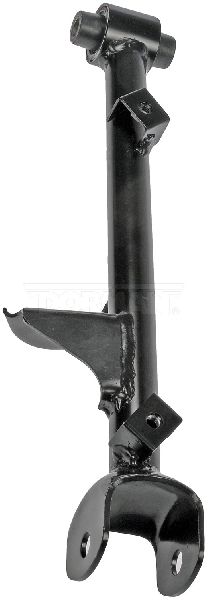
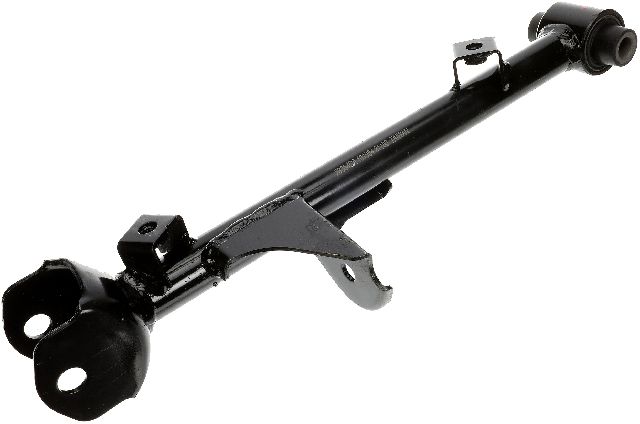
They are completely different parts due to the different chassis designs. The Coupe's control arm is from a Mitsubishi design, while the Convertible's is a Chrysler design. They have different shapes, mounting points, and dimensions. You must order the part that is specified for your exact model.
Technical Specifications
The most critical specification is matching the part to your vehicle's body style: Coupe or Convertible. Control arms for the 1995-2001 Sebring Coupe are based on a Mitsubishi design, while arms for the 1996-2001 Convertible are based on a Chrysler design. They are not cross-compatible.
We Have This Part in Stock
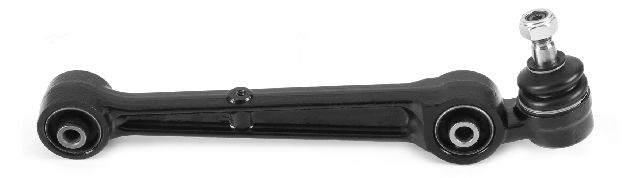


The information in this article is provided for general reference and educational purposes only. Vehicle specifications, procedures, and part compatibility can vary by production date, trim level, and region. Always consult your vehicle's factory service manual and verify part numbers before purchasing or performing repairs. Safety-critical components such as airbags, seat belts, and braking systems should be installed by a qualified professional.
- Chrysler Sebring: