

A Practical Guide to the 1995-2001 Dodge Avenger Automatic Transmission Mount
Stop the shaking and clunking noises by understanding and replacing your Avenger's transmission mount.
- The most common signs of failure are clunking noises when shifting and heavy vibration at idle.
- Aftermarket brands like Anchor and Pioneer are affordable, functional replacements suitable for a daily driver.
- Your Avenger has three powertrain mounts; if one has failed, the others are likely stressed and should be inspected.
- Driving with a bad mount is not recommended as it can cause damage to other components like axles and exhaust.
Is Your Avenger Shaking or Making Loud Noises?
When the automatic transmission mount fails, it can no longer hold the transmission steady. The rubber cracks or separates, causing symptoms that are hard to ignore. If you notice these signs, your mount is likely due for replacement.
- Clunking or Banging Noises: The most common sign is a loud clunk or thud when you shift from Park into Drive or Reverse. You may also hear this noise when you accelerate hard or brake suddenly. This is the sound of the transmission moving and hitting the car's frame.
- Excessive Vibration: A worn mount can't absorb vibrations anymore. You'll feel this as a constant shaking or buzzing in the floor, steering wheel, or seats, especially when the car is idling in gear.
- Feeling of Movement: The car may feel like it lurches or jolts when you accelerate. This is a sign that the entire powertrain is shifting excessively because the mount is no longer holding it securely.
Choosing the Right Aftermarket Mount
For the 1995-2001 Dodge Avenger, the original OEM mounts are likely discontinued or very hard to find. The market is served by aftermarket brands that offer affordable replacements. The most common brands available are Anchor, Pioneer, and Westar.
Pro Tip: Your Avenger has three main powertrain mounts: front, rear, and the transmission mount. When one fails, it puts extra stress on the others. It is wise to inspect all three and consider replacing them as a set to ensure a long-lasting and balanced repair.
Here’s an honest breakdown of what to expect:
- Pioneer / Anchor: These brands are generally considered standard, economy-grade replacements. They get the job done for a daily driven vehicle and will solve the clunking and excessive movement of a completely failed mount. Some user reviews suggest that the rubber used may be harder than the original, which could result in slightly more cabin vibration than a brand-new OEM part, but it will be a major improvement over a broken mount.
- Westar: Often placed in the same category as Anchor, Westar is another economy option. Some direct comparisons have noted that Westar parts may use thinner metal brackets compared to Anchor or OEM.
For a vehicle of this age, an economy aftermarket mount is a practical and cost-effective choice that restores the part's main function of securing the transmission.
Cost of Replacing the Transmission Mount
The cost is very reasonable, especially if you do the work yourself. The part itself is affordable, and labor is straightforward.
| Item | Estimated Cost |
|---|---|
| New Aftermarket Mount | $58 - $82 |
| Shop Labor | $100 - $200 |
| Total Estimated Cost | $158 - $282 |
Cost estimates are for the part and labor only and can vary by location and shop.
Known Issues, Recalls, or TSBs
As of early 2026, there are no specific recalls or Technical Service Bulletins (TSBs) from the NHTSA for the automatic transmission mount on the 1995-2001 Dodge Avenger. Failure of this part is typically due to normal wear and tear over time as the rubber component ages and degrades.
Frequently Asked Questions
Can I drive with a bad transmission mount?
You can, but it is not recommended for an extended period. While the transmission is unlikely to fall out, the excessive movement puts significant stress on other parts like CV axles, exhaust pipes, and the other engine mounts. This can lead to more expensive repairs down the road.
Is replacing the transmission mount a DIY job?
Yes, for a person with moderate mechanical skill and the right tools, this is a very manageable DIY job. You will need a floor jack, jack stands to safely support the vehicle, and a good socket set. The basic process involves supporting the transmission with the jack, unbolting the old mount, and installing the new one.
How do I know it's the transmission mount and not the engine mounts?
The symptoms are very similar because all the mounts work together to secure the powertrain. A visual inspection is the best way to tell. Look for cracked, torn, or separated rubber on all three mounts. Often, if the transmission mount has failed, the engine mounts are not far behind and should be replaced at the same time.
Will an aftermarket mount feel different than the original?
Possibly. Aftermarket mounts, especially economy brands, sometimes use a harder rubber compound than the original factory part. This might transmit slightly more vibration into the cabin at idle. However, it will be a massive improvement over a completely failed mount and will eliminate dangerous powertrain movement.
Technical Specifications
The 1995-2001 Dodge Avenger uses a powertrain mounting system consisting of three primary mounts: a front engine mount, a rear engine mount, and an automatic transmission mount.
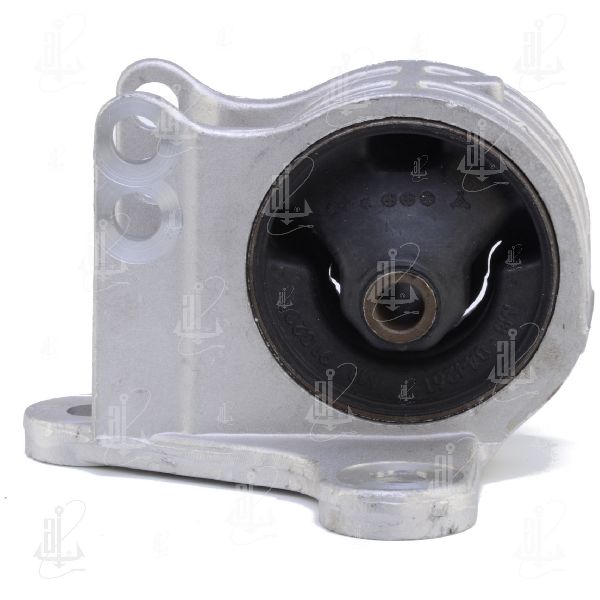
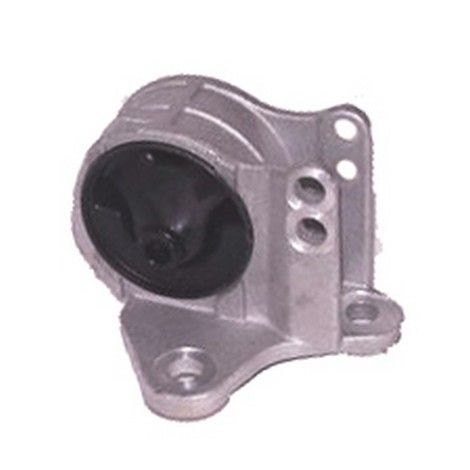
We Have This Part in Stock


The information in this article is provided for general reference and educational purposes only. Vehicle specifications, procedures, and part compatibility can vary by production date, trim level, and region. Always consult your vehicle's factory service manual and verify part numbers before purchasing or performing repairs. Safety-critical components such as airbags, seat belts, and braking systems should be installed by a qualified professional.
- Dodge Avenger: