

Engine Coolant Temperature Sensor Guide for 1995-2001 Dodge Avenger
Solve poor mileage, overheating, and check engine lights by choosing the right replacement sensor for your Avenger.
- A bad sensor directly impacts fuel economy, cooling fan operation, and overall engine performance.
- The replacement is simple and DIY-friendly, but you must let the engine cool completely before starting.
- Premium aftermarket brands like NGK and Delphi offer a reliable, cost-effective alternative to the OEM Mopar part.
- Always inspect the sensor's electrical connector for damage or corrosion, as it can cause identical symptoms.
Symptoms of a Failing Coolant Temperature Sensor
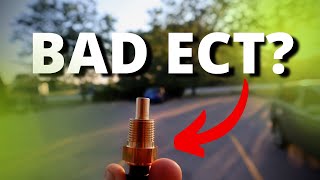
A bad coolant temperature sensor can cause several problems that you might notice while driving. Because the sensor's reading affects so many engine functions, a failure can mimic other issues, but there are 🎬 Watch this video to learn more about common sensor failure signs. common signs to look for.
- Check Engine Light: This is often the first sign. The computer will detect a signal from the sensor that is out of range and trigger a warning light. Common codes include P0115, P0117, and P0118.
- Poor Fuel Economy: If the sensor incorrectly tells the computer the engine is cold, the computer will enrich the fuel mixture, causing your Avenger to use more gas than necessary.
- Engine Overheating or Running Too Cool: A faulty sensor might not signal the cooling fans to turn on when needed, leading to overheating. Conversely, an incorrect signal could cause the temperature gauge on your dash to read incorrectly, either showing hot when it's not or not showing the engine warming up at all.
- Black Smoke from Exhaust: A very rich fuel mixture caused by a bad sensor can result in black smoke coming from the tailpipe as unburned fuel is burned in the exhaust.
- Rough Idle or Stalling: The wrong fuel and timing adjustments can make the engine run poorly, especially when idling or during warm-up.
Let It Cool Down!
Before attempting to replace the sensor, you must let the engine cool completely. Opening the cooling system when it is hot can cause severe burns from pressurized steam and hot coolant.
Choosing the Right Aftermarket Sensor
For the 1995-2001 Dodge Avenger, you have several options for a new aftermarket sensor. The original Mopar part is always an option, but quality aftermarket brands can offer similar performance for a lower price. Here’s how the available brands generally stack up.
Brand Quality Tiers
- Premium Aftermarket (NGK, Delphi): These brands are often original equipment manufacturers for many car companies and are known for their high quality and reliability. They are an excellent choice for a direct, dependable replacement that you can trust to last.
- Standard Aftermarket (Standard Ignition, Walker Products, Holstein): These are well-known aftermarket brands that produce reliable parts. They provide a good balance of quality and cost and are a popular choice for DIY repairs.
- Economy Aftermarket (True Tech, Global Parts, Facet): These brands offer the most budget-friendly options. While they can get the job done, their long-term durability and the precision of their temperature readings may not match that of premium or standard brands.
Check the Connector
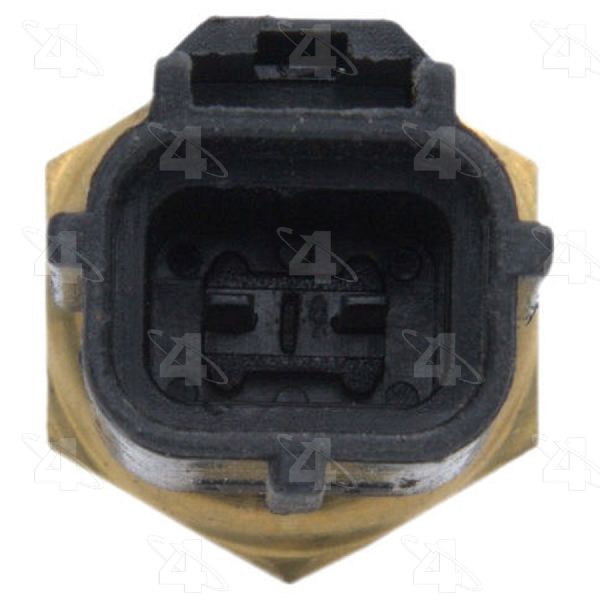
When you replace the sensor, take a moment to inspect the electrical connector. Look for any green corrosion, bent pins, or broken plastic. A bad connection can cause the same symptoms as a failed sensor.
Cost of Replacing the Sensor
The cost to replace the Engine Coolant Temperature Sensor on a 1995-2001 Avenger is relatively low, especially if you do the work yourself.
| Item | Estimated Cost |
|---|---|
| New Aftermarket Part | $12.90 - $117.51 |
| New OEM (Mopar) Part | $50 - $90 |
| Shop Labor | $60 - $120 |
| DIY Total | $12.90 - $117.51 |
| Shop Total | $73 - $238 |
Frequently Asked Questions
Where is the coolant temperature sensor located on my Avenger?
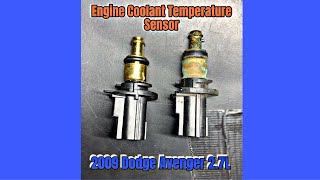
The location depends on your engine. For the 2.5L V6 engine, the sensor is typically found on the thermostat housing. For the 2.0L 4-cylinder engine, it is usually located on the cylinder head or near the coolant outlet neck. Always verify the location for your specific engine 🎬 Follow this step-by-step video to replace your engine coolant temperature sensor. before beginning work.
Can I replace this sensor myself?
Yes, this is a very DIY-friendly job for most home mechanics. It usually requires only basic hand tools like a deep socket and ratchet. The most important step is ensuring the engine is completely cool before you start. A small amount of coolant will leak out when you remove the old sensor, so be prepared with a rag.
What happens if I ignore a bad sensor?
Ignoring a faulty ECT sensor can lead to more significant problems. Persistently poor fuel economy costs you money, and a rich fuel mixture can damage your catalytic converter over time. Most critically, if the sensor fails to activate the cooling fans, you risk severe engine damage from overheating.
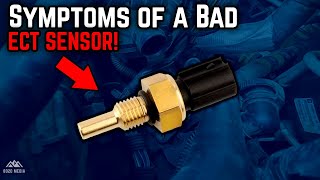
🎬 See a visual guide on identifying symptoms of a bad sensor.Is the expensive Mopar sensor better than aftermarket?
While the Mopar sensor is a guaranteed fit and quality, premium aftermarket brands like NGK and Delphi are widely trusted and often supply parts directly to automakers. For a non-critical, easy-to-replace sensor like this, a quality aftermarket part offers the best value without a significant compromise in performance or reliability.
Helpful Videos
Technical Specifications
OEM Part Numbers: 4671122 4882410AA
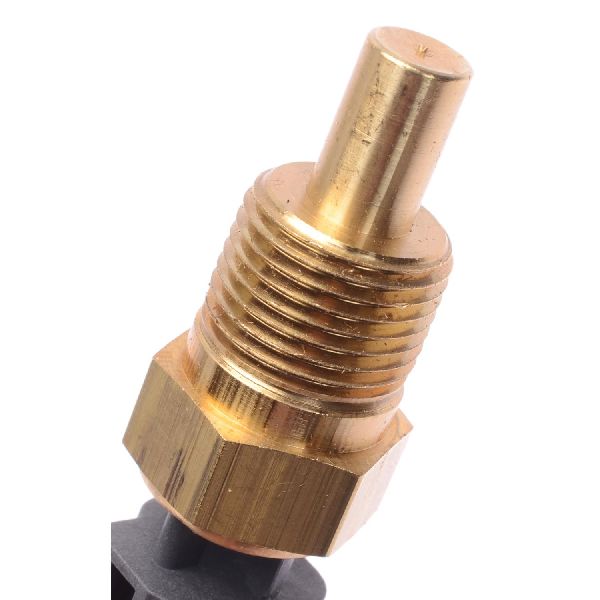
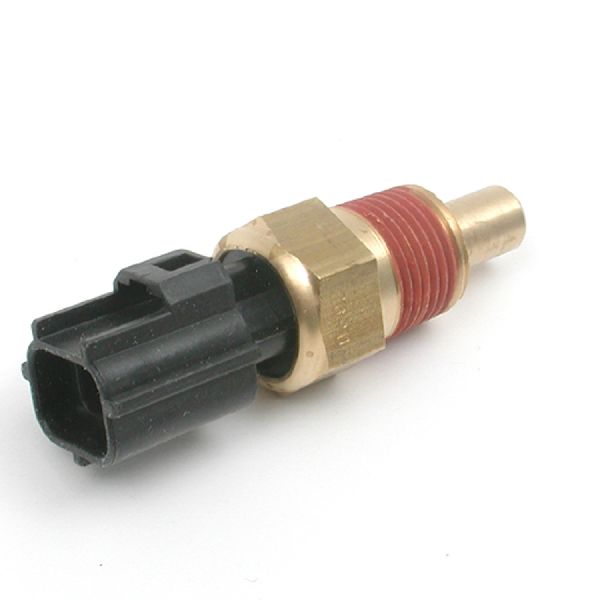
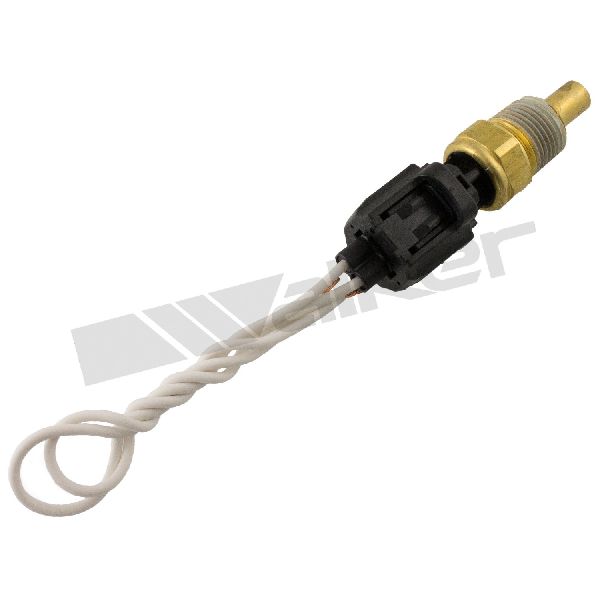
The Engine Coolant Temperature (ECT) sensor for the 1995-2001 Dodge Avenger is a two-wire thermistor. Its resistance changes in response to coolant temperature, which the Powertrain Control Module (PCM) interprets as a temperature reading. The sensor typically has a threaded body for installation into a coolant passage.
We Have This Part in Stock



The information in this article is provided for general reference and educational purposes only. Vehicle specifications, procedures, and part compatibility can vary by production date, trim level, and region. Always consult your vehicle's factory service manual and verify part numbers before purchasing or performing repairs. Safety-critical components such as airbags, seat belts, and braking systems should be installed by a qualified professional.
- Dodge Avenger: