

Dodge Avenger Radiator Coolant Hose Guide (1995-2001)
Prevent overheating in your Avenger by understanding how to choose and replace your radiator hoses.
- A failing radiator hose can cause critical engine damage from overheating.
- Always replace hoses in pairs (upper and lower) and use new clamps for a secure seal.
- Aftermarket brands like Gates and Continental offer excellent quality; Dayco is a solid budget option.
- Be gentle when removing old hoses, as the plastic radiator connections on the 1995-2001 Avenger can be brittle and break easily.
Signs of a Failing Radiator Hose
Radiator hoses are wear items. Made of rubber, they break down over time from constant heat, pressure, and exposure to chemicals. It's important to inspect them regularly and replace them at the first sign of trouble. Ignoring a bad hose can lead to a sudden failure, engine overheating, and expensive damage.
- Coolant Leaks: This is the most obvious sign. You might see puddles of green, orange, or pink fluid under the front of your car. Leaks often start at the connection points to the radiator or engine.
- Visible Damage: Look for cracks, splits, or abrasions on the hose surface. A hose that looks swollen or bloated, especially near the ends, is a sign of internal breakdown and imminent failure.
- Spongy or Hard Hoses: When the engine is cool, squeeze the hoses. They should feel firm but not rock-hard. A hose that feels soft, mushy, or spongy is weak. A hose that feels brittle and hard has lost its flexibility and is likely to crack.
- Collapsed Hose: A lower radiator hose that collapses when the engine cools down can be a sign of a problem with the radiator cap not allowing air back into the system, creating a vacuum.
- Engine Overheating: If a hose leaks enough coolant or collapses and restricts flow, your Avenger's temperature gauge will climb into the red. This is a critical warning to stop the engine immediately.
A Note on Plastic Parts
On older vehicles like the 1995-2001 Avenger, it's not just the rubber hoses that fail. The plastic connectors on the radiator itself can become very brittle with age. It is common for these plastic nipples to crack or break off when you try to remove an old, stubborn hose. Be prepared for this possibility and inspect the radiator carefully before starting the job.
Choosing the Right Aftermarket Hose
For the 1995-2001 Dodge Avenger, original Mopar hoses can be difficult to find and expensive. Aftermarket brands offer a reliable and affordable alternative. The key is choosing a brand known for good materials and proper fit.
- Gates: Often considered a top-tier aftermarket brand, Gates is an OEM supplier for many car manufacturers. Their hoses are known for excellent fitment and durability, engineered to resist chemical degradation and collapse. This is a safe, high-quality choice.
- Dayco: Dayco is another major brand that produces quality hoses and belts. They are generally a good, budget-friendly option. However, some mechanics report occasional fitment issues compared to Gates, so it's wise to double-check that the hose's bends and length match the old part before installation.
- Continental (ContiTech): Continental is a well-respected brand in the automotive world. Their hoses are made from high-quality EPDM rubber and meet or exceed OEM specifications, making them a solid choice alongside Gates.
Pro Tip: Replace in Pairs
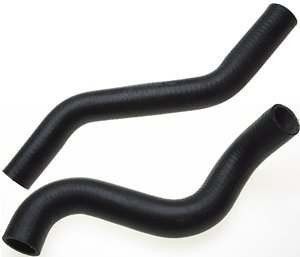
If one hose has failed due to age, the other is likely not far behind. It is highly recommended to replace both the upper and lower radiator hoses at the same time. You should also replace the hose clamps, as old clamps can lose their tension and fail to create a proper seal.
Cost of Replacing Dodge Avenger Radiator Hoses (1995-2001)
| Part/Service | Estimated Cost |
|---|---|
| New Aftermarket Hoses (Per Hose) | $11.63 - $36.55 |
| Shop Labor | $100 - $200 |
| DIY Total (Parts Only) | $25 - $75 (for a pair + clamps) |
| Shop Total (Parts & Labor) | $125 - $275 |
Cost estimates do not include the price of new coolant, which you will need for the job.
Frequently Asked Questions
Should I replace my hose clamps too?
Yes. It is always recommended to replace hose clamps when you replace the hoses. Spring-type clamps lose tension over time, and screw-type clamps can rust or strip. New clamps are inexpensive and ensure a tight, leak-free seal.
What kind of coolant should I use in my 1995-2001 Avenger?
Consult your owner's manual for the specific type of coolant required. Early models often used a traditional green Inorganic Additive Technology (IAT) coolant. Using the wrong type can cause corrosion and damage to your cooling system. Always top off or refill with the correct type of antifreeze.
What else should I inspect when replacing the hoses?
Since you'll be draining the cooling system, it's a great time to inspect other components. Check the water pump for leaks (especially from the weep hole), inspect the radiator for corrosion or damaged fins, and consider replacing the thermostat. The thermostat is a low-cost part that is often easier to access while the hoses are off.
Is replacing the radiator hoses a difficult DIY job?
For a moderately experienced DIYer, this is a manageable job. The main challenges are getting old, stuck hoses off without damaging the radiator and properly refilling and bleeding the air out of the cooling system afterward. If you are not comfortable, a professional mechanic can do the job in about one to two hours.
Technical Specifications
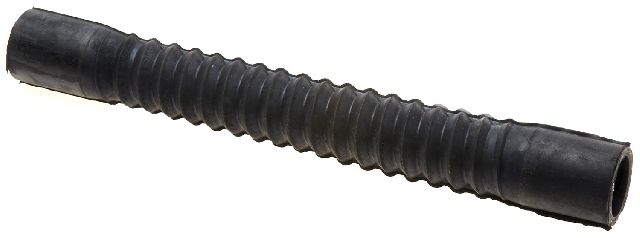
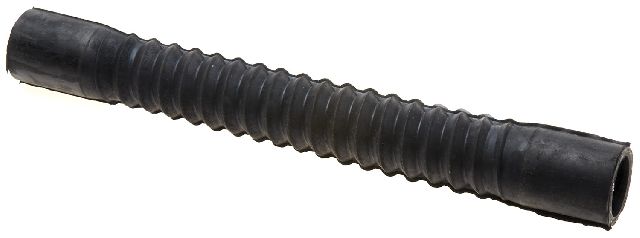
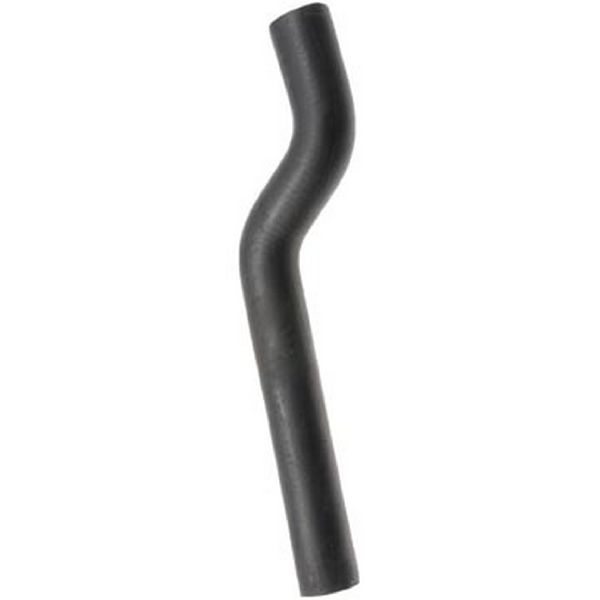
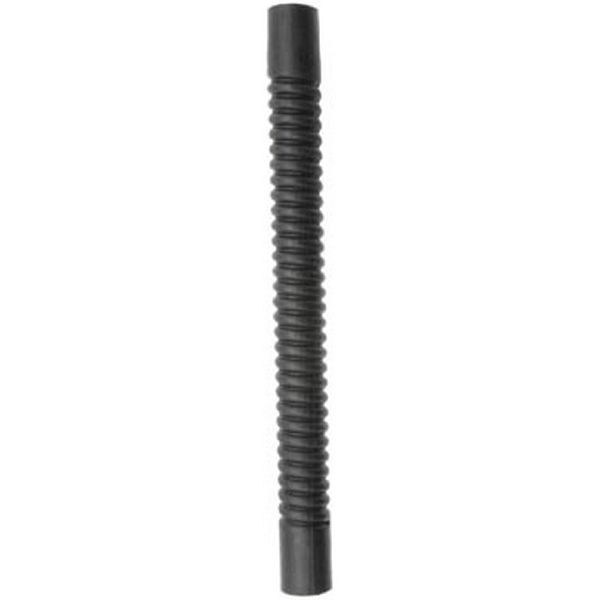
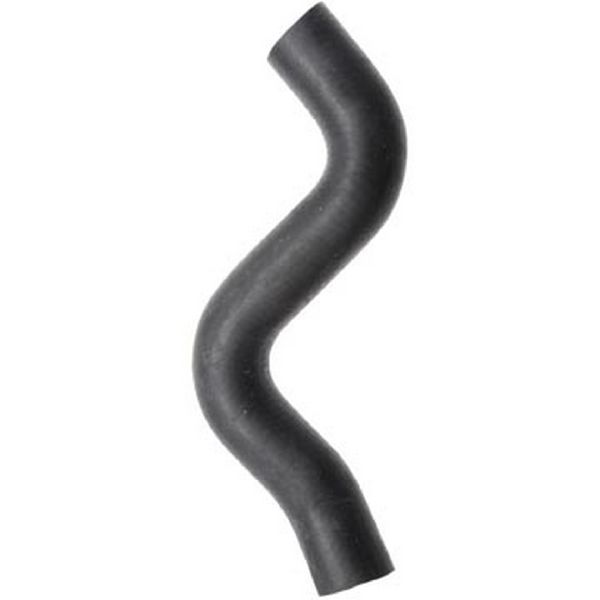
Vehicle will have one upper and one lower radiator hose. Hoses are specific to the engine (2.0L 4-Cylinder or 2.5L V6). Most aftermarket hoses are made from EPDM rubber to resist heat and chemical degradation.
We Have This Part in Stock

The information in this article is provided for general reference and educational purposes only. Vehicle specifications, procedures, and part compatibility can vary by production date, trim level, and region. Always consult your vehicle's factory service manual and verify part numbers before purchasing or performing repairs. Safety-critical components such as airbags, seat belts, and braking systems should be installed by a qualified professional.
- Dodge Avenger: