

Honda Odyssey Oxygen Sensor Guide for 1995-2001 Models
Fix your check engine light and poor fuel economy by choosing the right replacement oxygen sensor for your Odyssey.
- For best results and to avoid compatibility issues, choose a Denso or NTK brand oxygen sensor, as Denso is the original equipment manufacturer for Honda.
- Always confirm if you need the upstream (Bank 1, Sensor 1) or downstream (Bank 1, Sensor 2) sensor before purchasing; they are different parts.
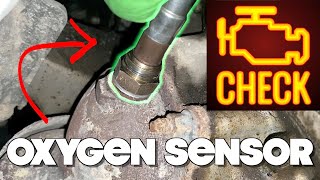
- A Check Engine Light with codes like P0135 or P0141 is the most direct sign of a failed oxygen sensor heater circuit.
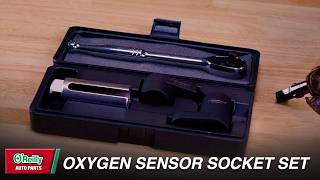
- You will likely need a special slotted oxygen sensor socket to perform the replacement yourself.
Is Your Odyssey's Oxygen Sensor Failing?

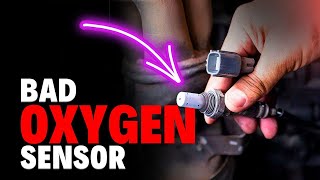
A bad oxygen sensor can cause several noticeable problems. The most common sign is a steady Check Engine Light on your dashboard. You might also notice your minivan is getting worse gas mileage than it used to, or the engine may idle roughly or hesitate during acceleration. 🎬 Watch: Learn more about bad oxygen sensor symptoms and troubleshooting. Since the sensor is a key part of the emissions system, a faulty one will cause your vehicle to fail an emissions test.
Choosing the Right Aftermarket O2 Sensor

When replacing an O2 sensor on your 1995-2001 Odyssey, you have several aftermarket brands to choose from. Not all brands offer the same level of quality and compatibility, especially with Honda's sensitive engine management systems. For this specific vehicle, sticking with the Original Equipment Manufacturer (OEM) or a brand known for its OE-quality is highly recommended.
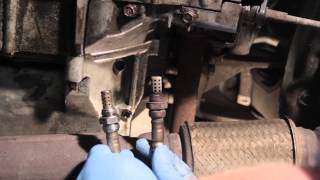
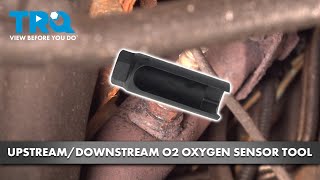
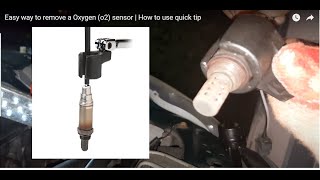
Pro Tip: Before ordering, you must confirm if you need the upstream (before converter) or downstream (after converter) sensor. They are not interchangeable. For this V6 engine, the upstream sensor is often referred to as Bank 1, Sensor 1, 🎬 See this walkthrough for replacing a Honda V6 oxygen sensor. and the downstream as Bank 1, Sensor 2.
Brand Quality Tiers for Your Honda Odyssey
- Tier 1 (OEM-Quality): Denso & NGK/NTK
Denso is the original equipment supplier for many Honda parts, including oxygen sensors. Choosing a Denso 'First Time Fit' sensor is the closest you can get to buying a genuine Honda part, ensuring perfect compatibility and performance. Similarly, NGK (under their NTK brand) is another top-tier Japanese manufacturer trusted by automakers and mechanics for its reliability. For a hassle-free repair, these are your best bets. - Tier 2 (Reputable Aftermarket): Bosch & Delphi
Bosch invented the automotive oxygen sensor and is a massive global supplier. However, many Honda enthusiasts and mechanics report mixed results, with some experiencing compatibility issues or shorter lifespans compared to Denso or NTK on Honda vehicles. While often a quality part, it's a secondary choice for this application. Delphi is another established OE supplier with a solid reputation. - Tier 3 (Budget-Friendly): Spectra, DriveWire, Walker Products
These brands offer a more affordable price point. While they can work, they may not have the same longevity or precise calibration as the top-tier brands. If you are on a tight budget, they are an option, but be aware that you might be replacing the part again sooner than you would with a Denso or NTK sensor.
How Much Does an O2 Sensor Replacement Cost?

The cost depends on whether you do it yourself or use a repair shop. The parts themselves are affordable, but labor can add a significant amount. The prices below are estimates for a single oxygen sensor.
| Part/Service | Estimated Cost |
|---|---|
| New OEM Honda Sensor | $140 - $205 |
| New Aftermarket Sensor | $25 - $101 |
| Shop Labor | $75 - $150 |
Vehicle-Specific Issues & Recalls
No recalls or Technical Service Bulletins (TSBs) specifically for oxygen sensor failure were found for the 1995-2001 Honda Odyssey. However, owners should be aware of a major recall affecting 2001-2003 models for faulty Takata airbag inflators, which the NHTSA has issued a "Do Not Drive" warning for until repaired. While unrelated to the O2 sensor, it's a critical safety issue to address.
Common Mistake: A loud exhaust noise accompanied by an O2 sensor code (like P0141) may not be the sensor itself. On older vehicles, this combination often points to a stolen catalytic converter or a significant exhaust leak. The sensor code is triggered because the sensor is exposed to outside air. Always inspect your exhaust system before replacing parts.
Frequently Asked Questions (FAQ)

How many oxygen sensors does my 1995-2001 Odyssey have?
The V6 models in this generation typically have two oxygen sensors: one upstream (before the catalytic converter) and one downstream (after the catalytic converter).
What's the difference between an upstream and downstream sensor?
The upstream (Bank 1, Sensor 1) sensor's main job is to help the engine computer regulate the air-fuel mixture. The downstream (Bank 1, Sensor 2) sensor's job is to monitor the health and efficiency of the catalytic converter. They have different functions and are not interchangeable.
Do I need a special tool to replace an O2 sensor?
Yes, it is highly recommended. You will need a special oxygen sensor socket, which has a slot down the side for the sensor's wire to pass through. 🎬 Watch: How to use a specialized oxygen sensor socket set. You may also need various ratchet extensions to reach the sensor, especially if it's in a tight spot on the exhaust manifold.
Can I clean my old oxygen sensor instead of replacing it?
While some attempt to clean O2 sensors, it is not a reliable or recommended repair. The sensing element degrades internally over time and through many heat cycles. Cleaning will not restore a failed internal heater circuit (a common failure mode) or a worn-out sensor. Replacement is the only proper fix.
Helpful Videos
Technical Specifications
OEM Part Numbers: 36532-P8F-A11 36532-P8F-A01
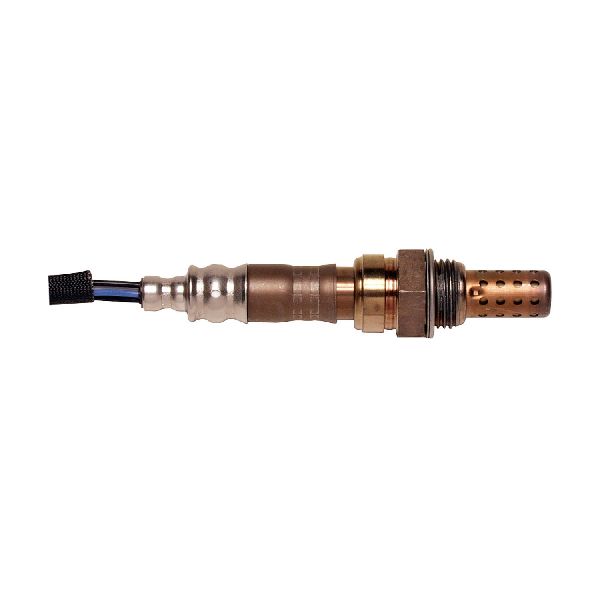
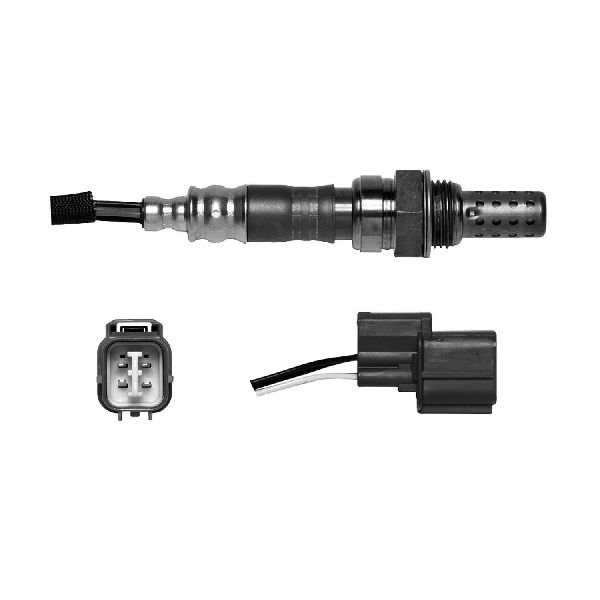
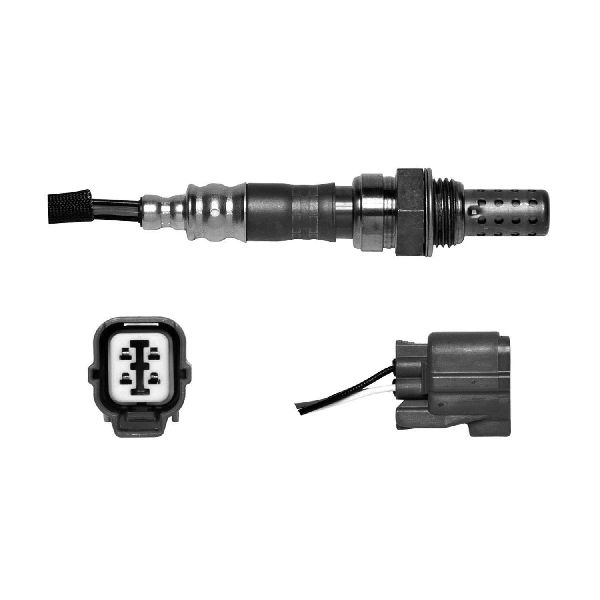
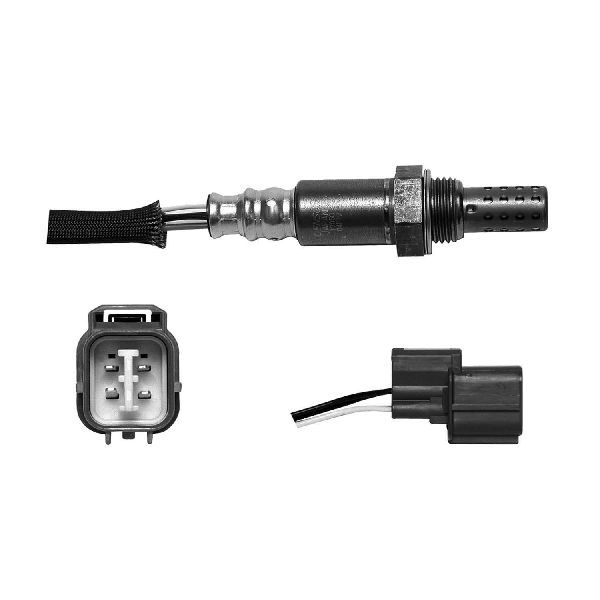
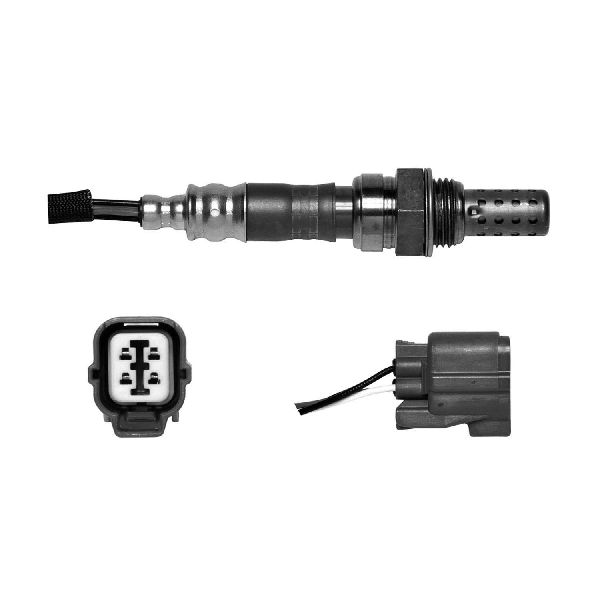
For V6 models, two 4-wire heated oxygen sensors are used. One is an upstream sensor (before the catalytic converter) and one is a downstream sensor (after the catalytic converter). A direct-fit sensor with the correct harness and connector is strongly recommended over a universal, splice-in type.
We Have This Part in Stock


The information in this article is provided for general reference and educational purposes only. Vehicle specifications, procedures, and part compatibility can vary by production date, trim level, and region. Always consult your vehicle's factory service manual and verify part numbers before purchasing or performing repairs. Safety-critical components such as airbags, seat belts, and braking systems should be installed by a qualified professional.
- Honda Odyssey: