

A Deep Dive into Spark Plugs for the 1995-2001 Mitsubishi Eclipse
Choosing the right spark plug is critical for your Eclipse's engine, whether it's a turbo 4G63T, a 420A, or a 3G V6.
- Engine identification is crucial; 4G63T (Turbo), 420A (Non-Turbo), 4G64 (I4), and 6G72 (V6) engines have different spark plug needs.
- For turbocharged 4G63T engines, inexpensive NGK copper plugs (BPR6ES or BPR7ES) are highly recommended over platinum or iridium.
- For all other non-turbo engines, NGK or Denso platinum or iridium plugs are excellent choices for longevity and reliability.
- Always verify the spark plug gap with a tool before installation; do not trust the out-of-the-box setting.
Engine Type is Everything

Before buying spark plugs for your 1995-2001 Eclipse, you must know which engine you have. The requirements vary significantly between models, and installing the wrong plug can cause poor performance or even engine damage. This period covers two Eclipse generations with four different engines.
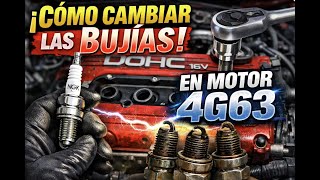
- 1995-1999 (2G) GS-T & GSX: 2.0L Turbocharged Mitsubishi 4G63T 🎬 Watch: A step-by-step guide to changing plugs on the 4G63 engine.
- 1995-1999 (2G) RS & GS: 2.0L Non-Turbo Chrysler 420A
- 2000-2001 (3G) RS & GS: 2.4L 4-Cylinder Mitsubishi 4G64
- 2000-2001 (3G) GT: 3.0L V6 Mitsubishi 6G72
Choosing the Right Aftermarket Spark Plug

For this specific generation of Eclipse, aftermarket spark plugs from reputable brands are often considered equal to or even better than OEM, especially for modified cars. The enthusiast community has clear preferences based on years of experience.
For 1995-1999 4G63T Turbo Engines (GS-T, GSX)
The Verdict: The overwhelming consensus for turbocharged DSM cars is to use affordable NGK copper spark plugs. Avoid expensive iridium or platinum plugs, as the community reports they do not perform as well in this specific high-performance, turbocharged application.
- Stock or Mildly Modified (Stock Boost): Use NGK BPR6ES.
- Modified (Higher Boost): Use a one-step colder plug, NGK BPR7ES, to prevent detonation.
- Spark Gap: The gap should be reduced for higher boost, typically around .028 inches.
For 1995-1999 420A Non-Turbo Engines (RS, GS)
🎬 See this walkthrough for replacing spark plugs and wires on the GS.The Verdict: These Chrysler-based engines use a different plug style than their turbo counterparts. Again, NGK copper plugs are highly recommended for their performance and value. Note the different part number series ("BKR" not "BPR").
- Recommended Plug: NGK BKR6E-11 is the stock heat range. Some owners use the slightly hotter BKR5E-11.
- Spark Gap: The gap should be much wider than the turbo engine, typically around .044 - .050 inches.
- Long-Life Option: NGK Iridium IX plugs are a suitable, longer-lasting alternative if you prefer not to change copper plugs as frequently.
For 2000-2001 4G64 & 6G72 Engines (3G Eclipse)
For the third-generation models, which are less commonly modified for high performance, OEM-style platinum or iridium plugs are the standard choice for longevity and reliable performance.
- Top Brands: NGK and Denso are the preferred OEM-equivalent brands.
- Plug Material: Iridium or Platinum plugs offer a long service life, which is especially beneficial for the V6 engine where the rear plugs are difficult to access.
- Spark Gap: For the 2.4L, the gap is around .039-.043 inches. For the 3.0L V6, it is around .044 inches. Always verify with your owner's manual or the plug manufacturer.
Aftermarket Brand Quality Tiers

| Tier | Brands | Assessment |
|---|---|---|
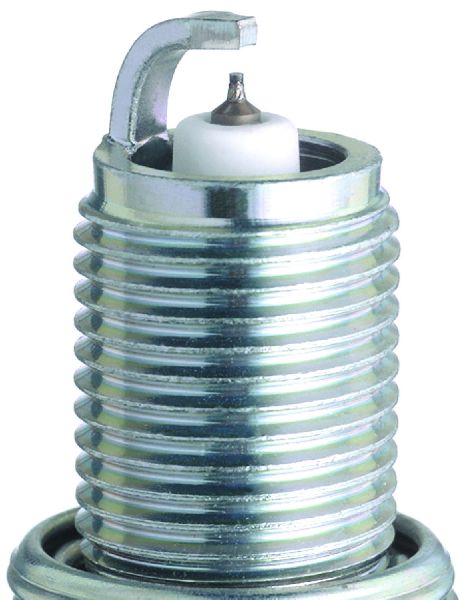
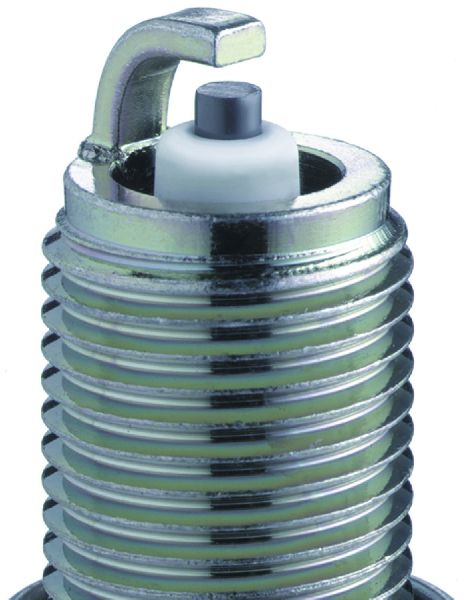
| Tier 1: Highly Recommended | NGK, Denso | Consistently cited as the top choice across all Eclipse engines for reliability and performance. NGK is the clear favorite in the 2G DSM community. Denso is widely regarded as an equally high-quality Japanese alternative. |
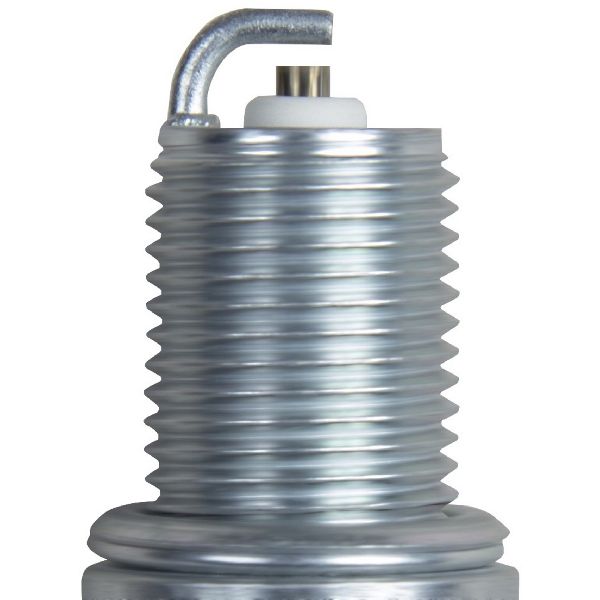
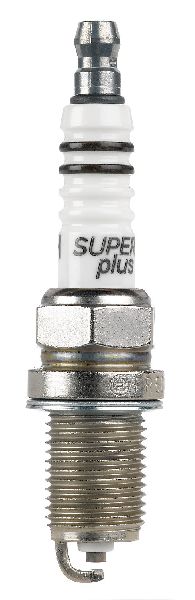
| Tier 2: Good Quality | Bosch, Champion, Autolite | These brands offer quality replacement plugs that will function correctly. However, they lack the strong, specific endorsements from the enthusiast community that NGK and Denso have for this particular vehicle range. |
| Tier 3: Economy | Skyward, Accel, MSD | These brands can offer a low-cost alternative. While Accel and MSD are known for ignition components, for spark plugs specifically, the community heavily favors NGK. Use with caution, especially in the turbocharged 4G63T engine. |
Installation Tips & Known Issues

Replacing spark plugs is a straightforward task on all 4-cylinder Eclipse engines. However, on the 2000-2001 3.0L V6, the job is much more involved.
V6 (6G72) Rear Spark Plug Access
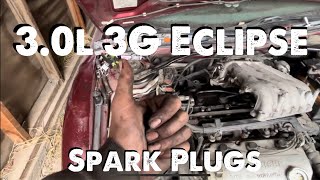
To access the three rear spark plugs on the 3.0L V6 engine, the upper intake manifold plenum must be removed. 🎬 Watch: An easier method for accessing those difficult rear V6 plugs. This turns a simple job into a more complex one, requiring more time, tools, and care. Because of this difficulty, it is highly recommended to use long-life Iridium plugs to maximize the time between changes.
Always check the gap! Do not assume a new spark plug is pre-gapped correctly for your specific Eclipse engine. Use a gap tool to verify and adjust the gap to the recommended specification before installation.
Frequently Asked Questions (FAQ)
Why does everyone recommend cheap copper plugs for the turbo 4G63T?
The 4G63T's ignition system and performance characteristics respond best to the high conductivity of copper plugs. While they don't last as long as platinum or iridium, they provide the strongest, most reliable spark under high boost and are inexpensive to replace often. The DSM community has found that precious metal plugs can sometimes cause misfire issues in these specific engines.
What does a "colder" spark plug mean?
A spark plug's "heat range" refers to how quickly it transfers heat away from its firing tip. A "colder" plug (like the NGK BPR7ES) transfers heat more quickly. This is necessary for modified, higher-horsepower engines that generate more heat in the combustion chamber, as it helps prevent the plug tip from glowing red and causing pre-ignition (detonation).
Can I install the plugs myself?
For any 4-cylinder model (4G63T, 420A, 4G64), yes. It is a beginner-friendly job requiring basic tools like a socket wrench, an extension, and a 5/8" spark plug socket. For the 3.0L V6, the front three plugs are easy, but the rear three are difficult due to the intake manifold. This is best left to an experienced DIYer or a professional mechanic.
Do I need a torque wrench?
It is highly recommended. Over-tightening a spark plug can damage the threads in the cylinder head, leading to a very expensive repair. Under-tightening can cause the plug to back out. The typical torque spec is around 18-25 Nm.
Were there any recalls for the 1995-2001 Eclipse spark plugs?
No. Searches of the National Highway Traffic Safety Administration (NHTSA) database and other sources show no recalls or technical service bulletins (TSBs) specifically related to spark plugs for the 1995-2001 Mitsubishi Eclipse.
Helpful Videos


Technical Specifications
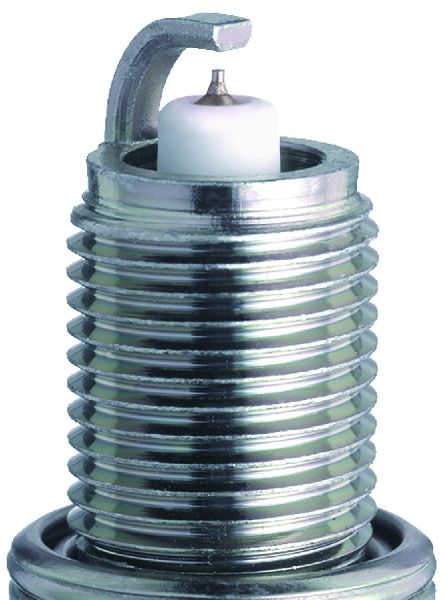
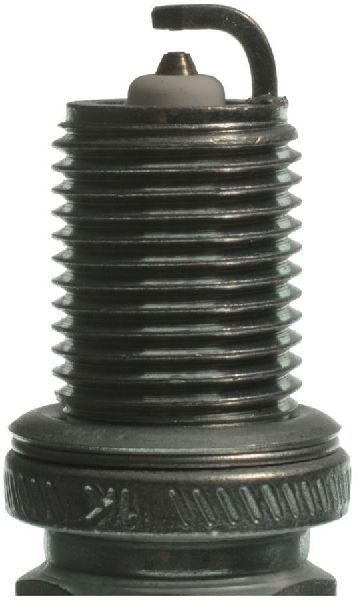
OEM Part Numbers: BPR6ES BPR7ES BKR6E-11 BKR5EIX-11
Socket Size: 5/8 inch. Gap settings vary by engine: Turbo 4G63T (~.028"), Non-Turbo 420A (~.044"-.050"), 2.4L 4G64 (~.044"), 3.0L 6G72 (~.044").
We Have This Part in Stock

The information in this article is provided for general reference and educational purposes only. Vehicle specifications, procedures, and part compatibility can vary by production date, trim level, and region. Always consult your vehicle's factory service manual and verify part numbers before purchasing or performing repairs. Safety-critical components such as airbags, seat belts, and braking systems should be installed by a qualified professional.
- Mitsubishi Eclipse:
- 🎬 Helpful Videos
- 🛍️ Shop This Part
- Engine Type is Everything
- Choosing the Right Aftermarket Spark Plug
- For 1995-1999 4G63T Turbo Engines (GS-T, GSX)
- For 1995-1999 420A Non-Turbo Engines (RS, GS)
- For 2000-2001 4G64 & 6G72 Engines (3G Eclipse)
- Aftermarket Brand Quality Tiers
- Installation Tips & Known Issues
- V6 (6G72) Rear Spark Plug Access
- Frequently Asked Questions (FAQ)
- 🎟️ Get 5% Off