

Engine Camshaft Position Sensor Guide for the 1995-2001 Plymouth Neon
Solve stalling, no-start problems, and clear the P0340 code by choosing the right cam sensor for your Neon.
- A failing cam sensor is a critical issue that can leave you stranded; do not drive with symptoms.
- This is an easy DIY replacement that most owners can do in under an hour with basic tools.
- For a complete and lasting repair, always replace the camshaft magnet at the same time as the sensor.
- Verify if your Neon has the SOHC or DOHC engine before ordering, as the parts are different.
Is Your Neon Stalling or Hard to Start?
A failing camshaft position sensor is a very common reason for a 1995-2001 Plymouth Neon to stall, run rough, or not start at all. When this sensor starts to go bad, it sends a weak or incorrect signal to the engine's computer. This confusion can cause symptoms that range from annoying to leaving you stranded on the side of the road. Because a complete failure can shut the engine off while driving, it is not recommended to operate the vehicle with known symptoms of a bad cam sensor.
Symptoms of a Failing Camshaft Position Sensor
Look out for these common signs of a bad cam sensor in your Neon:
- Check Engine Light: This is often the first warning. The most common trouble code is P0340, which points directly to a problem in the camshaft position sensor circuit.
- Engine Stalling: The engine may stall unexpectedly, either while idling at a stoplight or while driving.
- Hard Start or No Start: You might find the engine cranks for a long time before starting, or it may crank but never fire up.
- Rough Idle and Poor Performance: The car may idle erratically, shake, or feel down on power when you try to accelerate.
- Reduced Fuel Economy: With the engine timing off, your fuel efficiency will often get worse.
Choosing the Right Aftermarket Sensor
While a Mopar sensor from the dealer was the original part, many aftermarket options provide a good balance of quality and value. Not all aftermarket parts are created equal, so it helps to think of them in tiers.
Premium Aftermarket Brands (e.g., Delphi, NGK, Beck Arnley): These companies are often original equipment (OE) suppliers to many car manufacturers. They are known for high-quality electronics that are designed to meet or exceed the original Mopar specifications. Choosing a brand from this tier is the safest bet for a long-lasting, reliable repair.
Quality Aftermarket Brands (e.g., Standard Motor Products, Dorman, Walker Products): These are well-known brands that offer a huge range of parts. Standard Motor Products (which also makes parts under the BWD and Intermotor names) is a generally respected choice for sensors. Dorman is known for its wide availability, but forum discussions suggest quality can sometimes be inconsistent for electronic parts.
Value Brands (e.g., Holstein, True Tech, Encore): These brands focus on providing a cost-effective solution. They can be a good choice for a budget-conscious repair, but may not have the same long-term durability as premium brands.
Pro Tip: Replace the Magnet and Check the Connector
The sensor works by reading a small magnet attached to the end of the camshaft. These magnets can crack or lose strength over time, causing the same symptoms as a bad sensor. Since you have to take everything apart anyway, it is highly recommended to replace the magnet at the same time. Also, inspect the wiring connector for brittle plastic, corrosion, or loose pins, as a bad connection can mimic sensor failure.
Typical Replacement Costs
The cost to replace the camshaft position sensor on a 1995-2001 Neon depends on who does the work and the brand of part you choose.
| Item | Estimated Cost |
|---|---|
| New Aftermarket Part | $18.92 - $127.21 |
| New OEM (Mopar) Part | $90 - $130 |
| Shop Labor | $60 - $120 |
| Total Professional Repair | $109 - $257 |
Frequently Asked Questions (FAQ)
Where is the camshaft position sensor located on a 1995-2001 Plymouth Neon?
The sensor is on the driver's side of the engine, mounted on the cylinder head. To get to it, you will need to remove the battery and the battery tray. It is held in place by a few small bolts.
Can I replace this sensor myself?
Yes, this is a very DIY-friendly job for a beginner or home mechanic. The only tools typically needed are a socket set to remove the battery terminals (10mm), the battery hold-down (13mm), and the sensor itself (usually 8mm). The entire job can be done in under an hour.
Is the sensor the same for SOHC and DOHC engines?
No, the part numbers for the sensor and the magnet can be different between the Single Overhead Cam (SOHC) and Double Overhead Cam (DOHC) 2.0L engines. The location is generally the same, but you must confirm you are ordering the correct part for your specific engine to ensure it fits and works correctly.
Do I need to do anything after installing the new sensor?
After installing the new sensor and reconnecting the battery, you should use an OBD-II scanner to clear the P0340 trouble code from the computer's memory. If you don't have a scanner, most auto parts stores will do this for free.
Common Ordering Mistake
The most common mistake is ordering a sensor for the wrong engine type (SOHC vs. DOHC). Always verify which 2.0L engine your Neon has before purchasing. Another common oversight is not ordering the camshaft magnet, which is a separate part but should be replaced at the same time for a complete repair.
Technical Specifications
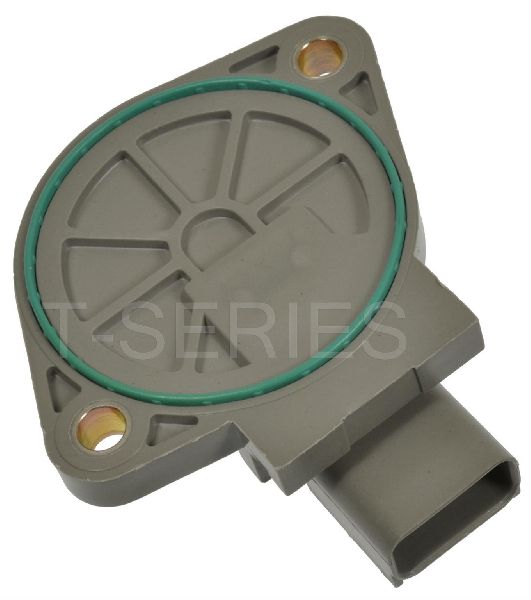
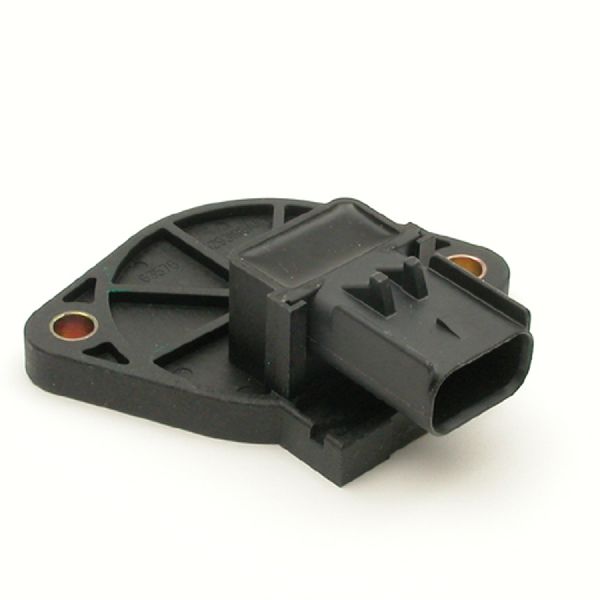
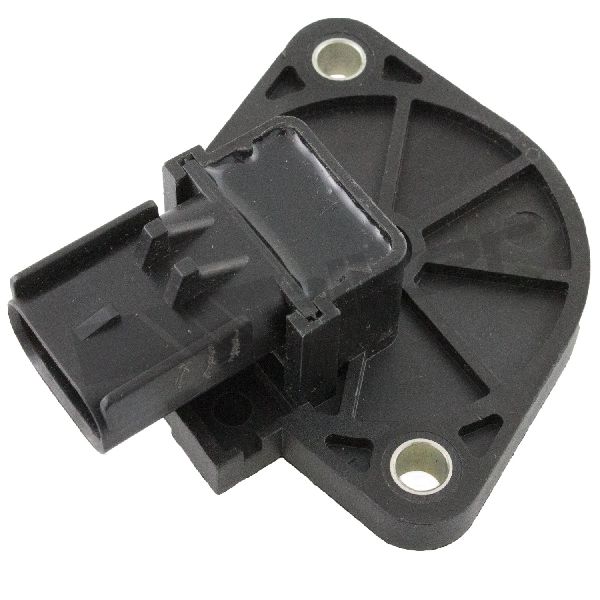
OEM Part Numbers: 4882851 4882851AA 4882851AB 5093508AA 5269705 5096057AA 4882850AC
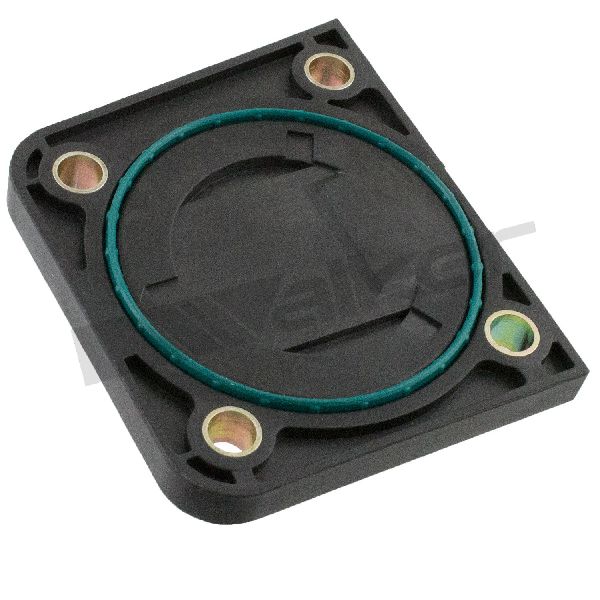
This is a Hall Effect-type sensor that reads a magnet on the end of the camshaft to determine its rotational position. The electrical connector is typically a 3-prong rectangular or oval shape.
We Have This Part in Stock


The information in this article is provided for general reference and educational purposes only. Vehicle specifications, procedures, and part compatibility can vary by production date, trim level, and region. Always consult your vehicle's factory service manual and verify part numbers before purchasing or performing repairs. Safety-critical components such as airbags, seat belts, and braking systems should be installed by a qualified professional.
- Plymouth Neon: