

A Guide to Oxygen Sensors for the 1995-2001 Plymouth Neon
Fix your Neon's check engine light, poor gas mileage, and rough idle by understanding its oxygen sensors.
- Your Neon has two O2 sensors (upstream and downstream) that are not interchangeable; confirm which one you need.
- A bad O2 sensor will cause a check engine light, poor gas mileage, and rough running, and will make you fail an emissions test.
- For reliable, plug-and-play aftermarket options, choose direct-fit sensors from brands like Denso or NGK/NTK.
- Replacing the sensor is a DIY-friendly job, but using penetrating oil and a special O2 sensor socket is highly recommended.
Is Your Neon's Oxygen Sensor Failing?
The oxygen sensor is a critical part of your Neon's engine management system. When it starts to fail, it usually doesn't happen silently. The most common sign is a lit Check Engine Light on your dashboard. You will also likely notice a significant drop in fuel economy because the engine is probably running too rich—using more gas than it needs. Other common symptoms include a rough or unstable idle, hesitation when you accelerate, engine misfires, and a general feeling of lost power. In some cases, you might smell a 'rotten egg' or sulfur odor from the exhaust or see black smoke, which is unburnt fuel. Ignoring these signs can lead to a failed emissions test and potential damage to your expensive catalytic converter.
Choosing the Right Aftermarket Oxygen Sensor
You don't need to buy the most expensive sensor to get your Neon running right again. However, choosing the cheapest option can sometimes lead to more problems. Aftermarket sensors for the Neon fall into a few quality tiers.
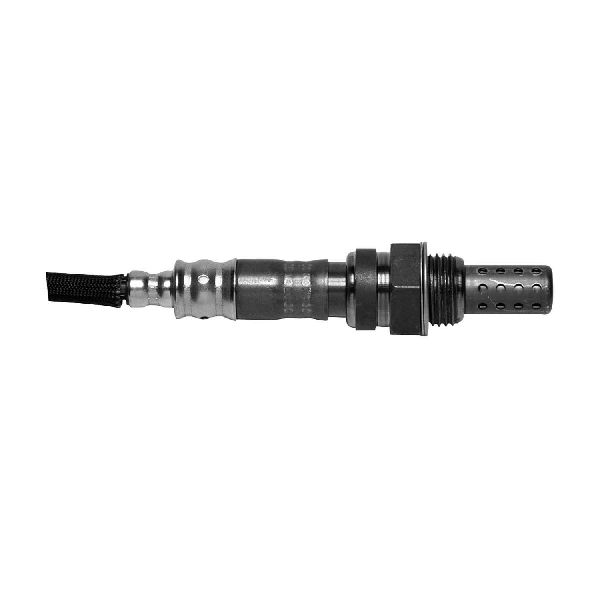
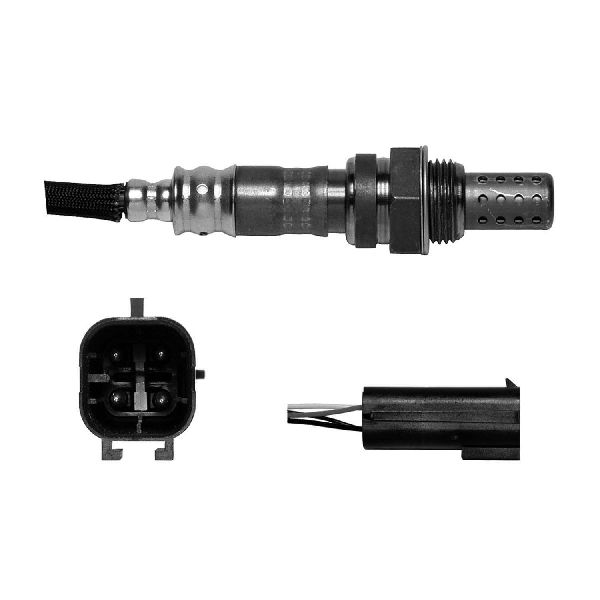
- Tier 1: OEM-Equivalent (Denso, NGK/NTK): These brands are often the original manufacturers for many car companies, including Chrysler's competitors. They are widely trusted by mechanics and DIYers for their reliability and direct-fit compatibility. For a trouble-free replacement that performs like the original, Denso and NGK are top choices.
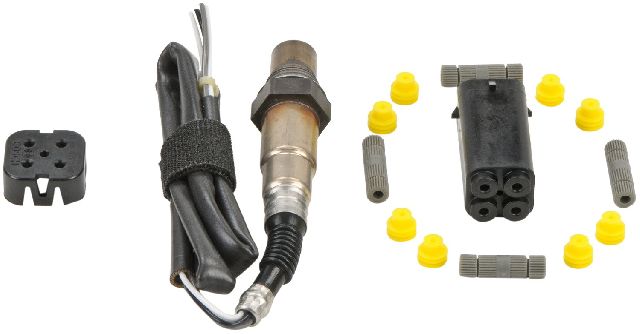
- Tier 2: Reputable Aftermarket (Bosch, Delphi): Bosch invented the modern oxygen sensor and is a huge name in auto parts. However, forum discussions among Chrysler owners show mixed results with aftermarket Bosch sensors; some work perfectly, while others report subtle running issues. Delphi is another well-known brand that produces reliable sensors. These are generally solid choices.
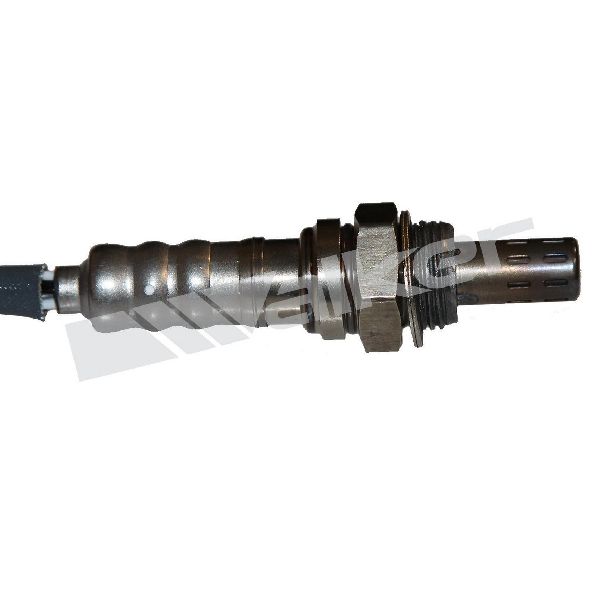
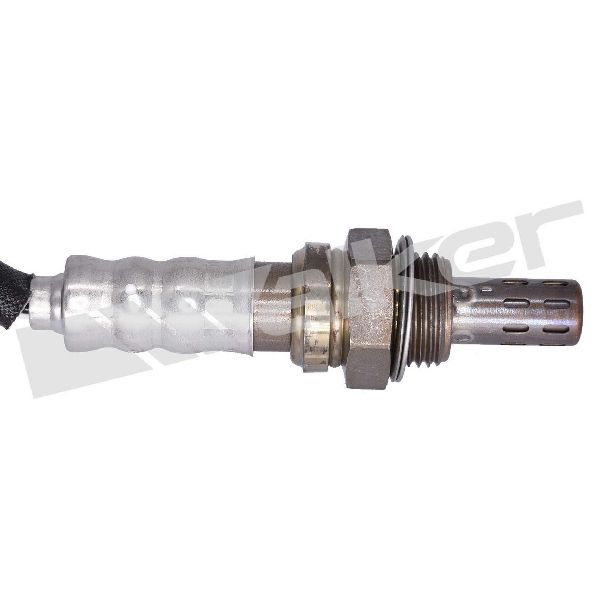
- Tier 3: Value Brands (DriveWire, Walker, Spectra): These brands offer a budget-friendly solution. While they can work, be aware that some may be 'universal' sensors that require you to splice the old connector onto the new sensor. This adds a potential point of failure if the splice isn't perfect. For a simple plug-and-play job, stick with a direct-fit sensor.
Pro Tip: Upstream vs. Downstream
The 1995-2001 Neon uses two different oxygen sensors. The upstream (before catalytic converter) and downstream (after catalytic converter) sensors are not interchangeable. Double-check which sensor you need before ordering to avoid a return trip.
Typical Replacement Costs
The cost to replace an oxygen sensor on your Neon depends on the brand you choose and whether you do the work yourself.
| Part Type | Typical Cost |
|---|---|
| New Aftermarket Sensor | $25 - $107 |
| New OEM (Mopar) Sensor | $80 - $200+ |
| Shop Labor | $75 - $150 |
Frequently Asked Questions
Where are the oxygen sensors on my 1995-2001 Neon?
The upstream sensor (Sensor 1) is in the exhaust manifold at the back of the engine, near the firewall. You can access it from the top of the engine bay. The downstream sensor (Sensor 2) is located underneath the car, just after the catalytic converter.
Is replacing an O2 sensor a DIY job?
Yes, this is a very manageable DIY job for most people. The main challenge is often the old sensor being rusted in place. Using plenty of penetrating oil before you start and renting or buying a special O2 sensor socket will make the job much easier. The job typically takes less than an hour.
Should I buy a 'universal' sensor that I have to wire myself?
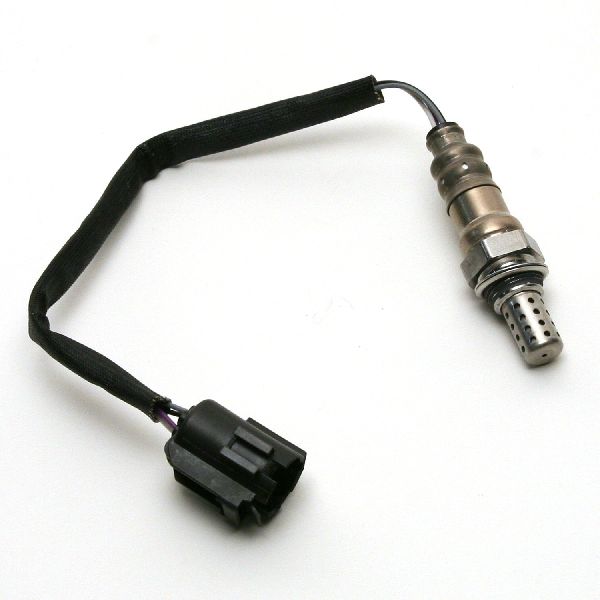
While universal sensors are cheaper, they require you to cut off your old sensor's plug and splice it onto the new sensor's wires. This can be tricky, and a bad connection will cause the new sensor to fail or give incorrect readings. For a small price difference, a direct-fit sensor with the correct plug is highly recommended for a simple and reliable repair.
Are there any recalls for the Plymouth Neon oxygen sensor?
No, there are no specific recalls or widespread Technical Service Bulletins (TSBs) from Chrysler or the NHTSA for oxygen sensor failure on the 1995-2001 Plymouth Neon. Failures are typically due to age, contamination, and normal wear and tear.
Technical Specifications
OEM Part Numbers: 4686139 04686932AB
The 1995-2001 Plymouth Neon uses a 2.0L L4 engine and requires two 4-wire oxygen sensors: one upstream (pre-catalyst) and one downstream (post-catalyst). Ensure you purchase a direct-fit model with the correct electrical connector to avoid splicing wires.
We Have This Part in Stock

The information in this article is provided for general reference and educational purposes only. Vehicle specifications, procedures, and part compatibility can vary by production date, trim level, and region. Always consult your vehicle's factory service manual and verify part numbers before purchasing or performing repairs. Safety-critical components such as airbags, seat belts, and braking systems should be installed by a qualified professional.
- Plymouth Neon: