

A Practical Guide to Oxygen Sensors for the 1995-2001 Toyota Tacoma
Understand the signs of a failing O2 sensor and learn how to choose the right replacement for your first-generation Tacoma.
- For best results and to avoid issues, use a Denso or NGK/NTK brand oxygen sensor.
- You must verify if your Tacoma has California or Federal emissions, as the front sensors may be different and are not interchangeable.
- A failing oxygen sensor will decrease fuel economy and can eventually damage your expensive catalytic converter if not replaced.
- Rusted nuts are the most common problem during replacement; soak them with penetrating oil beforehand.
Is Your Tacoma's Oxygen Sensor Failing?
A bad oxygen sensor won't stop your truck from driving, but it will cause problems. The sensor works in extreme heat and eventually wears out, typically after 60,000 to 100,000 miles. When it fails, the engine's computer gets bad information, which can lead to poor performance and potentially damage other expensive parts 🎬 Watch: Fix P0135/P0171 codes and rough idle with this guide., like the catalytic converter. Ignoring a check engine light for an O2 sensor is not recommended.
Choosing the Right Aftermarket Oxygen Sensor
When replacing an O2 sensor on a Toyota, the brand you choose matters. These trucks can be sensitive to the wrong electronics. Based on owner feedback and mechanic recommendations, here is a breakdown of available aftermarket brands.
Tier 1: OEM-Equivalent & Highly Recommended
- Denso: Denso is the original equipment manufacturer (OEM) for Toyota. Choosing a Denso aftermarket sensor is the closest you can get to the original part and is the most recommended option for reliability and proper function.
- NGK (also sold as NTK): NGK is another top-tier Japanese brand that is highly regarded by Toyota owners. It is considered a very safe and reliable alternative to Denso.
Tier 2: Reputable Aftermarket
- Bosch: Bosch is a well-known brand that makes quality parts. However, many Tacoma owners have reported that their trucks run best on Denso or NGK sensors. While a Bosch sensor may work, it's generally recommended to stick with the Japanese brands for best results on a Toyota.
- Delphi: Delphi is a major OEM supplier for many American brands and produces reliable sensors. Like Bosch, it's a quality part but not the first choice for a Tacoma.
Tier 3: Budget Options
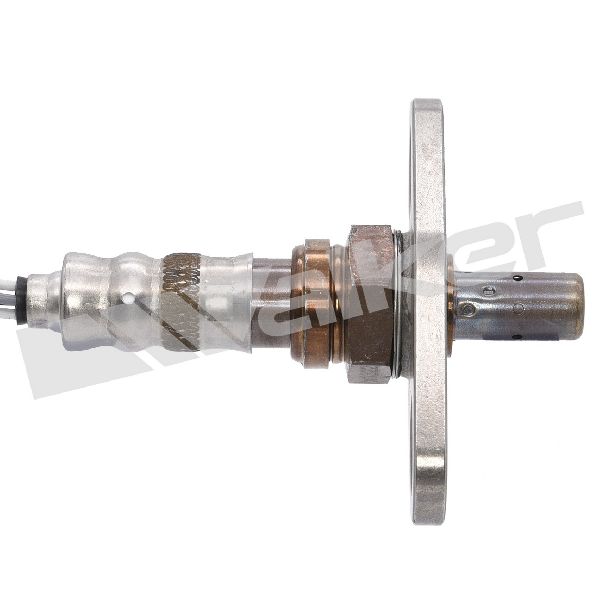
- DriveWire, Spectra, URO Parts, Walker Products: These brands offer a lower price point. While tempting, be cautious. Critical sensors like O2 sensors need to be accurate. Forum users frequently warn that cheaping out on these parts can lead to premature failure, incorrect readings, and persistent check engine lights, costing more in the long run.
California vs. Federal Emissions: A Critical Difference
For 1995-2001 Tacomas, you must know if your truck has California (CARB) or Federal (49-State) emissions. Some later models in this generation with California emissions use a different, more expensive front sensor called an Air/Fuel (A/F) Ratio Sensor. These parts are not interchangeable. Installing the wrong one will not work. Check the sticker under your hood or consult a parts catalog to confirm which system your truck has 🎬 See how to replace the California-spec Air/Fuel ratio sensor. before ordering.
Estimated Costs for Oxygen Sensor Replacement
| Part Type | Estimated Cost |
|---|---|
| New OEM (Toyota-branded Denso) | $150 - $400 |
| New Aftermarket (Denso/NGK) | $60 - $150 |
| New Aftermarket (Budget) | $25 - $75 |
| Shop Labor | $80 - $150 |
Cost estimates are approximate and can vary by location and specific part required (e.g., A/F sensor vs. standard O2 sensor).
Pro Tip: Installation Advice
Replacing the sensor is a manageable DIY job. The biggest challenge is often removing the old sensor, as the nuts can be rusted solid. Soak the nuts in penetrating oil for a few days before you start. Always use a new gasket if your sensor has one, and apply a small amount of anti-seize compound to the threads of the new sensor to make future replacement easier. Be careful not to get any anti-seize on the sensor tip itself.
Frequently Asked Questions (FAQ)
How many oxygen sensors does my 1995-2001 Tacoma have?
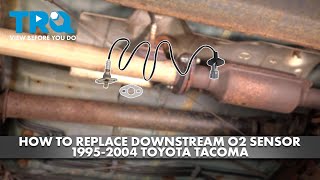
Most first-generation Tacomas have two oxygen sensors: one upstream (before the catalytic converter) and one downstream (after the catalytic converter).
What's the difference between an upstream and downstream sensor?
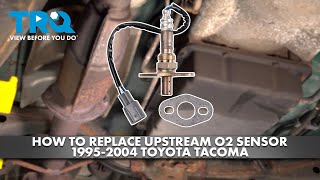
The upstream sensor (also called Bank 1, Sensor 1) is the most important one. It reads the raw exhaust from the engine and tells the computer how to adjust the fuel mixture. 🎬 Follow this walkthrough to replace your upstream oxygen sensor. The downstream sensor (Bank 1, Sensor 2) mainly just monitors the catalytic converter to make sure it's cleaning the exhaust properly.
Can I clean my old oxygen sensor?
While some people attempt to clean O2 sensors, it is not a reliable fix. The sensor fails internally over time, and cleaning the outside won't restore its accuracy. Replacement is the only guaranteed solution.
Do I need a special tool to replace an O2 sensor?
It depends on the sensor type. For sensors that are bolted on with two nuts, you'll typically need a 12mm socket or wrench. For sensors that screw directly into the exhaust pipe, a special slotted socket called an "oxygen sensor socket" (usually 22mm or 7/8") is highly recommended to do the job without damaging the wires.
Are there any recalls or TSBs for my Tacoma's O2 sensor?
There are no active recalls for the oxygen sensor on the 1995-2001 Toyota Tacoma. However, Toyota did issue a Technical Service Bulletin (TSB) for some 2000-2002 models related to heater circuit fault codes (like P0135), which called for an updated sensor design. It's also a good practice to check for exhaust leaks before the sensor, as a leak can sometimes trigger a false sensor code.
Helpful Videos
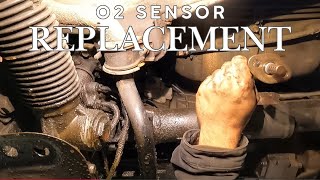

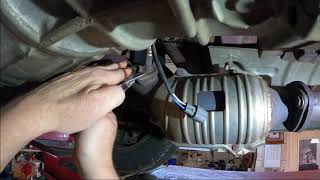
Technical Specifications
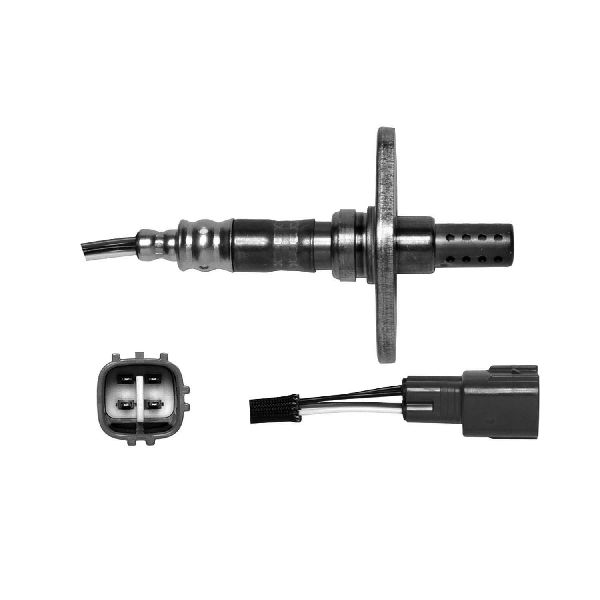
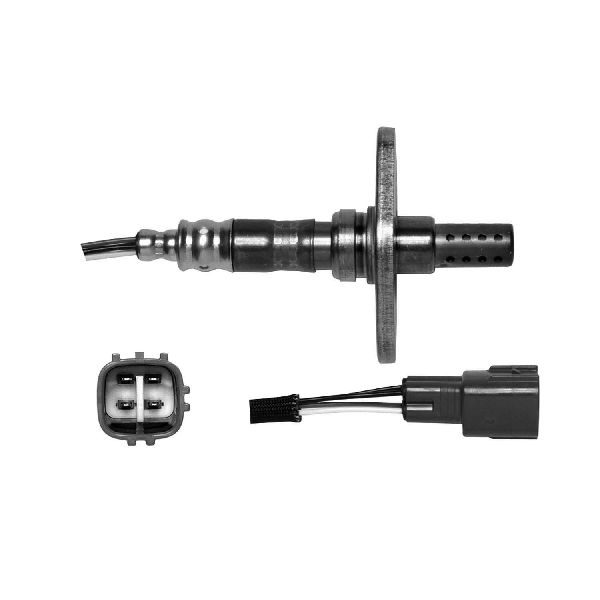
OEM Part Numbers: 89467-35010 89465-39825 234-4161 234-9001 234-9002
Varies by engine, model year, and emissions type (Federal vs. California). Upstream sensors can be standard (narrowband) or Air/Fuel Ratio (wideband). Downstream sensors are typically standard narrowband. Connection plugs and wire lengths are specific to each position.
We Have This Part in Stock
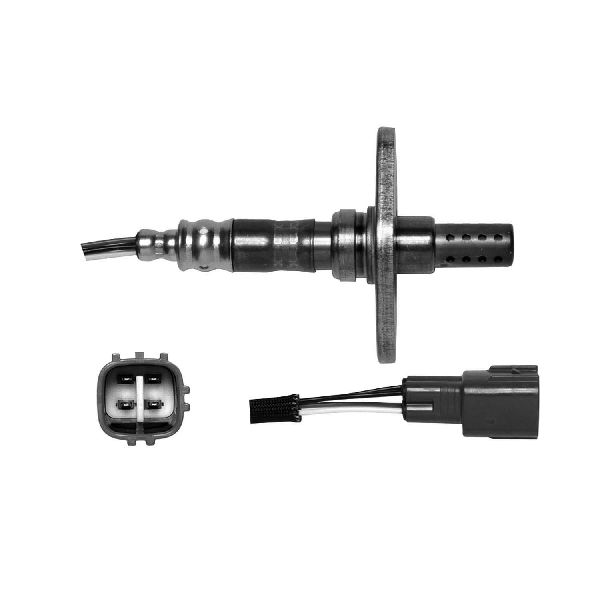
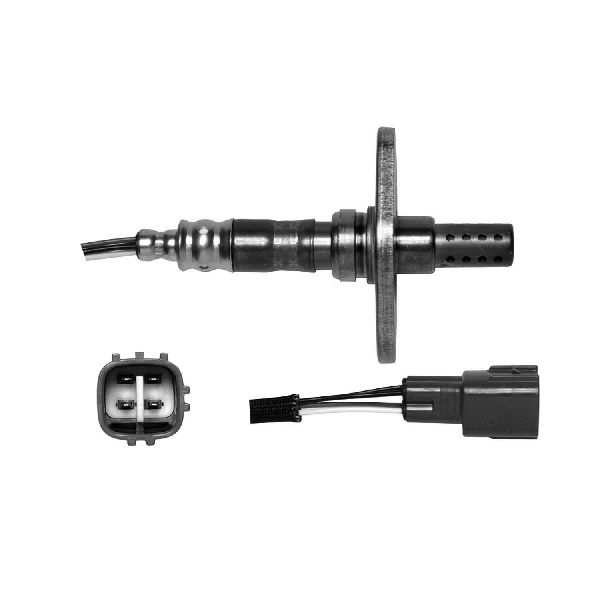

The information in this article is provided for general reference and educational purposes only. Vehicle specifications, procedures, and part compatibility can vary by production date, trim level, and region. Always consult your vehicle's factory service manual and verify part numbers before purchasing or performing repairs. Safety-critical components such as airbags, seat belts, and braking systems should be installed by a qualified professional.
- Toyota Tacoma:
- 🎬 Helpful Videos
- 🛍️ Shop This Part
- Is Your Tacoma's Oxygen Sensor Failing?
- Choosing the Right Aftermarket Oxygen Sensor
- Tier 1: OEM-Equivalent & Highly Recommended
- Tier 2: Reputable Aftermarket
- Tier 3: Budget Options
- California vs. Federal Emissions: A Critical Difference
- Estimated Costs for Oxygen Sensor Replacement
- Pro Tip: Installation Advice
- Frequently Asked Questions (FAQ)
- 🎟️ Get 5% Off