

Volkswagen Passat Engine Coolant Temperature Sensor Guide (1995-2001)
Is your Passat running rough or getting bad gas mileage? A small, inexpensive sensor could be the culprit.
- If your Passat has the original black-topped sensor, replace it with the updated green version proactively to avoid future issues.
- Symptoms like poor MPG, a dead temp gauge, and a check engine light (P0118) strongly point to a failing ECT sensor.
- This is a simple, inexpensive DIY repair that most owners can complete in under an hour.
- Stick with OEM supplier brands like Hella, Vemo, or Febi for the best reliability; avoid the cheapest unbranded options.
Is Your Passat's Coolant Temp Sensor Failing?
The engine coolant temperature (ECT) sensor on the B5 generation Passat is a known weak point, especially the original factory-installed versions. When this sensor fails, it can cause a range of confusing problems, from poor engine performance to a dead temperature gauge. Because the sensor provides critical data to both the engine computer and the dashboard, a bad reading can make the car run too rich, too lean, or prevent the cooling fans from turning on when needed.
The Black vs. Green Sensor: A Critical Update
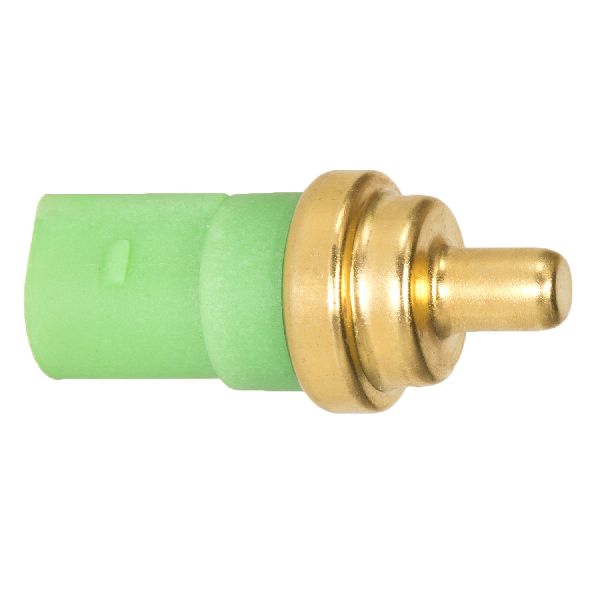
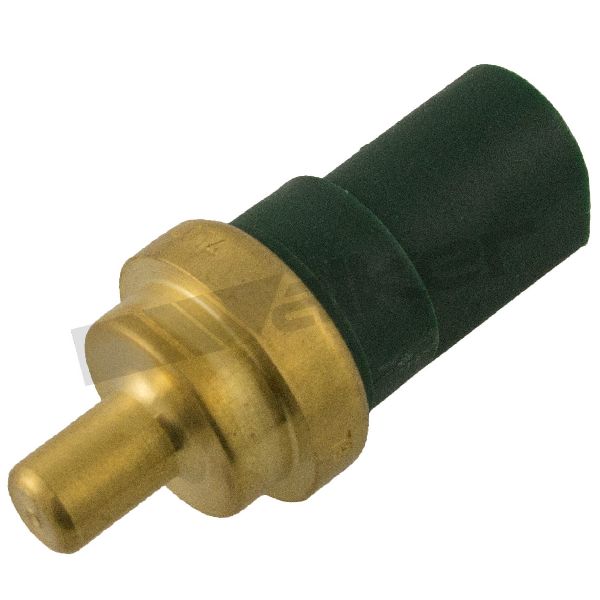
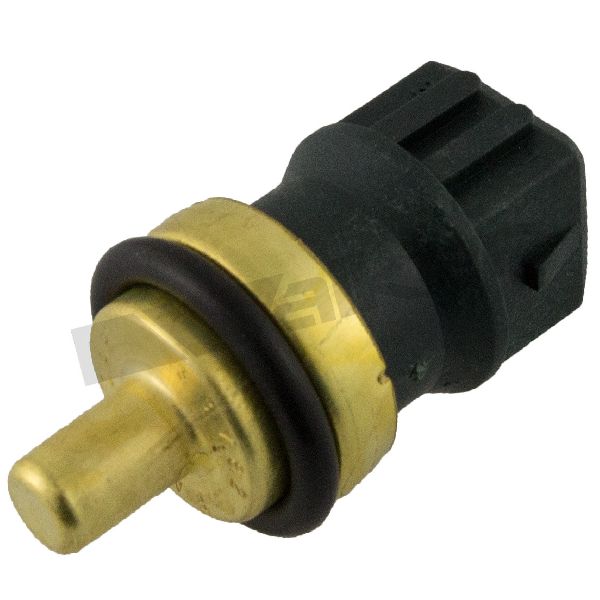
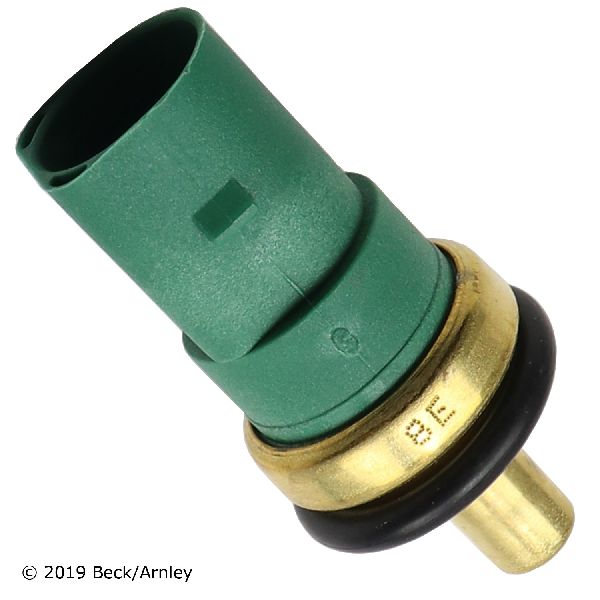
Early B5 Passats were fitted with a black-topped ECT sensor that is notorious for failing. Volkswagen later released an updated, more durable sensor with a green top. If you look at your sensor and see that it is black, it is highly recommended to replace it with a new green sensor, even if you aren't experiencing problems yet. It is a matter of when, not if, the black sensor will fail.
Symptoms of a Bad ECT Sensor
A failing ECT sensor can make your Passat act up in several ways. Here are the most common signs:
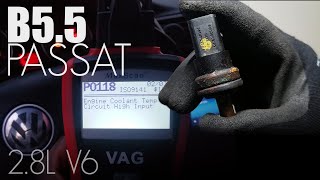
- Check Engine Light: This is often the first sign. A scan will typically show codes like P0118, P1256, or 00522.
- Erratic or Dead Temperature Gauge: The needle on your dash might not move at all, or it might swing back and forth unpredictably.
- Poor Fuel Economy: If the sensor tells the ECU the engine is always cold, the computer will inject extra fuel, hurting your gas mileage.
- Rough Idle or Stalling: The engine may run poorly, especially when cold, because the fuel mixture is incorrect.
- Black Smoke from Exhaust: This is a sign of the engine running too rich (too much fuel), which can be caused by a faulty sensor reading.
- Engine Overheating: If the sensor fails to tell the ECU that the engine is hot, the cooling fans may not turn on, leading to overheating.
Choosing the Right Aftermarket Sensor
You don't necessarily need to buy a part from the Volkswagen dealer. Many aftermarket brands produce quality replacements. They can be grouped into tiers:
- OEM Supplier Brands (Best): Brands like Hella, Vemo, and Febi Bilstein are often original equipment manufacturers for VW. Choosing one of these brands gives you OEM quality, often for less than the dealer price. Forum users frequently report good long-term results with these.
- Quality Aftermarket Brands (Good): Brands like Delphi, Beck Arnley, and Standard Ignition (SMP) are well-known in the industry and produce reliable sensors. They offer a good balance of price and quality.
- Value-Oriented Brands (Use with Caution): While the low price of some lesser-known or unbranded parts can be tempting, they can be a gamble. Forum users have reported issues with cheap sensors having poor-fitting O-rings that cause leaks or failing prematurely. If your budget is tight, stick to a known brand from the mid-tier.
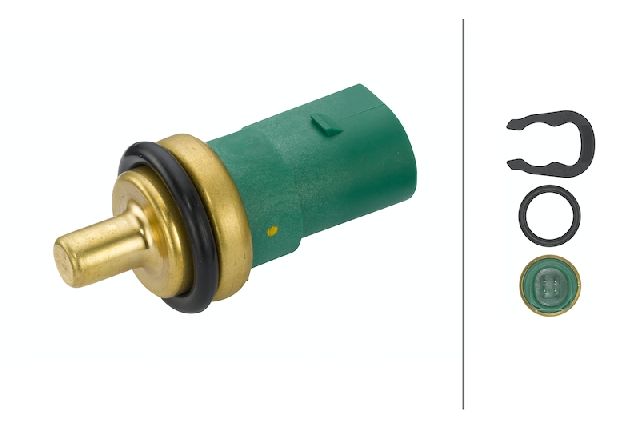
Pro Tip: Always replace the small plastic retaining clip and the rubber O-ring when you replace the sensor. Most quality aftermarket sensors include these in the box. A failed O-ring will cause a coolant leak.
Cost of Replacing the ECT Sensor
| Part Type | Estimated Cost |
|---|---|
| New OEM (Dealer) | $45 - $75 |
| New Aftermarket | $12 - $56 |
| Shop Labor | $70 - $140 |
Frequently Asked Questions
Where is the ECT sensor located on my Passat?
On both the 1.8T 4-cylinder and 2.8L V6 engines, the ECT sensor 🎬 Watch this step-by-step replacement guide for the V6 engine. is located on a coolant flange at the back of the engine, against the firewall. It is held in place by a plastic clip. It can be a tight space to work in, but it is accessible.
Is this a difficult repair to do myself?
No, this is a great DIY job for beginners. 🎬 See the easy way to swap the 1.8T sensor yourself. The process involves removing the engine cover and possibly an air intake pipe for access, unplugging the sensor, pulling out a plastic clip, and swapping the old sensor for the new one. You will lose a small amount of coolant, so have some spare G12/G13 coolant and distilled water ready to top it off. The entire job usually takes less than an hour.
Do I need to drain all the coolant to replace it?
No, you do not need to drain the entire system. The sensor is located high up on the engine. When you pull the old sensor out, some coolant will spill, but it will stop after a few seconds. Work quickly to minimize coolant loss and have the new sensor ready to install immediately.
Are there any recalls for this part?
No, there are no active recalls or Technical Service Bulletins (TSBs) from Volkswagen or the NHTSA specifically for the engine coolant temperature sensor on the 1995-2001 Passat. The issue with the original black sensor is considered a known common failure but not a safety recall.
Helpful Videos
Technical Specifications
OEM Part Numbers: 059919501A 078919501C
4-pin, D-shaped connector, includes O-ring and retaining clip.
We Have This Part in Stock


The information in this article is provided for general reference and educational purposes only. Vehicle specifications, procedures, and part compatibility can vary by production date, trim level, and region. Always consult your vehicle's factory service manual and verify part numbers before purchasing or performing repairs. Safety-critical components such as airbags, seat belts, and braking systems should be installed by a qualified professional.
- Volkswagen Passat: