

Choosing the Right Aftermarket Disc Brake Pads for Your 1995-2002 Chevrolet P30
Ensure your heavy-duty P30 chassis stops safely by selecting the right brake pads for motorhome or commercial use.
- Choose Severe-Duty or Truck-specific semi-metallic or carbon-fiber ceramic pads for P30 motorhomes and work trucks.
- Address the known issue of boiling brake fluid by upgrading to DOT 4 or DOT 5.1 fluid and considering a heat shield.
- Always replace or resurface brake rotors when installing new pads to ensure safety and performance.
- Inspect caliper slide pins and the caliper frame for wear or grooves that could cause pads to stick.
Symptoms of Failing Brake Pads
Worn brake pads will give you several warning signs. Ignoring them can lead to more expensive repairs and unsafe driving conditions. Look out for these common symptoms:
- Squealing or Screeching: Most brake pads have a small metal tab called a wear indicator. When the pad material wears down, this tab contacts the rotor and makes a high-pitched squeal. This is the first sign that you need new pads.
- Grinding Noise: If you hear a deep, metallic grinding sound, it means the brake pad material is completely gone. The metal backing plate of the pad is now grinding against the rotor. This is a critical safety issue that can destroy your rotors.
- Spongy or Low Brake Pedal: A brake pedal that feels soft or goes further to the floor than usual can indicate a serious problem. On the P30 chassis, this is a known symptom of brake fluid boiling from excessive heat.
- Longer Stopping Distances: If your truck or RV takes longer to stop than it used to, your brake pads are likely worn out and can no longer create enough friction.
Known Issue: Brake Fluid Boiling
Many P30 owners, especially those with motorhomes, have reported a dangerous issue where the brake fluid boils due to heat from the nearby exhaust manifold. The brake lines run very close to the manifold, and under heavy braking or long climbs, the heat can cause the standard DOT 3 fluid to boil. This creates gas bubbles in the lines, leading to a spongy pedal and a severe loss of braking power, particularly at the rear wheels. To fix this, owners recommend two steps: installing a custom metal heat shield to protect the master cylinder and brake lines, and upgrading the brake fluid to a high-temperature DOT 4 or DOT 5.1 fluid, which have higher boiling points. 🎬 See how to install heat sleeves to prevent brake fluid boiling. Do NOT use DOT 5 fluid, as it is silicone-based and not compatible with your system.
Choosing the Right Aftermarket Brake Pads
For a heavy-duty chassis like the P30, not all brake pads are created equal. The extra weight of a motorhome or a full cargo bay requires pads that can handle high temperatures and provide consistent stopping power. Aftermarket pads often offer better performance and value than original parts, which may be hard to find for this vehicle age.
Material Matters: Semi-Metallic vs. Ceramic
For the 1995-2002 P30, the choice usually comes down to two types:
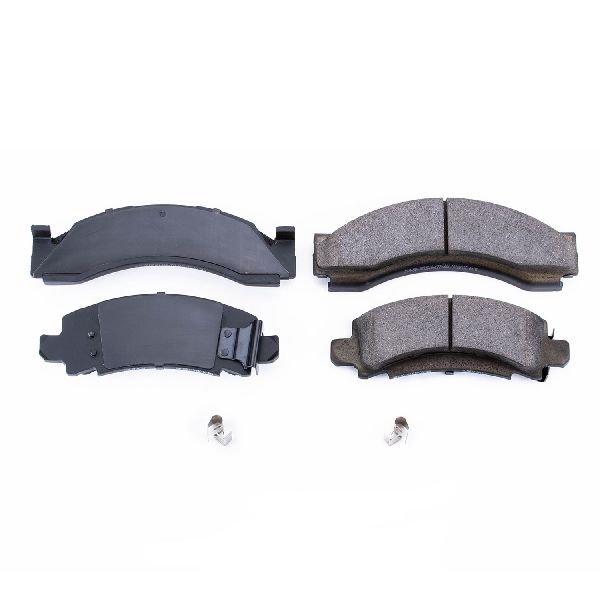
- Semi-Metallic Pads: These are the best choice for most P30 applications. Made from a mix of steel, iron, and other metals, they are excellent at dissipating heat and provide strong braking performance under heavy loads. They are durable and effective, though they can produce more dust and noise than ceramic pads. For a workhorse vehicle, their performance outweighs these minor drawbacks.
- Heavy-Duty/Carbon-Fiber Ceramic Pads: While some standard ceramic pads are not recommended for heavy trucks, specialized formulas are designed for this purpose. Brands like Powerstop offer carbon-fiber infused ceramic pads that promise strong stopping power with less dust and noise. These are a good upgrade if you want quieter operation without sacrificing performance.
Pro-Tip: Always replace brake rotors when you install new pads, or at least have them professionally resurfaced. New pads on a worn, uneven rotor surface will not perform correctly and will wear out quickly.
Brand Quality Tiers
The brands available for your P30 can be grouped into three general tiers based on their intended use and quality.
| Tier | Brands | Best For |
|---|---|---|
| Severe-Duty / Heavy-Duty | Powerstop (Z36 Truck & Tow), Wagner (Severe Duty), Bendix (FleetMetlock), Raybestos (Element3 Truck), EBC Brakes (Yellowstuff) | Motorhomes, commercial trucks, and vehicles that frequently tow or carry heavy loads. These pads are engineered for maximum stopping power and heat resistance. |
| OEM-Grade / Standard Replacement | ACDelco (Gold/Professional), Bosch, Centric (Posi-Quiet), Wagner (OEX), Raybestos (EHT) | Lighter-duty P30 applications or owners seeking a balance of performance, quiet operation, and value that meets or exceeds original factory standards. |
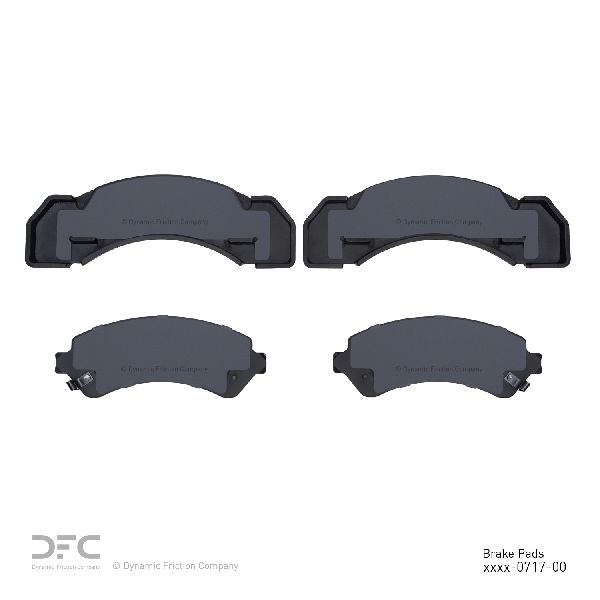
| Economy | Pronto, Dynamic Friction, and other budget-friendly store brands | Basic, low-cost replacements for vehicles with minimal and light-duty use. While functional, they may not offer the longevity or high-heat performance needed for demanding situations. |
Frequently Asked Questions (FAQ)
Which brake pad material is best for my P30 motorhome?
For a heavy P30 motorhome, a high-quality semi-metallic or a severe-duty ceramic pad is the best choice. Semi-metallic pads offer excellent heat dissipation and durability under heavy loads. Severe-duty ceramic pads, like the Powerstop Z36, are also designed for trucks and towing and can provide strong, quiet stopping power. Avoid standard passenger car ceramic pads, as they may not handle the high temperatures generated by stopping a heavy vehicle.
Do I really need to worry about my brake fluid boiling?
Yes. It is a well-documented issue with the P30 chassis, especially in RVs where engine heat is high. The loss of braking ability is a serious safety risk. At a minimum, when changing your brake pads, you should also flush the brake fluid and replace it with a high-quality DOT 4 or DOT 5.1 fluid for a higher boiling point. Inspecting the clearance around your brake lines and considering a heat shield is highly recommended.
Do I have to replace my rotors at the same time as my pads?
It is highly recommended. Rotors are a wear item, just like pads. Installing new pads on old, grooved, or warped rotors will cause noise, vibration, and reduced stopping power. For a heavy vehicle like the P30, having a perfectly flat and true rotor surface is essential for safety and performance. Given the labor involved, replacing both at the same time is the most effective and long-term solution.
🎬 Watch this full walkthrough of a P30 rotor and pad replacement.Is there anything unusual about a P30 brake job?
Yes, two things. First, some P30 models with rear disc brakes may not have self-adjusting calipers, meaning the brake pedal may get lower as the pads wear down. Second, the parking brake is not part of the rear service brakes. It is a separate drum brake assembly on the driveshaft at the back of thetransmission. This system has its own unique service requirements.
🎬 Watch this guide on servicing the P30 driveshaft parking brake shoes.Helpful Videos

Technical Specifications
OEM Part Numbers: 19342234 17D153MH
The Chevrolet P30 chassis uses a hydraulic disc brake system. Pad composition is critical, with semi-metallic and heavy-duty ceramic being the most suitable aftermarket options. The system uses DOT 3 brake fluid from the factory, but upgrading to a higher-boiling-point DOT 4 or DOT 5.1 fluid is highly recommended due to heat issues.
We Have This Part in Stock
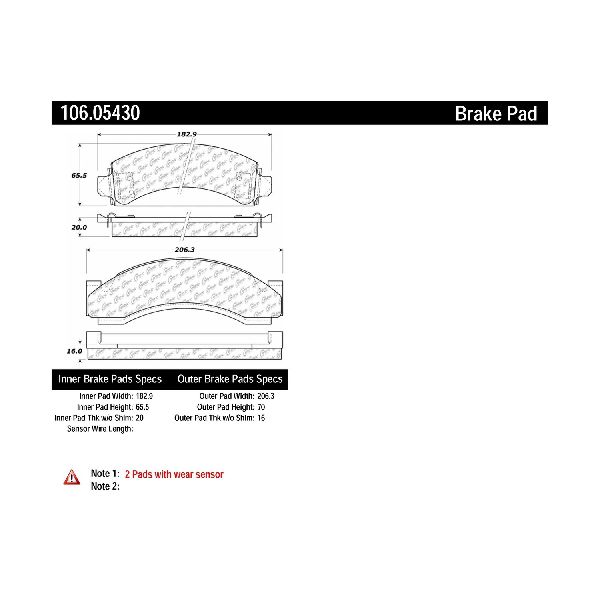
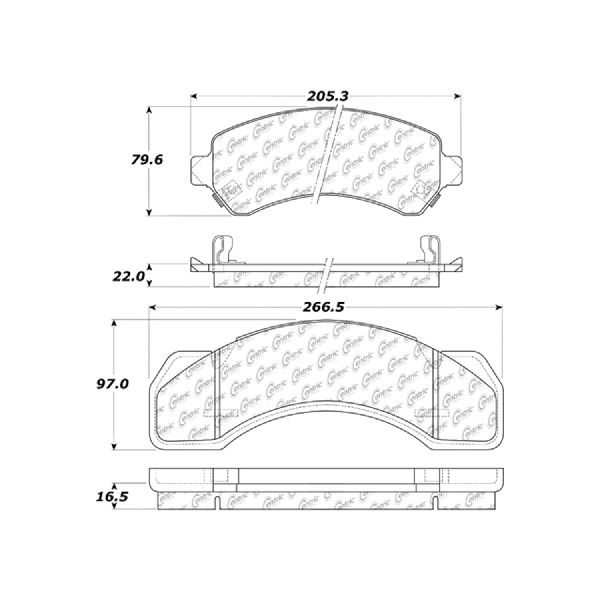
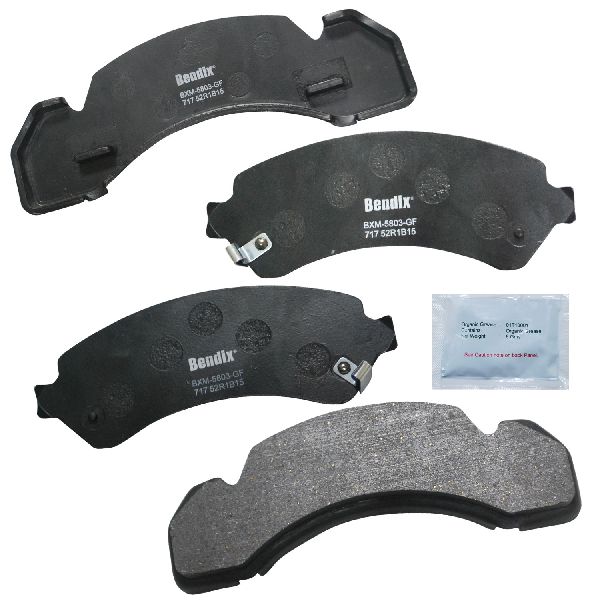
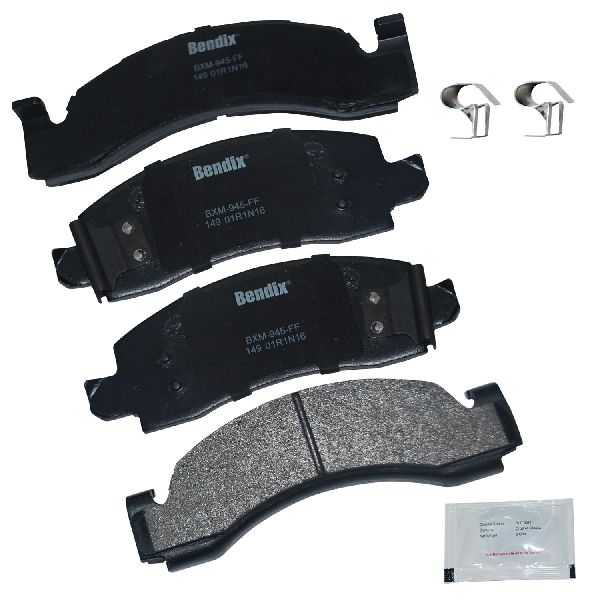

The information in this article is provided for general reference and educational purposes only. Vehicle specifications, procedures, and part compatibility can vary by production date, trim level, and region. Always consult your vehicle's factory service manual and verify part numbers before purchasing or performing repairs. Safety-critical components such as airbags, seat belts, and braking systems should be installed by a qualified professional.
- Chevrolet P30:
- 🎬 Helpful Videos
- 🛍️ Shop This Part
- Symptoms of Failing Brake Pads
- Known Issue: Brake Fluid Boiling
- Choosing the Right Aftermarket Brake Pads
- Material Matters: Semi-Metallic vs. Ceramic
- Pro-Tip: Always replace brake rotors when you install new pads, or at least have them professionally resurfaced. New pads on a worn, uneven rotor surface will not perform correctly and will wear out quickly.
- Brand Quality Tiers
- Frequently Asked Questions (FAQ)
- 🎟️ Get 5% Off