

Engine Coolant Temperature Sensor Guide for the 1995-2002 Chevrolet P30
Learn how a small, inexpensive sensor can cause major running issues like poor fuel economy and black smoke on your Chevrolet P30.
- A bad ECT sensor on a P30 typically causes a rich running condition, leading to poor MPG and black smoke.
- Stick to OEM (ACDelco) or reputable aftermarket brands (Delphi, Standard Ignition) as cheap sensors are known to be unreliable.
- This is an easy and inexpensive DIY repair, located at the front of the intake manifold on 7.4L engines.
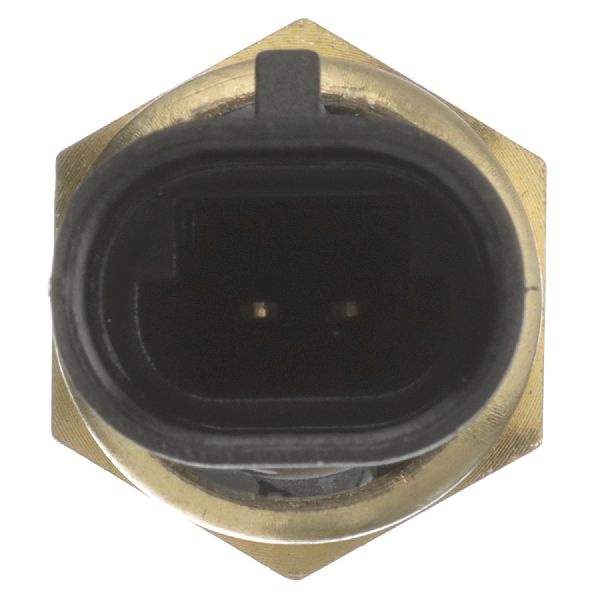
- Do not confuse the two-wire ECT sensor for the computer with the one-wire sender for the dash gauge.
Is Your P30 Running Rough? It Could Be the Coolant Temp Sensor
If your Chevrolet P30 is experiencing issues like bad gas mileage, black exhaust smoke, or hard starting, a faulty Engine Coolant Temperature (ECT) sensor might be the culprit. This sensor plays a critical role in how your engine runs from the moment you turn the key. A bad sensor can trick your engine's computer into thinking the engine is always cold, leading to a host of performance problems.
Symptoms of a Failing ECT Sensor on a Chevy P30
A failing ECT sensor can cause a variety of symptoms because it directly impacts the air-fuel mixture. Here are the most common signs:
- Poor Fuel Economy: If the sensor incorrectly tells the computer the engine is cold, the computer will continuously send extra fuel, drastically reducing your miles per gallon.
- Black Smoke from Exhaust: This is a clear sign of an overly rich fuel mixture. The engine is getting too much gasoline and not enough air, and the unburned fuel is exiting through the exhaust as black smoke.
- Check Engine Light: A faulty ECT sensor will often trigger a Check Engine Light. Common trouble codes include P0117 (Sensor Circuit Low Voltage) and P0118 (Sensor Circuit High Voltage).
- Engine Overheating: While less common, a faulty sensor can sometimes fail to signal the computer to turn on the electric cooling fans (if equipped), leading to overheating in traffic.
- Difficult Starting: The engine may be hard to start, especially when it's already warm, because the computer is providing the wrong fuel mixture for the temperature.
Don't Confuse the Sensor with the Sender!
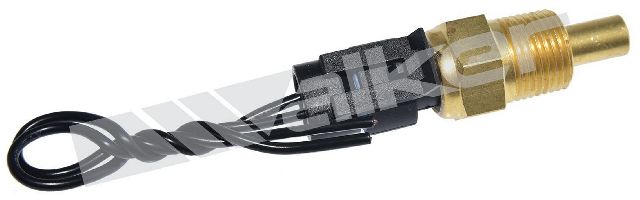
Your P30 has two similar-looking parts. The Engine Coolant Temperature (ECT) Sensor has two wires and sends information to the engine computer. The Coolant Temperature Sender has one wire and only operates the temperature gauge on your dashboard. If your gauge is acting up but the engine runs fine, the sender is likely the problem, not the sensor.
Choosing the Right Aftermarket ECT Sensor
While this is an inexpensive part, quality matters. A cheap, poorly made sensor can fail quickly or be inaccurate right out of the box, causing the same problems you're trying to fix. It's best to stick with trusted brands.
- Tier 1 - OEM & Premium Aftermarket: ACDelco is the original equipment manufacturer for GM and is the safest bet for fit and accuracy. Delphi is another top-tier OEM supplier that makes high-quality sensors often identical to the original part. These brands provide the highest reliability.
- Tier 2 - Quality Aftermarket: Brands like Standard Ignition (SMP), NGK (NTK), and Hella have a strong reputation for producing reliable electronic components that meet or exceed OEM specifications. They are a solid choice if an OEM part isn't available.
- Tier 3 - Budget Options: Brands like Four Seasons, Walker Products, and other store brands fall into this category. While they are affordable, their quality can be inconsistent. It's a gamble that might have you doing the job twice. If your budget is tight, try to at least test the new sensor's resistance before installing it.
Cost to Replace a Chevrolet P30 ECT Sensor
| Part Type | Estimated Cost |
|---|---|
| New Aftermarket | $12.58 - $251.27 |
| New OEM (ACDelco) | $25 - $75 |
| Shop Labor | $50 - $100 |
Pro Tip: Easy DIY Replacement
Replacing the ECT sensor on the P30's common 7.4L (454) V8 engine is a simple job that most owners can do themselves in under 30 minutes with basic tools. The sensor is easy to access, making this a great way to save on labor costs.
Frequently Asked Questions (FAQ)
Where is the ECT sensor located on a 1995-2002 Chevy P30?
On the popular 7.4L (454) V8 engine, the ECT sensor is located on the front of the intake manifold, next to the thermostat housing and the upper radiator hose. It has a two-wire electrical connector.
Can a bad ECT sensor really cause my P30 motorhome to run that rich?
Yes. The ECT sensor is the primary input the engine computer uses to determine how much fuel to add when the engine is cold. If it sends a false 'cold' signal (high resistance), the computer will keep dumping extra fuel, just like a choke stuck on a carburetor.
Do I need to drain the coolant to replace the sensor?
You will lose a small amount of coolant when you unscrew the old sensor. If the coolant level is already a bit low, you might not lose any. To minimize loss, have the new sensor ready to screw in as soon as you remove the old one. Be sure to top off the coolant afterward.
Is it okay to just buy the cheapest sensor available?
It is not recommended. Forum discussions and mechanic reviews frequently mention that new, low-cost sensors can be defective from the factory or fail shortly after installation. Spending a little more on a reputable brand like ACDelco or Delphi can save you the headache of diagnosing the same problem again.
Are there any recalls for the ECT sensor on the Chevy P30?
No, there are no specific recalls or widespread technical service bulletins (TSBs) from General Motors for the engine coolant temperature sensor on the 1995-2002 Chevrolet P30 chassis.
Technical Specifications
OEM Part Numbers: 12146312 25036979
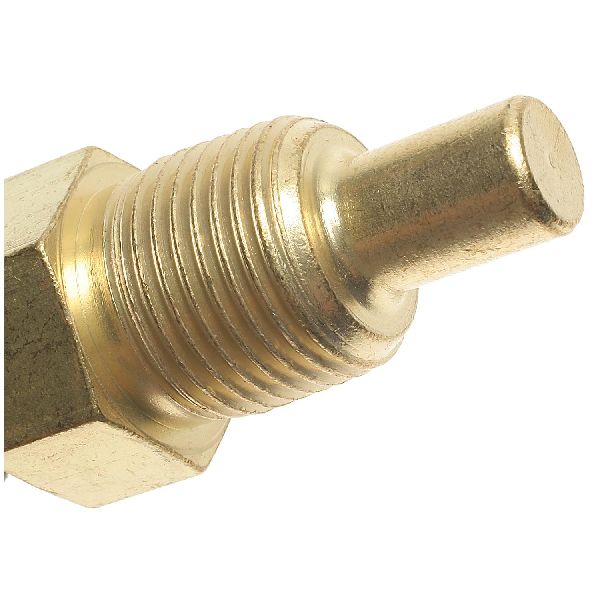
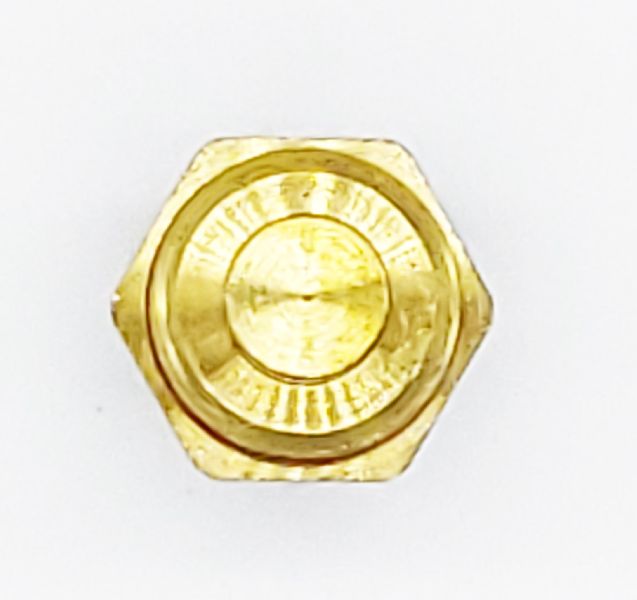
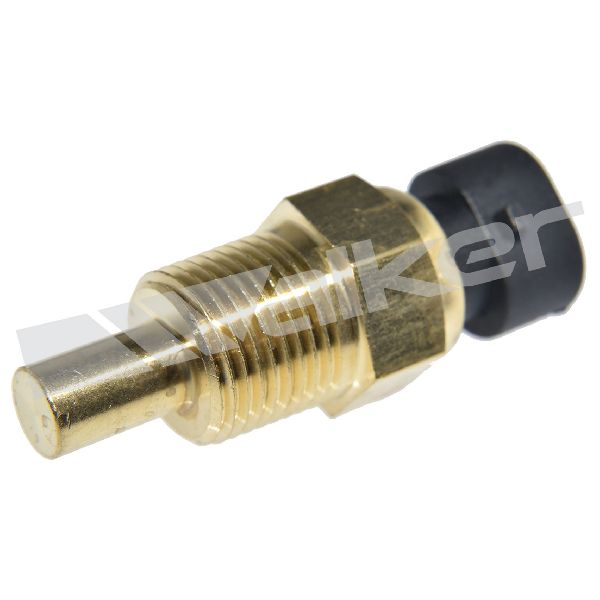
The ECT sensor for the Chevrolet P30 is a two-terminal thermistor. Its resistance changes with temperature, sending a variable voltage signal to the engine computer. At approximately 68°F (20°C), the resistance should be between 2,000 and 3,000 ohms. The sensor typically requires a 3/4" or 19mm deep socket for removal and installation.
We Have This Part in Stock


The information in this article is provided for general reference and educational purposes only. Vehicle specifications, procedures, and part compatibility can vary by production date, trim level, and region. Always consult your vehicle's factory service manual and verify part numbers before purchasing or performing repairs. Safety-critical components such as airbags, seat belts, and braking systems should be installed by a qualified professional.
- Chevrolet P30:
- 🛍️ Shop This Part
- Is Your P30 Running Rough? It Could Be the Coolant Temp Sensor
- Symptoms of a Failing ECT Sensor on a Chevy P30
- Don't Confuse the Sensor with the Sender!
- Choosing the Right Aftermarket ECT Sensor
- Cost to Replace a Chevrolet P30 ECT Sensor
- Pro Tip: Easy DIY Replacement
- Frequently Asked Questions (FAQ)
- 🎟️ Get 5% Off