

Engine Coolant Temperature Sensor Guide for 1995-2002 Ford E-150 Econoline Club Wagon
Keep your Ford van's engine running right by understanding and replacing a faulty coolant temperature sensor.
- Confirm whether you are replacing the ECT sensor (for the computer) or the temperature sender (for the gauge), as they are different parts on some models.
- Symptoms include a check engine light (P0115, P0117, P0118), poor fuel economy, rough idle, and potential overheating.
- Accessing the sensor on V8 models can be difficult, often requiring removal of the air intake tube and working around the alternator.
- While value brands are available, using a quality aftermarket brand like Delphi, NGK, or Standard Ignition, or an OEM Motorcraft part is recommended for reliability.
Is Your E-150's Engine Acting Up? It Could Be a Bad Coolant Sensor

If your 1995-2002 Ford E-150 Econoline Club Wagon is experiencing issues like a rough idle, poor fuel mileage, or an inaccurate temperature gauge, a failing Engine Coolant Temperature (ECT) sensor might be the culprit. This sensor is critical for telling the engine's computer how to manage fuel and cooling, and a bad signal can cause a variety of problems.
Two Different Temperature Senders
Be aware that many Fords from this era, including the E-150, may have two separate coolant temperature units. One is the ECT sensor for the engine computer (PCM), and the other is a coolant temperature sender for the dashboard gauge. They are not interchangeable. 🎬 Watch: Understanding the difference between the sender and the sensor The ECT sensor is the more critical of the two, as it directly affects how the engine runs. This guide focuses on the ECT sensor.
Choosing the Right Aftermarket ECT Sensor

When replacing the ECT sensor, you have a choice between OEM (Original Equipment Manufacturer) parts from Ford/Motorcraft and a wide range of aftermarket brands. For critical sensors like the ECT, many mechanics and experienced owners prefer OEM to ensure perfect compatibility and accurate readings. However, quality aftermarket brands can offer a reliable and more affordable alternative.
Here’s a look at some available brands:
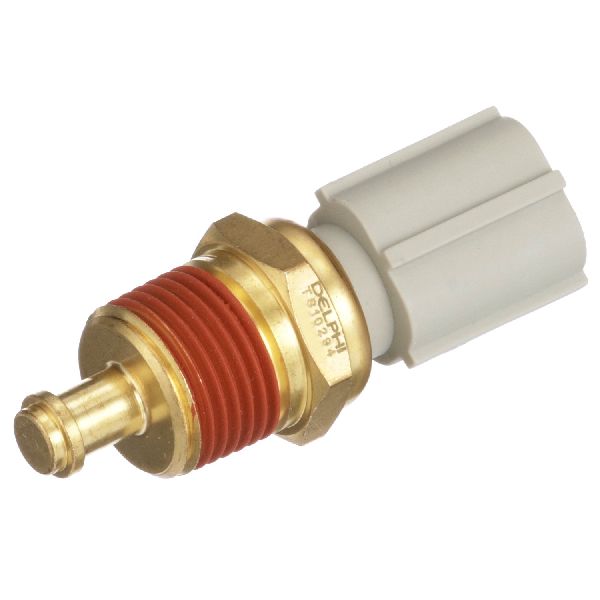
- Premium Brands (Often OEM Suppliers): Brands like Delphi and NGK are known for producing high-quality electronic components that often meet or exceed OEM specifications. They are a solid choice for reliability. Standard Ignition (Standard Motor Products) is also generally well-regarded, though it's best to inspect the part as they sometimes rebox other manufacturers.
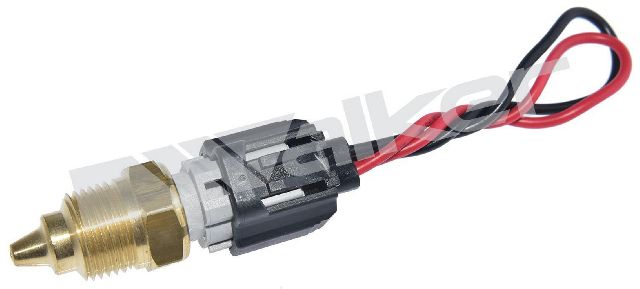
- Mid-Tier & Value Brands: Brands like Walker Products, Holstein, Four Seasons, and Global Parts offer a balance of affordability and quality. They are engineered to be direct-fit replacements and are a popular choice for budget-conscious repairs.
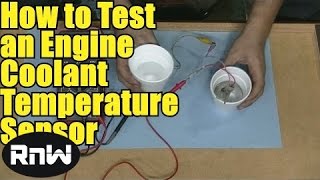
- Store Brands & Others: Brands like True Tech and Facet are typically entry-level options. While they are the most affordable, some forum discussions suggest that for critical electronic sensors, sticking with a more established brand name may prevent future issues. 🎬 Learn how to test your sensor using a basic multimeter
Estimated Replacement Costs
| Part/Service | Estimated Cost |
|---|---|
| New Aftermarket ECT Sensor | $12.13 - $56.45 |
| New OEM (Motorcraft) ECT Sensor | $25 - $50 |
| Shop Labor | $60 - $120 |
| Total (DIY) | $12.13 - $56.45 |
| Total (Shop Repair) | $72 - $177 |
Pro Tip: The sensor's location can vary depending on your van's engine (4.2L V6, 4.6L V8, or 5.4L V8). On many V8 models, it is located on the front of the intake manifold, under the alternator. This can make access difficult and increase labor time. It's a good idea to replace the sensor when you are already performing other service in that area, like replacing the thermostat or intake manifold gaskets.
Frequently Asked Questions (FAQ)

Where is the ECT sensor located on my E-150?
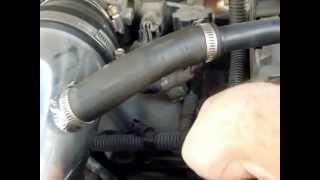
The location depends on your engine. On the V8 engines (4.6L/5.4L), it is often found on the driver's side of the intake manifold, near the front and potentially under the alternator. 🎬 See this video to find the sensor on V8 engines On V6 models, it's also typically on the intake manifold. It's a small, two-wire sensor that screws into a coolant passage.
Why is my temperature gauge acting weird but I have no check engine light?
This could mean the issue is with the separate temperature sender that controls the gauge, not the ECT sensor for the computer. If the gauge suddenly pegs hot and then returns to normal after restarting the van, it could be an intermittent fault in the sender, wiring, or even the instrument cluster itself.
Can I replace the ECT sensor myself?
Yes, for a mechanically inclined person, this is a feasible DIY job. The main challenge is access, which can be tight, especially on V8 models. You will need to partially drain the cooling system to avoid a mess. The sensor itself just unscrews, but you may need a deep socket to remove it.
Are there any recalls for this part?
There are no specific recalls for the Engine Coolant Temperature Sensor on the 1995-2002 Ford E-150. However, there have been recalls related to cooling system performance and fail-safe cooling software that rely on temperature readings, making a functional sensor very important.
Helpful Videos

Technical Specifications
OEM Part Numbers: 3F1Z-12A648-A F5AZ-12A648-A F5AZ-12A648-AB
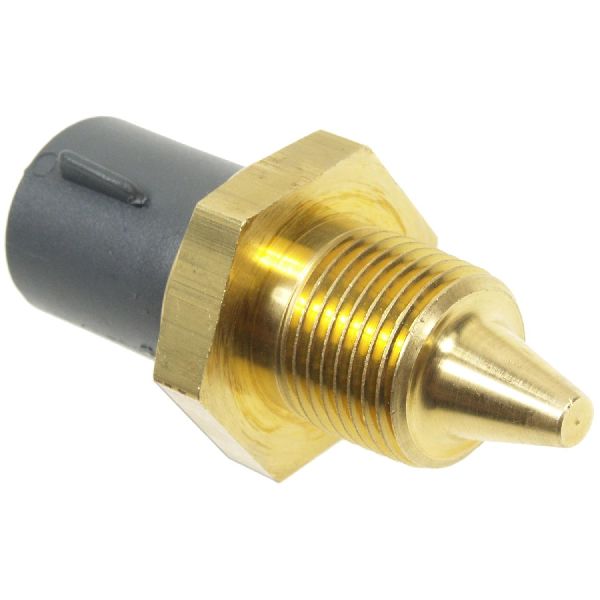
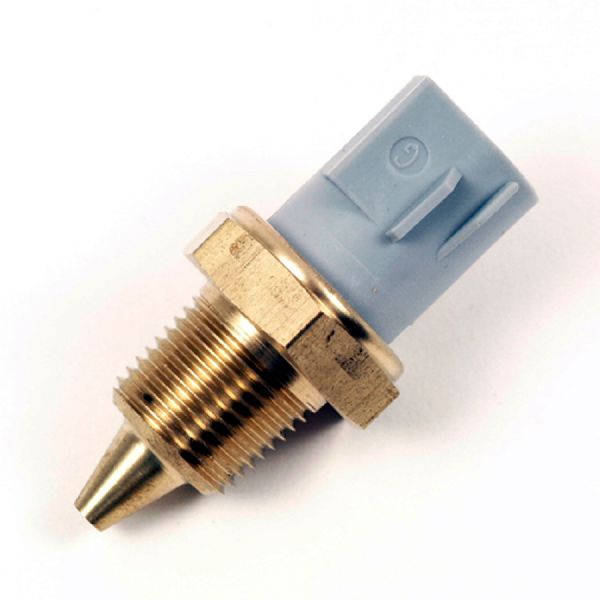
Typically a two-pin, threaded brass sensor. Location and thread size may vary by engine type (4.2L V6, 4.6L V8, 5.4L V8).
We Have This Part in Stock


The information in this article is provided for general reference and educational purposes only. Vehicle specifications, procedures, and part compatibility can vary by production date, trim level, and region. Always consult your vehicle's factory service manual and verify part numbers before purchasing or performing repairs. Safety-critical components such as airbags, seat belts, and braking systems should be installed by a qualified professional.
- Ford E-150 Econoline Club Wagon: