

Ford Ranger Mass Air Flow Sensor Guide (1995-2002)
Experiencing rough idle, poor mileage, or stalling? Your MAF sensor might be the culprit.
- Try cleaning the original sensor with dedicated MAF cleaner before buying a new one.
- Replacement is very easy and requires only a T20 security Torx bit.
- For reliability, choose a premium aftermarket brand like Delphi or NGK, as cheap sensors can cause new problems.
- Symptoms like rough idle, poor MPG, and hesitation are classic signs of a failing MAF sensor on a Ranger.
Is Your Ranger's MAF Sensor Failing?

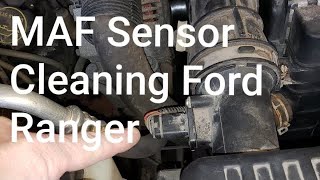
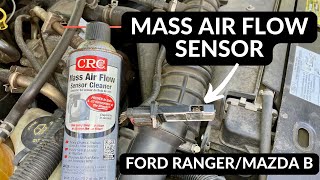
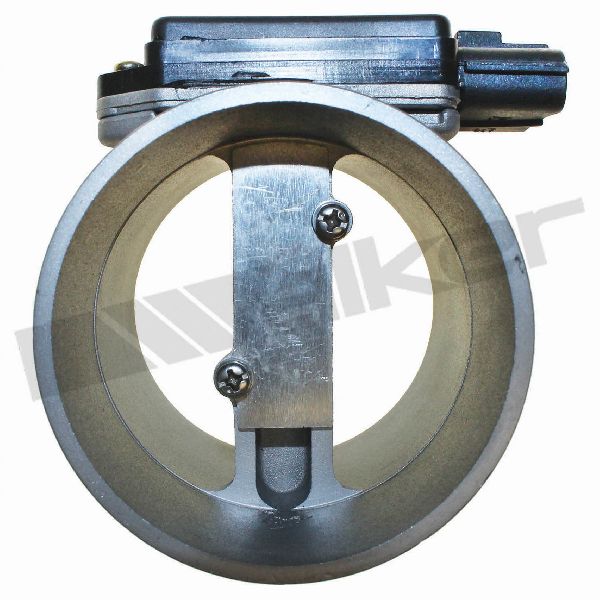
A dirty or faulty Mass Air Flow (MAF) sensor is a common issue on 1995-2002 Ford Rangers, especially on the 4.0L engine, which seems more prone to the problem. Over time, the sensor's delicate wires can get contaminated with dirt, oil, or moisture, causing them to send inaccurate readings to the engine computer. This throws off the air-fuel mixture and leads to noticeable performance issues. Before you buy a new one, it's often worth trying to clean the original sensor with a dedicated MAF sensor cleaner spray. 🎬 Watch this step-by-step guide on cleaning your Ranger's MAF sensor. Never use brake or carb cleaner, as they can damage the sensitive components.
Symptoms of a Bad MAF Sensor

- Check Engine Light: This is often the first sign. Codes like P0101, P0102, or P0103 point directly to a MAF sensor issue.
- Rough Idle and Stalling: The engine may idle erratically, shake, or stall completely at stops because the computer can't maintain a stable air-fuel ratio.
- Hesitation and Power Loss: You might feel a lag, jerk, or surge when you press the gas pedal. The truck may feel sluggish and underpowered.
- Poor Fuel Economy: A bad sensor can cause the engine to run too rich (too much fuel), leading to a noticeable drop in MPG and sometimes black smoke from the exhaust.
- Hard Starting: The engine may take longer than usual to start or fail to start at all due to an improper air-fuel mixture.
Choosing the Right Aftermarket MAF Sensor

While a genuine Motorcraft part is often preferred for sensors on these trucks, they can be hard to find or expensive. Many aftermarket brands offer a reliable alternative, but quality can vary. Some owners report issues with cheaper, no-name brands causing new drivability problems. It's best to stick with reputable manufacturers.
Brand Quality Tiers
Based on owner feedback and industry reputation, here’s how the available brands generally stack up for your Ranger:
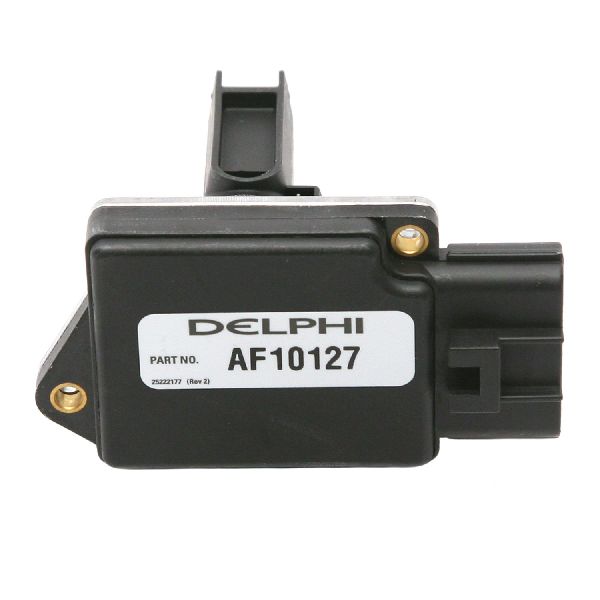
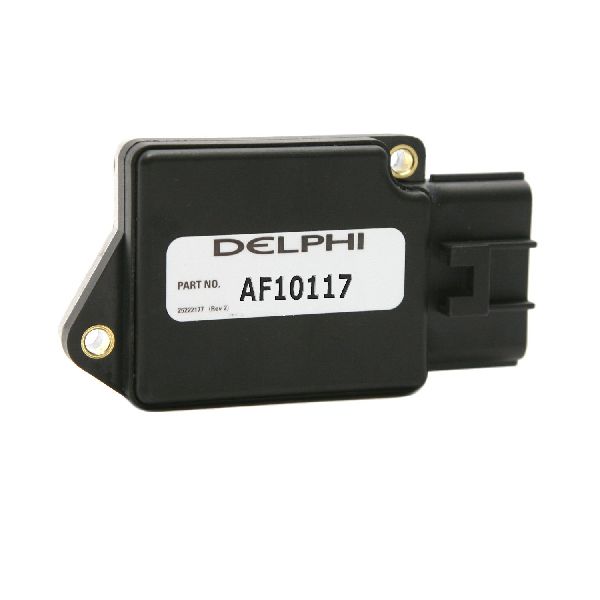
- Premium Aftermarket (OEM-Quality): Brands like Delphi, NGK (NTK), and Hitachi (if available) are known for building sensors to OE specifications and are trusted by professional shops. These are your most reliable choices for long-term performance without paying for the OEM box.
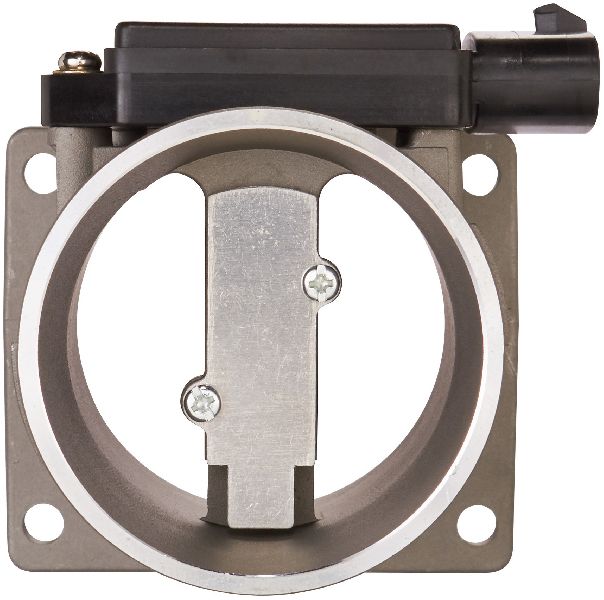
- Standard Aftermarket: Brands like Spectra, Walker Products, and Standard Ignition (SMP) offer a good balance of quality and value. They are generally dependable for daily driving.
- Economy Options: Brands like Cardone (often remanufactured), DriveWire, and other lower-priced options can be a bit of a gamble. While they might work fine, some owners have reported immediate issues or shorter lifespans.
Known Issues, Recalls, and TSBs
Searches for official recalls or Technical Service Bulletins (TSBs) from Ford or the NHTSA for the 1995-2002 Ranger's Mass Air Flow sensor did not yield any specific results. Most MAF sensor issues on these trucks are related to age, dirt accumulation, or contamination from over-oiled air filters rather than a manufacturing defect. No active recalls concerning the MAF sensor for this generation were found.
Installation Overview

Replacing the MAF sensor on a 1995-2002 Ranger is a simple job that most DIYers can do in under 30 minutes.
- Locate the Sensor: It's on the air filter housing, right after the airbox and before the large intake tube.
- Disconnect: Unplug the electrical connector. You may need to slide a locking tab first.
- Unscrew: Remove the two T20 Torx security screws holding the sensor in place.
- Replace: Carefully pull the old sensor out, and install the new one. Ensure the O-ring is seated properly to prevent air leaks.
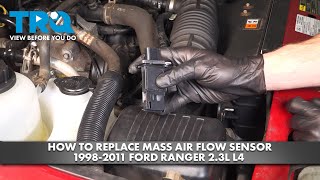
- Reconnect: Tighten the screws (don't overtighten, the torque is very low at around 18 in-lbs) 🎬 See how to quickly replace the MAF sensor yourself., plug the connector back in, and you're done. It's a good idea to disconnect the battery for a few minutes to reset the ECU.
| Part Type | Price Range |
|---|---|
| New Aftermarket | $40.12 - $172.95 |
| New OEM (Motorcraft) | $222 - $438 |
| Remanufactured | $50 - $120 |
| Shop Labor | $66 - $97 |
Frequently Asked Questions
Can I just clean my old MAF sensor?
Yes, and you should try this first. Often, issues are caused by a dirty sensor element. Use a dedicated MAF sensor cleaner spray and follow the directions carefully. If cleaning doesn't solve the problem, the sensor likely needs to be replaced.
Do I need a special tool to replace the MAF sensor?
Yes, you will likely need a T20 security Torx bit. This looks like a star-shaped bit with a pin in the center. Many replacement sensors come with a new tool in the box.
🎬 Follow this video tutorial for a complete sensor replacement walkthrough.Will a bad MAF sensor stop my truck from starting?
It can. A severely faulty MAF sensor can provide such incorrect data that the engine computer cannot create the right mixture for combustion, leading to a no-start condition.
Why are some aftermarket MAF sensors so cheap?
Lower-cost sensors may use less robust materials or may not be calibrated as precisely as OEM or premium aftermarket units. Some are remanufactured, meaning they are cleaned and repaired used parts. For a critical sensor like the MAF, investing in a quality brand is often worth the extra cost to avoid future headaches.
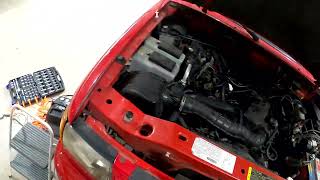
Helpful Videos
Technical Specifications
OEM Part Numbers: F67Z12B579B F67Z12B579EA
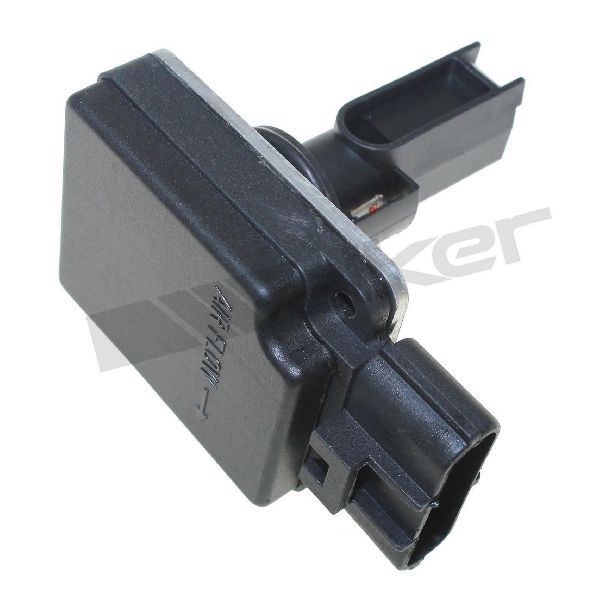
Typically a 4-prong male blade terminal with a single female connector, includes housing. Requires a T20 security Torx bit for removal.
We Have This Part in Stock


The information in this article is provided for general reference and educational purposes only. Vehicle specifications, procedures, and part compatibility can vary by production date, trim level, and region. Always consult your vehicle's factory service manual and verify part numbers before purchasing or performing repairs. Safety-critical components such as airbags, seat belts, and braking systems should be installed by a qualified professional.
- Ford Ranger: