

Ford Ranger Throttle Position Sensor (TPS) Guide for 1995-2002 Models
Solve erratic idle, poor acceleration, and shifting problems by understanding and choosing the right TPS for your truck.
- A failing TPS on a 1995-2002 Ranger commonly causes automatic transmission shifting problems, not just engine issues.
- Replacement is a very simple DIY job requiring basic hand tools and less than 30 minutes.
- Using a quality brand like Motorcraft, Delphi, or Standard Ignition is highly recommended to ensure accuracy and longevity.
- No special calibration is needed; simply disconnect the battery for a few minutes after installation to reset the computer's memory.
Understanding Throttle Position Sensor Failure on Your Ranger

The Throttle Position Sensor (TPS) on the 1995-2002 Ford Ranger is a simple but critical sensor. It works like a dimmer switch, sending a variable voltage signal to the engine computer that corresponds to the throttle plate's angle. Over time, the internal electrical contacts can wear out, creating dead spots or sending erratic signals. This bad information confuses the computer, leading to a host of drivability issues. One of the most common and frustrating symptoms on a Ranger with an automatic transmission is poor shifting behavior, because the computer relies on the TPS signal to help decide when to shift gears.
Symptoms of a Failing Ford Ranger TPS

If your TPS is starting to fail, you'll likely notice one or more of these issues:
- Check Engine Light: The computer will often trigger a Check Engine Light with codes like P0122 (signal low) or P0123 (signal high).
- Erratic or High Idle: The engine may idle too high, too low, or surge up and down.
- Poor Acceleration & Hesitation: The truck may feel sluggish, hesitate, or stumble when you press the gas pedal.
- Harsh or Delayed Shifting (Automatic Transmission): A bad TPS is a well-known cause of transmission shifting problems in this generation of Ranger, including harsh shifts or delayed shifting.
- Decreased Fuel Economy: When the computer gets bad data, it can't manage the fuel mixture efficiently, leading to worse gas mileage.
Known Issue: TPS Wiring Harness
For 1998-2000 Rangers, Ford issued a Technical Service Bulletin (TSB 00-3-5) for high idle conditions caused by a poor electrical connection at the TPS wiring harness. Before replacing the sensor, always inspect the connector and wiring for damage or corrosion.
🎬 See how to quickly test and change your sensor in minutes.Choosing the Right Aftermarket TPS: Brand Quality Matters

When it comes to sensors for your Ranger, brand quality is important. While saving money is tempting, a cheap, low-quality TPS can fail quickly or be inaccurate out of the box, causing the same problems you're trying to fix. Forum discussions among Ranger owners often recommend sticking with trusted brands.
- OEM (Motorcraft): This is the original part your truck came with. It's the benchmark for quality, fit, and performance. If your budget allows, Motorcraft is the safest choice.
- Premium Aftermarket (Delphi, NGK, Standard Ignition): These brands have a strong reputation for producing quality sensors that are reliable alternatives to OEM. Delphi and NGK are often original equipment suppliers to many automakers. Standard Ignition (also known as SMP) is a long-standing, respected aftermarket brand.
- Standard Aftermarket (Dorman, Walker Products): These brands offer a balance of value and quality. They are generally reliable for common repairs, though some users report mixed experiences with electronic parts.
- Economy Brands (Replacement, True Tech, etc.): These are the most budget-friendly options. While they may function, their long-term durability and accuracy can be inconsistent. It's often worth spending a little more to avoid having to do the job twice.
Pro Tip: Many different part numbers exist for this sensor depending on your Ranger's specific year and engine (2.3L, 2.5L, 3.0L, or 4.0L). Always verify the part fits your exact vehicle using your VIN or by matching the engine and year before purchasing.
Cost to Replace a 1995-2002 Ford Ranger TPS
The cost will vary based on the brand you choose and whether you install it yourself.
| Item | Estimated Cost |
|---|---|
| New Aftermarket Part | $16 - $74 |
| New OEM (Motorcraft) Part | $45 - $85 |
| Shop Labor | $50 - $150 |
| DIY Total | $16 - $85 |
| Shop Total | $66 - $235 |
Frequently Asked Questions (FAQ)

Is replacing the TPS a difficult job?
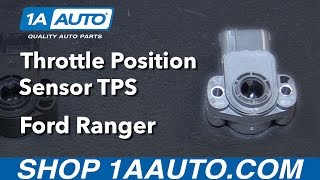
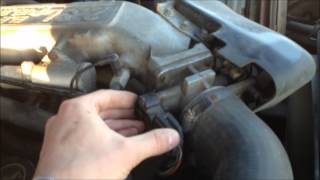
No, this is a very easy DIY job. The sensor is located on the throttle body and is held in place by two small screws (usually Phillips or T20 Torx). The only tools needed are a screwdriver or a small ratchet. The entire process typically takes less than 30 minutes.
🎬 Watch this step-by-step guide to replacing your Ranger's TPS.Do I need to calibrate or reset the new TPS?
The 1995-2002 Ranger's computer automatically learns the new sensor's values. There is no special electronic calibration tool needed. For best results, after installing the new sensor, disconnect the negative battery terminal for about 5-10 minutes. This clears the computer's memory (KAM). Reconnect the battery, start the truck, and let it idle for several minutes to relearn the new idle values before driving.
Can I just clean my old TPS?
No. The TPS is a sealed electronic component. The failure happens inside the unit where electrical contacts wear out. Cleaning the outside will not fix a faulty sensor. If the sensor is bad, it must be replaced.
Will a bad TPS cause a no-start condition?
It's possible, but less common. A severely faulty TPS can send a signal to the computer that makes starting difficult or impossible, sometimes associated with a P0122 code. 🎬 Vea cómo solucionar el código P0122 en su Ford Ranger. However, it's more likely to cause poor running conditions than a complete no-start.
Helpful Videos
Technical Specifications
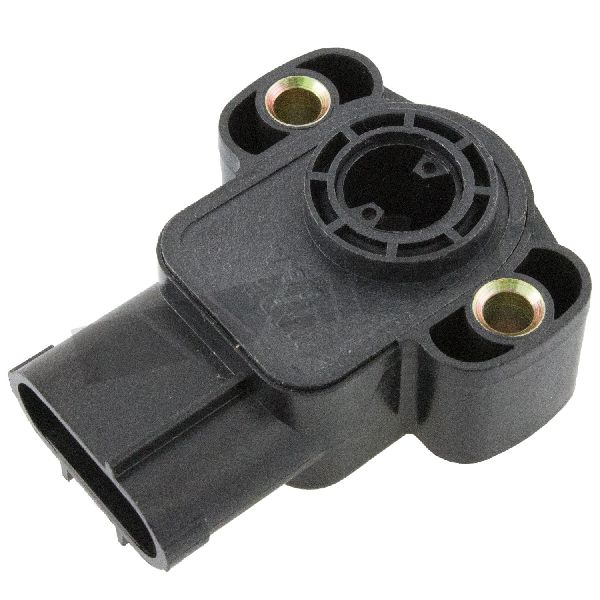
OEM Part Numbers: F4SZ-9B989-A F5DZ-9B989-A F5RZ-9B989-B F48F9B989AA
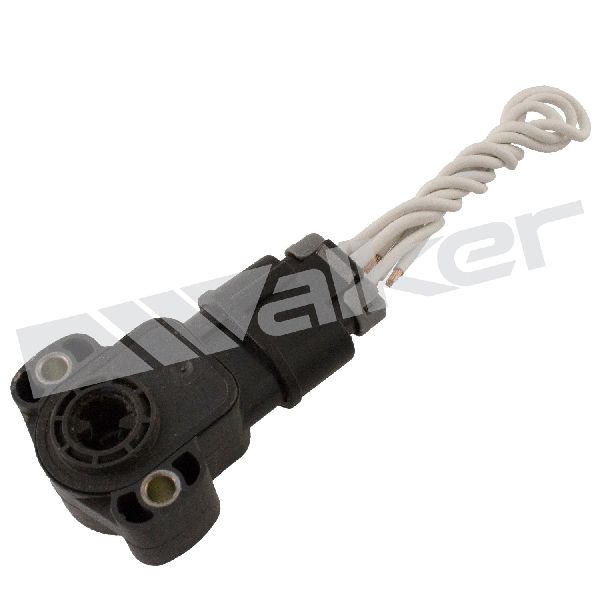
3-pin electrical connector, bolt-on sensor mounted to the side of the throttle body. Part numbers vary significantly by engine size (2.3L, 2.5L, 3.0L, 4.0L) and year.
We Have This Part in Stock


The information in this article is provided for general reference and educational purposes only. Vehicle specifications, procedures, and part compatibility can vary by production date, trim level, and region. Always consult your vehicle's factory service manual and verify part numbers before purchasing or performing repairs. Safety-critical components such as airbags, seat belts, and braking systems should be installed by a qualified professional.
- Ford Ranger:
- 🎬 Helpful Videos
- 🛍️ Shop This Part
- Understanding Throttle Position Sensor Failure on Your Ranger
- Symptoms of a Failing Ford Ranger TPS
- Known Issue: TPS Wiring Harness
- Choosing the Right Aftermarket TPS: Brand Quality Matters
- Cost to Replace a 1995-2002 Ford Ranger TPS
- Frequently Asked Questions (FAQ)
- 🎟️ Get 5% Off